
Stem cell model tracks NF1 tumors as they become malignant
Researchers say a lab-grown model of NF1 tumor progression points to a possible drug combination for an aggressive nerve cancer.
By Priya Raghavan · Science Reporter
3 min read
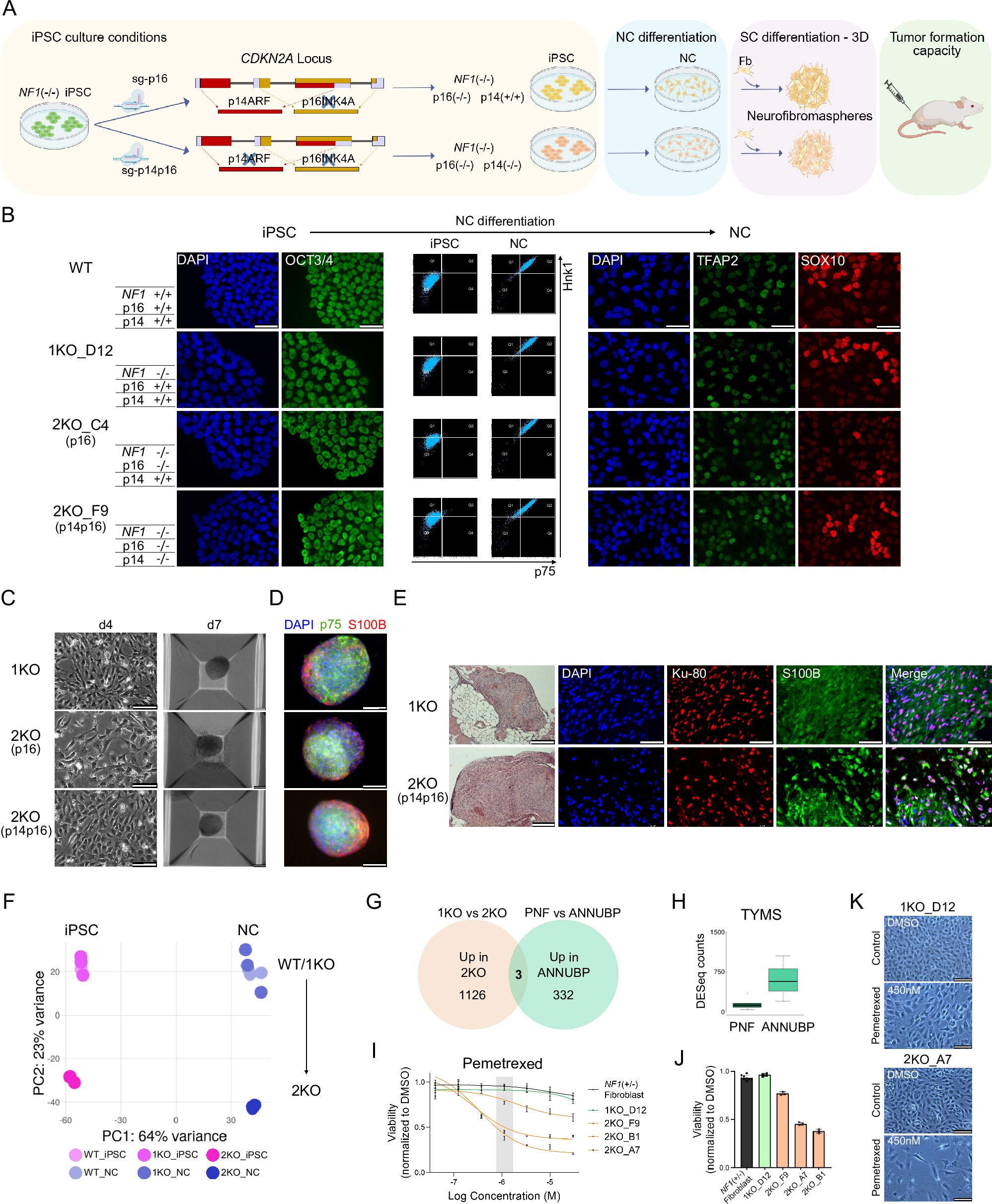
Researchers at the Germans Trias i Pujol Research Institute say they have built a stem cell-based model that recreates how tumors linked to neurofibromatosis type 1 can move from benign growths to aggressive cancer. The work matters because malignant peripheral nerve sheath tumors have few effective treatment options, according to the research team.
The study, published in Nature Communications, used induced pluripotent stem cells, or iPSCs, to model tumor progression tied to neurofibromatosis type 1. IGTP said the system also pointed to a possible treatment approach using olaparib together with selumetinib.
The project was led by IGTP’s Hereditary Cancer and Translational Cancer Genomics and Bioinformatics groups. IGTP said researchers from the Catalan Institute of Oncology, the Bellvitge Biomedical Research Institute and the U.S. National Institutes of Health’s National Center for Advancing Translational Sciences also took part.
Modeling a hard-to-study cancer
Neurofibromatosis type 1 is a genetic condition that raises the risk of tumors in the peripheral nervous system, according to IGTP. Most of those tumors are benign, but some can develop into malignant peripheral nerve sheath tumors, a sarcoma that IGTP described as highly aggressive.
To study that shift, the researchers genetically altered iPSCs so they could reproduce, step by step, molecular changes associated with NF1 tumor development. IGTP said the resulting cells moved through stages resembling benign neurofibromas and then more advanced states consistent with malignant tumors.
Eduard Serra, an IGTP researcher and co-senior author, said the model allowed the team to reproduce NF1 tumor progression in the laboratory with a high level of precision. Meritxell Carrió, the other co-senior author, said the platform gives researchers a way to study the mechanisms behind malignant transformation and test possible therapies.
PRC2 loss emerges as a key change
The study found that loss of the PRC2 complex played a central role in the transition toward malignancy, according to IGTP. PRC2 is involved in epigenetic regulation, a system that helps control gene activity without changing the underlying DNA sequence.
IGTP said the PRC2 alteration caused broad changes in genetic activity across the cells. The researchers reported that those changes helped the cells acquire traits associated with malignant tumors.
The team then used the model to screen hundreds of compounds with potential therapeutic value. IGTP said tumors with PRC2 alterations showed particular sensitivity to PARP inhibitors, a class of drugs already used in some other cancers, including certain breast cancers.
In preclinical models, the combination of the PARP inhibitor olaparib and the MEK inhibitor selumetinib reduced tumor growth, according to IGTP. The report did not describe the approach as ready for routine patient use.
Itziar Uriarte, the study’s first author, said the model helped identify weaknesses in NF1-related malignant tumors that could be targeted therapeutically. Serra said the olaparib-selumetinib results open research paths for tumors with limited treatment options.
According to the researchers, the platform may help investigators study malignant peripheral nerve sheath tumor biology and speed the search for candidate treatments. The publication is titled “Induced pluripotent stem cell-derived models of malignant nerve sheath tumor progression mimic glial to neuro-mesenchymal transition and uncover therapeutic opportunities.”
This story draws on original reporting from Medical Xpress.