
SI Swimsuit models push back on body criticism after runway show
Remi Bader, Ilona Maher and Bethenny Frankel addressed online comments as experts warned that body ideals keep shifting online.
By Priya Raghavan · Science Reporter
3 min read
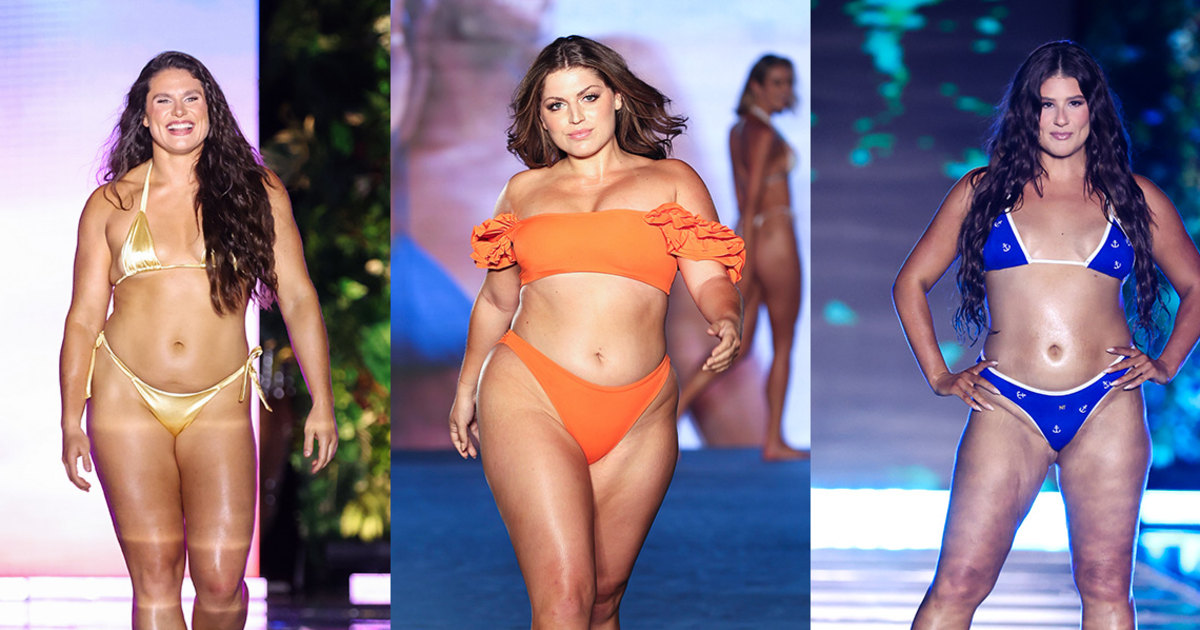
Several women tied to Sports Illustrated’s Swimsuit Runway Show pushed back after social media users criticized their bodies and runway looks, NBC News reported. Their responses show how an event promoted around size, age and racial inclusion still drew appearance-based attacks.
Sports Illustrated’s swimsuit showcase has sought since 2021 to feature “women of all sizes, ages and races,” according to Authentic Brands Group, which owns Sports Illustrated. This year’s show was scheduled to stream Tuesday on Hulu and Disney+, according to NBC News.
Influencer Remi Bader said in an Instagram video that criticism of her Sports Illustrated runway look had made her wary of discussing her body, weight loss surgery or health. “At this point, I can’t win,” Bader said.
Olympian Ilona Maher also responded on social media after commenters described her runway outfit as unflattering, NBC News reported. Maher asked whether viewers were reacting to the styling or to “a bigger body existing in a suit,” and added: “If you got a body, you got a bikini body.”
Bethenny Frankel, known for “The Real Housewives of New York,” addressed comments about her appearance after walking in the show. In an Instagram video, Frankel said the internet had focused on her age, weight, face and hair, according to NBC News.
Frankel later said on TikTok that viewers also made her age a focus when she appeared in the show last year. “People are allowed to be happy,” she said, while criticizing the public’s shifting demands around body inclusion and thinness.
Experts point to shifting body ideals
Jennifer Harriger, a Pepperdine University psychology professor who studies body image and social media, told NBC News that the public often replaces one narrow standard with another. Harriger said earlier social media content such as #thinspiration and pro-anorexia posts has evolved into newer formats such as #SkinnyTok.
TikTok banned the #SkinnyTok hashtag last year, according to NBC News, but Harriger said similar content continues to circulate online. She said social media algorithms can keep feeding users messages about unrealistic bodies when they engage with that material.
NBC News linked the renewed discussion to broader cultural changes, including a reported move away from the 2010s body-positivity movement, reduced size inclusion on runways and increased use of GLP-1 drugs. A KFF poll cited by NBC News found that GLP-1 medications are being used for weight loss, diabetes and other conditions, while many users say the drugs are difficult to afford.
Chanel Kenner, a registered dietitian who has worked with people with eating disorders, told NBC News that GLP-1 drugs themselves are not the central issue. Kenner said the marketing around them is widespread and can reinforce the belief that thinness will improve people’s lives.
Mikala Jamison, who writes the Body Type newsletter on Substack, told NBC News that online feeds can make people feel surrounded by pressure to be thin. Jamison urged people to follow a wider range of accounts and pay attention to the variety of bodies they see offline.
Harriger told NBC News that media literacy can help users identify harmful body-related messages and judge online content more carefully. Curve model Ella Halikas, who has walked the Sports Illustrated runway before, said she remains focused on confidence but is frustrated that one body type still gets treated as the standard.
This story draws on original reporting from NBC News.