
Severe Covid-19 study links immune differences to metabolism
Karolinska Institutet researchers found severe Covid-19 can follow different immune-metabolic patterns, complicating treatment decisions.
By Tom Brennan · Health & Medicine Correspondent
3 min read
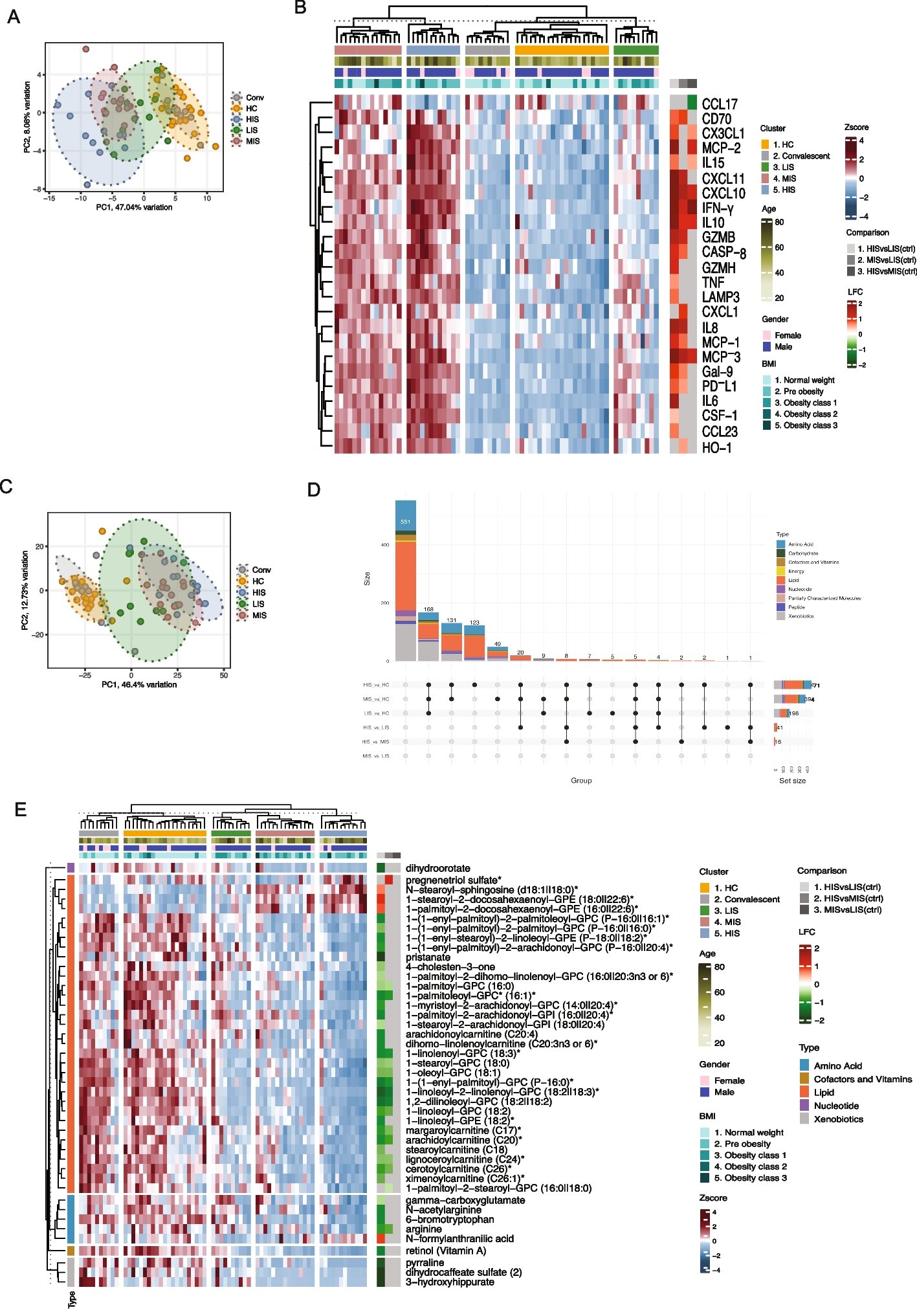
Researchers at Karolinska Institutet found that hospitalized Covid-19 patients showed different antiviral immune patterns, and that severe disease was linked to more than the strength of the antiviral response. The findings, published in Genome Medicine, may help point toward more tailored treatment approaches, the institute said.
The study focused on interferons, proteins that help the body respond to viral infections by switching on interferon-stimulated genes, or ISGs. According to Karolinska Institutet, researchers used blood samples from hospitalized Covid-19 patients to sort patients into groups based on the activity of those genes.
The team reported that stronger ISG activity did not line up neatly with worse illness. Some patients with severe Covid-19 had low ISG expression, while others had high expression, according to the study.
“A strong interferon-stimulated gene signature does not necessarily mean that the immune response is protective. Our results show that disease severity also depends on inflammation, metabolism and how well innate immune cells function,” Soham Gupta, associate professor at Karolinska Institutet’s Department of Laboratory Medicine, said in the institute’s announcement.
Karolinska Institutet said patients with high ISG expression often also had signs of inflammation and changes in innate immune cells, including neutrophils and monocytes. Those cells are part of the body’s early immune defense, and the study tied their altered function to the broader immune differences seen across patient groups.
Among patients who had both severe disease and high ISG expression, the researchers reported further metabolic disruption. The changes were especially apparent in lipid metabolism and energy pathways, which are involved in how the body breaks down and uses fats and energy, according to the institute.
The researchers also tested plasma from patients and found that it could dampen activation of certain immune cells, Karolinska Institutet said. The institute said that result suggests immune function may be impaired in some severe cases even when inflammation and a strong antiviral gene signature are present.
The work used blood and plasma samples from Covid-19 patients in Stockholm, along with comparisons to healthy people and people recovering from infection, according to Karolinska Institutet. The team applied RNA sequencing, proteomics and metabolomics, and also examined antibody reactivity against interferons.
According to the study, antibody reactivity against interferons did not account for the differences among patient groups. Gupta said the results indicate that severe Covid-19 “is not a single biological state, but may arise through several different mechanisms.”
Karolinska Institutet said the findings could support future treatment strategies that separate patients by immune and metabolic features rather than treating severe Covid-19 as one uniform condition. The researchers plan to study whether the immune-metabolic patterns identified in the work are connected to longer-term outcomes after infection.
The study was led by the Systems Virology Laboratory at the Division of Clinical Microbiology in Karolinska Institutet’s Department of Laboratory Medicine, the institute said. Collaborators included researchers from Karolinska Institutet, Uppsala University, SciLifeLab and Södersjukhuset/Karolinska University Hospital Huddinge.
This story draws on original reporting from Medical Xpress.