
Sedentary middle-aged men show weaker muscle energy systems in study
CU Anschutz researchers found lower mitochondrial performance in healthy inactive men, a change they say may appear before chronic disease.
By Tom Brennan · Health & Medicine Correspondent
3 min read
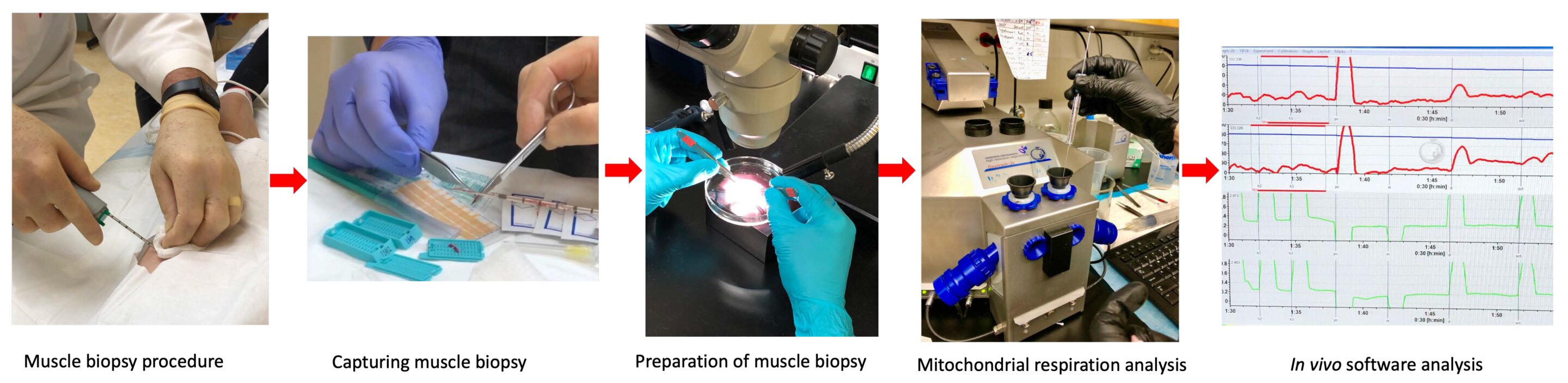
Healthy men who did not meet exercise guidelines showed early problems in how their muscle cells produced energy, according to researchers at the University of Colorado Anschutz Medical Campus. The findings matter because the team says these cellular changes may come before diseases such as diabetes, cancer and Alzheimer’s.
The study, published in Clinical Bioenergetics, compared nine sedentary men with 10 men who exercised regularly. The participants were about 42 years old, and the researchers said a companion study in women is being planned.
Researchers studied muscle biopsies and ran exercise tests to assess fitness, fat use and blood lactate, a marker tied to how hard the body is working to produce energy. CU Anschutz said the sedentary group exercised less than the recommended 150 minutes a week.
The main focus was mitochondria, the cell structures that convert fuels into usable energy. Iñigo San Millan, the study’s senior author and an adjoint assistant professor in endocrinology, metabolism and diabetes at CU Anschutz, said mitochondrial performance sits at the center of metabolic health.
“If you are 40, healthy, and sedentary, it is likely that you already have something going on inside your cells that will likely come back to haunt you in 10 or 15 years,” San Millan said.
Lower fuel use inside muscle cells
Compared with the active men, the sedentary participants had poorer mitochondrial performance across several measures, according to the study. CU Anschutz said mitochondrial efficiency was 28% to 36% lower in several categories.
The researchers also reported differences in proteins and enzymes that help move fuel into mitochondria. MPC1, a protein that carries a product of sugar breakdown into mitochondria, was 49% lower in sedentary muscle, according to the study. CPT1, an enzyme involved in moving fats into mitochondria, was about half as active.
Those changes suggest that inactive muscle had less capacity to use both sugar and fat, the researchers said. San Millan said the decline in MPC1 could be an early sign of cellular congestion that may later contribute to insulin resistance and type 2 diabetes.
The exercise testing showed broader differences between the two groups. CU Anschutz said the sedentary men had 38% lower maximal oxygen use, known as VO2max, and built up 60% more lactate in their blood during exertion than the active men.
Researchers eye testing and intervention
San Millan, a physiologist also known for work in elite sports performance, including with Tour de France champion Tadej Pogačar, said regular exercise helps mitochondria switch between burning fats and carbohydrates. Researchers call that ability metabolic flexibility.
“Being sedentary will progressively erode metabolic health. When you stop moving, you lose that cellular identity of being healthy, and your body begins moving toward disease,” San Millan said.
The CU Anschutz team said larger and more diverse trials are needed. The researchers also want to test whether training programs or drug approaches can restore MPC1 and CPT1 activity.
San Millan said the decline identified in the study could be measured without a biopsy through cardiopulmonary exercise testing and lactate testing. He said early detection could allow targeted exercise programs aimed at improving mitochondrial health and possibly reducing later disease risk.
This story draws on original reporting from Medical Xpress.