
Resistance training muscle repair study identifies protein network
Researchers say high-intensity lifting activates proteins that clear damaged muscle parts and rebuild contractile machinery.
By Priya Raghavan · Science Reporter
3 min read
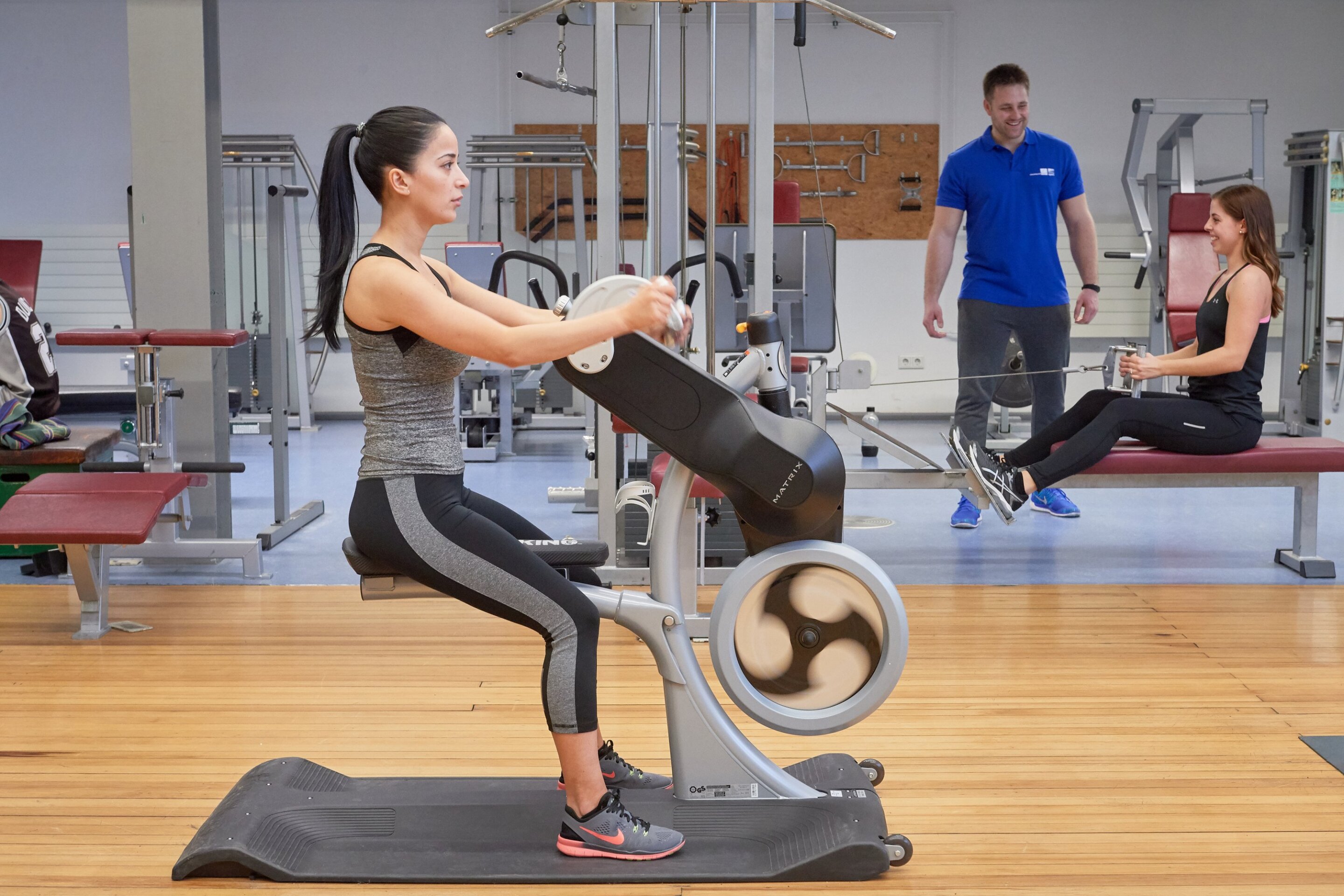
A new study on resistance training muscle repair has identified proteins that help human skeletal muscle clear damaged structures and rebuild after high-intensity exercise. The findings could inform training plans for athletes, rehabilitation programs and efforts to limit muscle loss with aging, according to Universität Hildesheim.
The research was conducted by teams at the Universities of Hildesheim, Bonn and Freiburg and published in Nature Communications. The paper examines how skeletal muscle responds at the molecular level after resistance exercise, a form of training that places high mechanical load on muscle fibers.
Regular exercise supports healthy aging, but Universität Hildesheim said endurance work alone does not preserve muscle mass as well as resistance exercise. The World Health Organization recommends moderate muscle-strengthening activity at least twice a week, including for older adults, to help reduce loss of strength.
How does resistance training repair muscle?
According to the study, intense resistance exercise produces small injuries in the contractile apparatus, the part of muscle fibers that generates force. The researchers found that muscle responds by recruiting a repair network that detects damaged components, removes them and supports the production of replacement contractile proteins.
The removal step involves autophagy, a cellular process that breaks down and recycles unwanted or damaged material. In this context, the researchers said autophagy helps clear injured muscle structures so repair and adaptation can proceed.
To study the process, the team collected muscle biopsies from healthy volunteers before and after a bout of high-intensity resistance exercise. The researchers also examined what happened after a longer period of reduced training and after stopping resistance training entirely.
Using proteomics, a method for measuring many proteins at once, the scientists tracked changes in the muscle’s contractile machinery. Universität Hildesheim said the work revealed previously unknown parts of the repair network and showed how resistance training regulates them.
What the researchers found
Pitter Huesgen, a proteomics researcher at the University of Freiburg, said the team’s analytical methods showed which proteins move to the contractile apparatus after resistance exercise and take on protective and repair roles. The University of Bonn group led by Jörg Höhfeld then tested the function of those proteins in cultured muscle cells.
According to Höhfeld, the cell experiments showed that the proteins first identify damaged muscle structures and then remove them through autophagy. That process makes room for muscle repair and adaptation after resistance training, he said.
Sebastian Gehlert’s team at the University of Hildesheim collected the human muscle samples and carried out the first analyses of exercise-related damage. Gehlert said the findings show that training intensity and training history affect both muscle damage and activation of the repair system.
Gehlert said the results may help refine the order and timing of training sessions for athletes and guide rehabilitation programs in clinical settings. Universität Hildesheim said he is already applying the findings in education for exercise scientists and in evidence-based training strategies for elite athletes at Germany’s Olympic Training Centers, as well as for police and armed forces members.
The study, by Maithreyan Kuppusamy and colleagues, is titled “Fractionated proteomics identifies a protein network mitigating resistance exercise-induced damage in human skeletal muscle.” It was published in 2026 in Nature Communications.
This story draws on original reporting from Medical Xpress.