
Rare Lyme bacterium detected in New York for the first time
A CDC report identified Borrelia mayonii in a Herkimer County resident and nearby ticks, but broader testing found no wider spread.
By Priya Raghavan · Science Reporter
4 min read
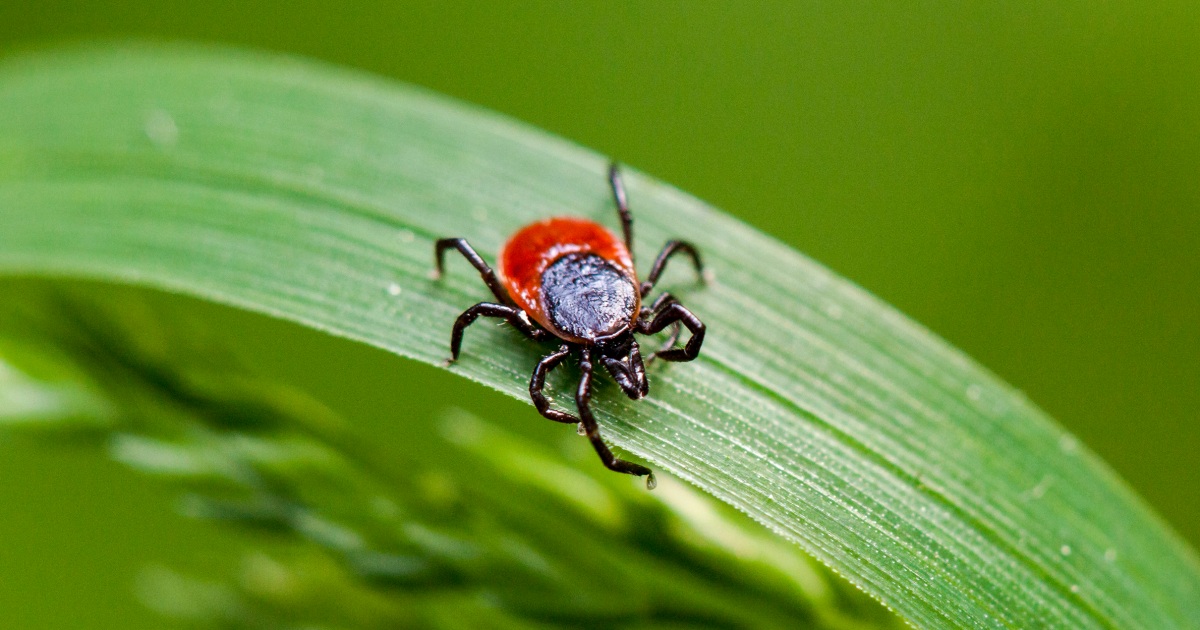
New York has reported its first known Lyme disease case caused by Borrelia mayonii, a rare bacterium previously detected in the United States only in Minnesota and Wisconsin. The finding matters because it adds another tick-borne Lyme pathogen to a state where reported Lyme disease rates have climbed sharply, according to state health data.
The case was described in a Centers for Disease Control and Prevention report published Thursday. According to the CDC, the infection was found last July in an adult in Herkimer County, an upstate county that runs from the Utica area into the Adirondacks.
The CDC report said the person had not recently traveled. The New York State Health Department later tested ticks from the person’s wooded property and found several carrying B. mayonii, according to the report.
State investigators did not find the bacterium in a broader survey, according to the CDC. More than 1,500 ticks collected from 24 New York counties were tested, and none were positive for B. mayonii outside the initial property.
The New York State Health Department said the discovery was unexpected but consistent with the way tick-borne diseases can shift over time. “While this finding was unexpected, we do know that a range of ticks and tick-borne disease can change geographically over time,” a department spokesperson said by email.
What makes this Lyme bacterium different
Most U.S. Lyme disease cases are caused by Borrelia burgdorferi, according to the CDC report. B. mayonii, also spread by deer ticks, was identified by Mayo Clinic researchers in 2016, years after B. burgdorferi was recognized.
Douglas Norris, a professor of molecular microbiology and immunology at the Johns Hopkins Bloomberg School of Public Health, said the bacterium has probably been present in New York ticks for a few years but appears limited to a small area. Norris said experts do not know how it reached Herkimer County.
Dr. Bobbi Pritt, a Mayo Clinic pathologist who helped discover B. mayonii, said infections with the rare bacterium can look different from more common Lyme cases. According to Pritt and Norris, both forms can start with fever and headache, while B. mayonii infections may be more likely to involve nausea, vomiting, broader rashes and neurological symptoms.
The state health department did not release the symptoms of the New York patient, according to the report. Norris said some patients with B. mayonii may not develop the familiar bullseye rash associated with Lyme disease and instead may have a more widespread rash.
Lyme disease remains dominated by the common strain
New York’s Lyme disease rate rose from about 37 cases per 100,000 people in 2020 to nearly 165 cases per 100,000 in 2024, according to state Health Department statistics. Pritt said more B. mayonii cases may be found in the Northeast, but she expects them to remain uncommon.
The Minnesota Health Department says B. mayonii accounts for about two of nearly 3,000 Lyme disease cases detected in that state each year. In New York testing cited by the CDC, 0.2% of nymph ticks and about 1% of adult ticks carried B. mayonii.
By comparison, research cited in the report found that B. burgdorferi infects about one-quarter of nymphs in the Northeast and about half of adult ticks. Norris said nymphs are often responsible for transmitting Lyme disease because they are about the size of a poppy seed and are harder to spot; ticks generally must stay attached for 24 to 48 hours before passing infectious bacteria.
Norris said climate change is expanding areas suitable for Lyme disease, including farther north into Maine and southern Canada, though he said it is not likely the direct reason B. mayonii appeared in New York. He said one possibility is that an infected tick traveled on a bird from Minnesota or Wisconsin.
Pritt advised people in tick areas to stay near the center of trails, wear long sleeves when possible, tuck pants into socks, use repellents such as 30% DEET or oil of lemon eucalyptus, and check themselves and pets regularly. She said people should protect themselves from tick bites because ticks can carry multiple parasitic and viral diseases.
This story draws on original reporting from NBC News.