
PSMF1 mutations tied to severe neurological disease
A Nature Communications study links mutations affecting the PI31 protein to serious neurological disorders ranging from infancy to adulthood.
By Tom Brennan · Health & Medicine Correspondent
3 min read
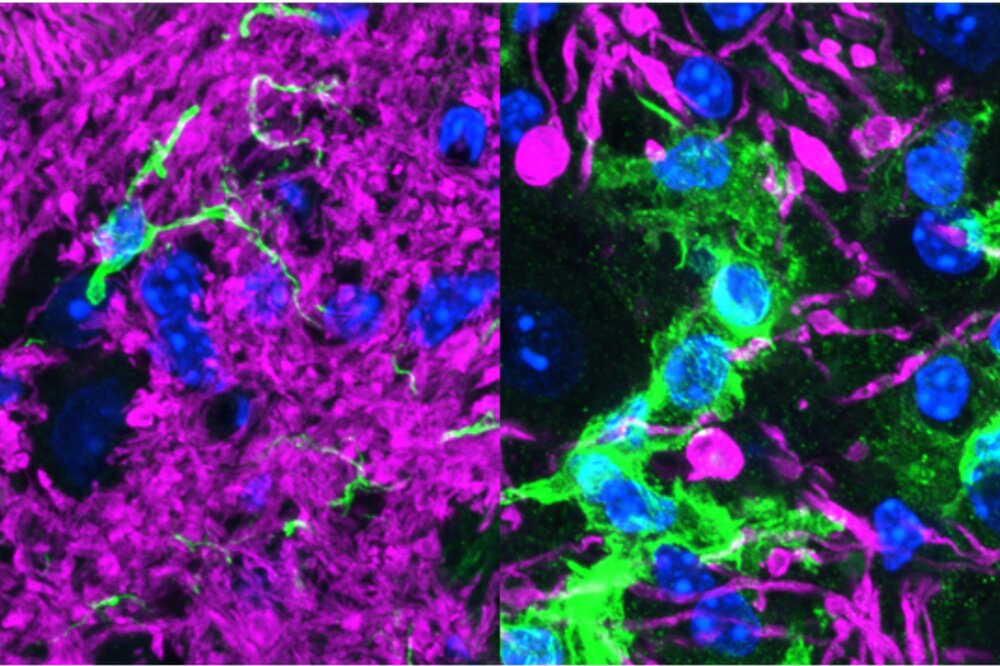
Mutations in PSMF1, a gene involved in moving the cell’s protein-disposal machinery inside neurons, can cause severe neurological disease, according to a study published in Nature Communications. The finding adds clinical evidence to a theory that faulty protein cleanup at synapses may help drive neurodegeneration.
The study was led by researchers at University College London, with work from Hermann Steller’s laboratory at Rockefeller University. According to Rockefeller, the researchers identified PSMF1 mutations that disrupt PI31, the protein made by the gene.
PI31 helps transport proteasomes, the cellular machines that break down unwanted proteins, from the nerve cell body to synapses, according to Steller’s lab. Synapses need local protein production and disposal to keep communication between brain cells working.
When that transport system fails, Rockefeller said, synapses can lose the capacity to clear proteins that should be removed. The result, according to the university’s summary of the research, can include impaired synaptic signaling, protein buildup and damage to neurons.
Genetic findings in 25 people
Francesca Magrinelli of University College London and colleagues studied 25 people from 18 families with varied ethnic backgrounds, according to Rockefeller. The researchers linked PSMF1 variants to a broad set of serious neurological conditions, including disorders that appeared from infancy through adulthood and some that were lethal.
The published paper describes the disease range as extending from parkinsonism to perinatal lethality. The work gives human genetic support to earlier findings from Steller’s group that PI31 and proteasome transport are central to neuron health.
Steller’s lab has studied PI31 for about 15 years, Rockefeller said. The lab previously reported that PI31 increases proteasome activity and helps control where proteasomes are distributed in different parts of nerve cells.
In 2019, Steller’s team found that removing PSMF1 caused synapse problems and neurodegeneration, according to Rockefeller. In 2025, the group reported that raising PI31 levels in animal models could protect neurons and restore synaptic function.
Animal models show damage after PI31 loss
As part of the new study, Jose Rodriguez, a postdoctoral associate in Steller’s lab, examined the effects of the identified mutations in animal models, Rockefeller said. PI31 deficiency produced movement and behavioral problems, followed by neurodegeneration.
The findings also sharpen a debate about protein aggregates in disorders such as Alzheimer’s and Parkinson’s. Rockefeller noted that clumps including tau tangles, beta-amyloid plaques and Lewy bodies have been known for more than a century, while treatments aimed at those aggregates have had limited success in slowing disease.
Steller said, according to Rockefeller, that the new study provides direct evidence that the PI31 proteasome-transport mechanism is clinically relevant. He has argued that protein aggregates may be downstream effects of disease rather than the initial cause.
That view points toward therapies aimed at increasing proteasome activity at synapses, Rockefeller said. Steller said the goal would be to clear unwanted proteins before plaques form and to help preserve brain function in aging and disease.
The study, “Variants in the proteasome regulator PSMF1 cause a phenotypic spectrum from parkinsonism to perinatal lethality,” was published in Nature Communications. Its DOI is 10.1038/s41467-026-71351-w.
This story draws on original reporting from Medical Xpress.