
Protein-folding pathway may help protect insulin-producing cells
A PNAS study points to a cellular support system that helps beta cells fold proinsulin, a step researchers say could shape future diabetes treatments.
By Tom Brennan · Health & Medicine Correspondent
3 min read
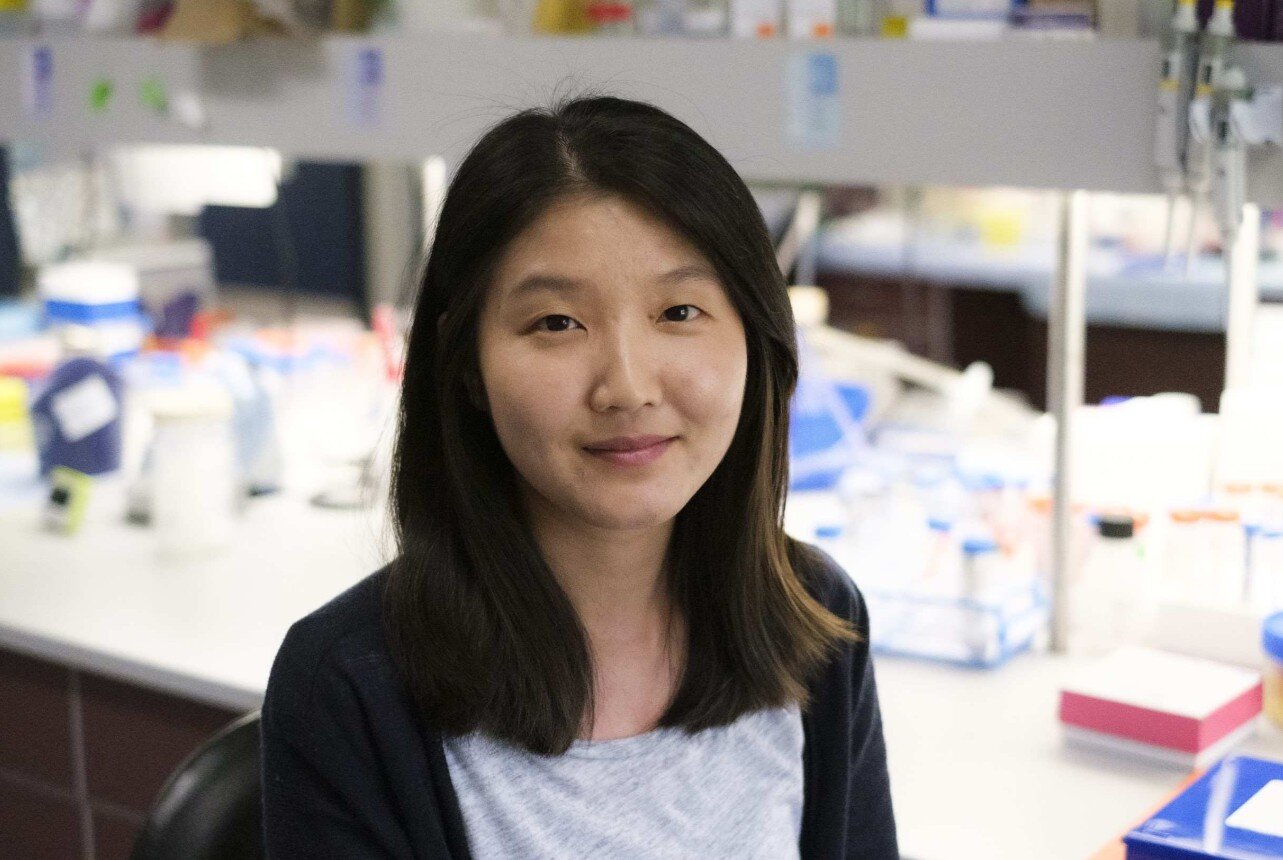
Researchers have identified a protein-folding partnership that may help pancreatic beta cells keep producing insulin as diabetes develops. The findings matter because beta cell failure is a central problem in diabetes, and the team says current treatments do not preserve these cells by correcting faulty proinsulin folding.
Scientists at Sanford Burnham Prebys Medical Discovery Institute and the University of Michigan reported the work in the Proceedings of the National Academy of Sciences. According to the study, beta cells rely on a coordinated system of chaperone and co-chaperone proteins to fold proinsulin, the precursor molecule needed to make insulin.
Beta cells monitor blood sugar and release insulin when glucose levels rise, according to the researchers. As diabetes advances, those cells can come under stress and lose the ability to meet the body's need for insulin.
The study focused on what happens when proinsulin fails to fold into the right shape. The research team said earlier work had linked misfolded proinsulin to stress in beta cells, but the proteins that helped control that process and clear errors were not fully defined.
Randal J. Kaufman, a professor in the Center for Metabolic and Liver Diseases at Sanford Burnham Prebys and senior corresponding author of the study, said the group examined how binding immunoglobulin protein, known as BiP, works with partner proteins to support proinsulin folding and remove defective forms.
How the team tracked the folding machinery
To study BiP in beta cells, the researchers genetically engineered mice so the protein carried a molecular tag. According to the team, the tag allowed scientists to detect and isolate BiP during experiments and examine how it interacted with other proteins.
The researchers found that one BiP partner, p58IPK, had a key role in keeping proinsulin folding on track. In two cell lines, removing p58IPK caused misfolded proinsulin to build up, according to the study.
The team then studied mice that had been altered so they did not produce p58IPK. In those animals, beta cells made lower amounts of proinsulin and insulin, the researchers reported.
When the scientists restored p58IPK in one of the altered cell lines, the cells became better at folding proinsulin and moving it through the cell, according to the study. The added p58IPK also reduced the accumulation of misfolded proinsulin, but the researchers said those benefits required BiP to be present.
The team also tested whether higher levels of BiP could compensate for missing p58IPK. According to the study, excess BiP produced only limited improvement when p58IPK was absent, while normal expression of both proteins produced stronger gains in folding and trafficking.
Possible direction for diabetes research
Insook Jang, a staff scientist in Kaufman's laboratory and lead author of the paper, said the results show BiP cannot maintain proper proinsulin folding by itself. The researchers also identified additional partner proteins involved in moving proinsulin and checking misfolded copies, but said more work is needed to define their roles.
Kaufman said the findings link proinsulin folding to cellular stresses associated with beta cell failure in type 2 diabetes. He said most current medicines address blood sugar by helping tissues take up more glucose or by increasing insulin secretion, rather than by supporting proinsulin folding inside beta cells.
The study does not report a new diabetes drug. The researchers said that learning how to influence BiP and its partner proteins could point to early treatment strategies aimed at reducing damage to insulin-producing cells.
The paper, titled “Coordinated expression and assembly of BiP, p58IPK, and ER chaperone complexes maximize proinsulin folding in pancreatic β cells,” was published in PNAS.
This story draws on original reporting from Medical Xpress.