
Piezo1 helps set myelin sheath length, Upstate study finds
Upstate researchers report that oligodendrocytes use Piezo1 to gauge axon size as they set myelin-segment length.
By Priya Raghavan · Science Reporter
2 min read
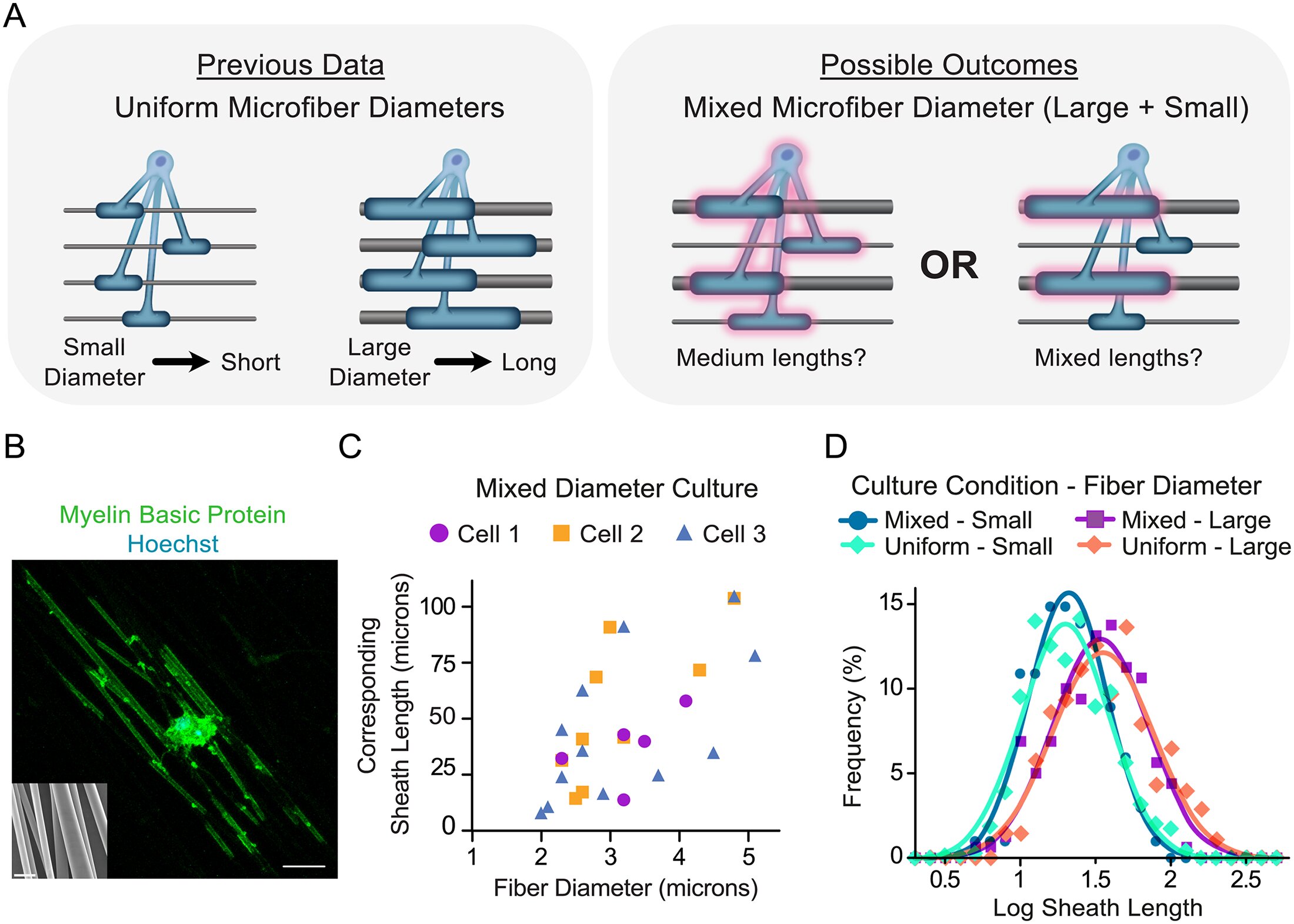
An Upstate Medical University-led study has identified Piezo1 as part of the system that sets myelin sheath length in the brain and spinal cord. The Piezo1 myelin sheath length finding helps explain how cells making the protective coating match each segment to the diameter of the nerve fiber it covers, according to an Upstate report carried by MedicalXpress.
The research was published in PLOS Biology, the report said. It addresses a longstanding observation that thicker axons tend to have longer myelin segments, while leaving open the broader question of what other signals may also control the process.
How does Piezo1 affect myelin sheath length?
Myelin is a protective coating around many axons, the fibers that carry signals between nerve cells. In the central nervous system—the brain and spinal cord—specialized cells called oligodendrocytes produce the coating, the Upstate report said.
The researchers reported that oligodendrocytes use the Piezo1 protein to detect the diameter of an axon as they wrap it. That size information then helps determine the length of the myelin sheath segment made around that axon.
The reported role was most apparent early in myelin formation, when oligodendrocytes are constructing and extending new sheaths. The study therefore describes a mechanism for organizing myelin during formation rather than a demonstrated way to repair damaged myelin.
Why does myelin-segment length matter?
Myelin segments differ in length across the nervous system, and their length influences how quickly nerve signals travel, according to Upstate. By linking axon diameter to the length of its insulating segment, the mechanism may help the nervous system establish precise patterns along its wiring.
The finding concerns myelin made by oligodendrocytes in the central nervous system. Myelin elsewhere in the body is made by Schwann cells, an important distinction because the two cell types operate in different parts of the nervous system, according to Oregon Health & Science University.
Does the Piezo1 finding lead to a treatment?
No treatment or clinical benefit was reported. Upstate said the work could provide a basis for future research into disorders involving myelin and nerve function, including conditions in which myelin is damaged or lost.
That is a research direction, not evidence that altering Piezo1 can restore myelin or improve symptoms in people. The result instead adds a molecular step to scientists' understanding of how healthy myelin sheaths are sized as they form.
This story draws on original reporting from Medical Xpress.