
Oral semaglutide alcohol use trial finds fewer heavy drinking days
A small CU Anschutz-led trial found oral semaglutide reduced heavy drinking measures in adults with alcohol use disorder.
By Priya Raghavan · Science Reporter
3 min read
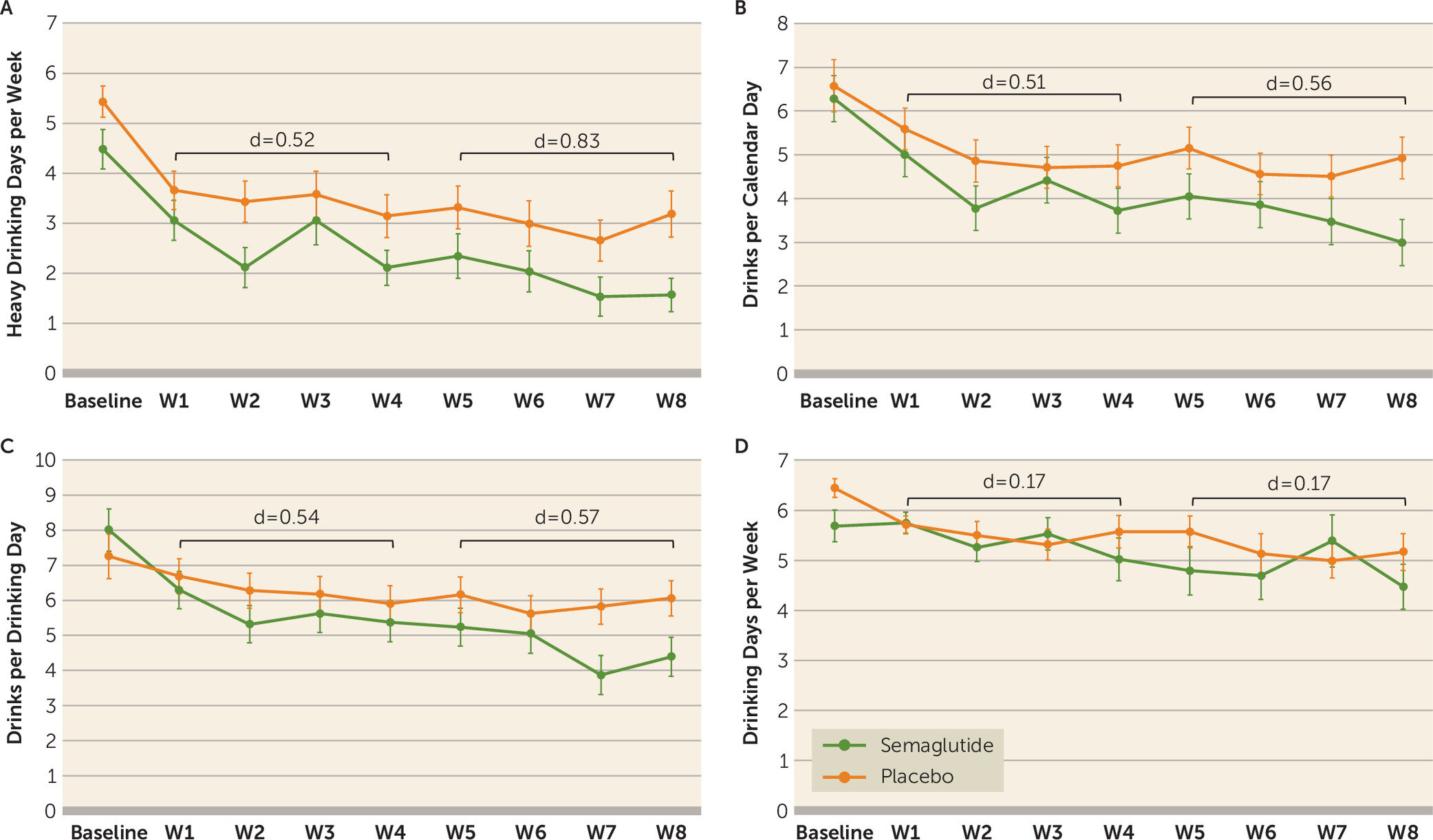
Oral semaglutide alcohol use findings from a small clinical trial suggest the diabetes and weight-loss drug may reduce harmful drinking in adults with alcohol use disorder. Researchers led by the University of Colorado Anschutz Medical Campus reported fewer heavy drinking days and lower alcohol intake among participants who received the pill form of semaglutide.
The randomized, double-blind, placebo-controlled trial enrolled 50 adults seeking treatment for moderate-to-severe alcohol use disorder, according to findings published in the American Journal of Psychiatry. The study ran for eight weeks and tested oral semaglutide rather than the injectable versions previously examined in alcohol-related research.
Joseph Schacht, an associate professor at the CU Anschutz School of Medicine, said the results suggest oral semaglutide may reduce heavy and harmful drinking even among people who are not trying to stop drinking completely. He said it could become another option for alcohol use disorder, especially for patients who have not benefited from current medications.
Can oral semaglutide reduce alcohol use?
The trial found that participants taking oral semaglutide had fewer heavy drinking days, drank less per drinking occasion, reported lower day-to-day alcohol cravings and had fewer alcohol-related problems, according to CU Anschutz. Researchers also reported improved overall drinking risk levels and fewer cannabis use days in the semaglutide group.
Alcohol use disorder is a chronic medical condition marked by difficulty controlling alcohol use despite harmful consequences. CU Anschutz said the condition affects millions of people and remains hard to treat because medication options are limited.
Schacht said alcohol use disorder can affect physical health, mental health, relationships and safety. He also noted that no new FDA-approved medication for alcohol use disorder has been approved since 2006, which he said makes the search for additional treatments especially important.
What did the trial show?
The study did not show changes across every measure in controlled laboratory settings, CU Anschutz said. Still, the overall results pointed to reductions in harmful drinking outside the lab among participants taking oral semaglutide.
Researchers said the pill form may be more acceptable for some people with alcohol use disorder than injectable formulations. The study also reported high adherence and completion rates, which CU Anschutz said supports the feasibility of studying the treatment in clinical settings.
Semaglutide is already widely used for diabetes and weight loss. The new trial examined whether its oral formulation could affect drinking behavior in people diagnosed with alcohol use disorder, not whether it should replace existing alcohol treatments.
Safety and next steps
CU Anschutz said oral semaglutide was generally well tolerated in the trial, with most side effects described as mild. The researchers said larger and longer studies are needed to confirm the findings and determine the best dosing and treatment strategies for alcohol use disorder.
CU Anschutz and partner institutions plan to conduct larger trials, according to the university. Schacht said that even modest reductions in heavy drinking can bring meaningful improvements for patients and families by reducing alcohol-related health, safety and social harms.
This story draws on original reporting from Medical Xpress.