
Motherhood health effects exceed fatherhood in study
EHU researchers found parenthood was linked to health changes for mothers, including exercise and depressive symptoms, but not for fathers.
By Priya Raghavan · Science Reporter
3 min read
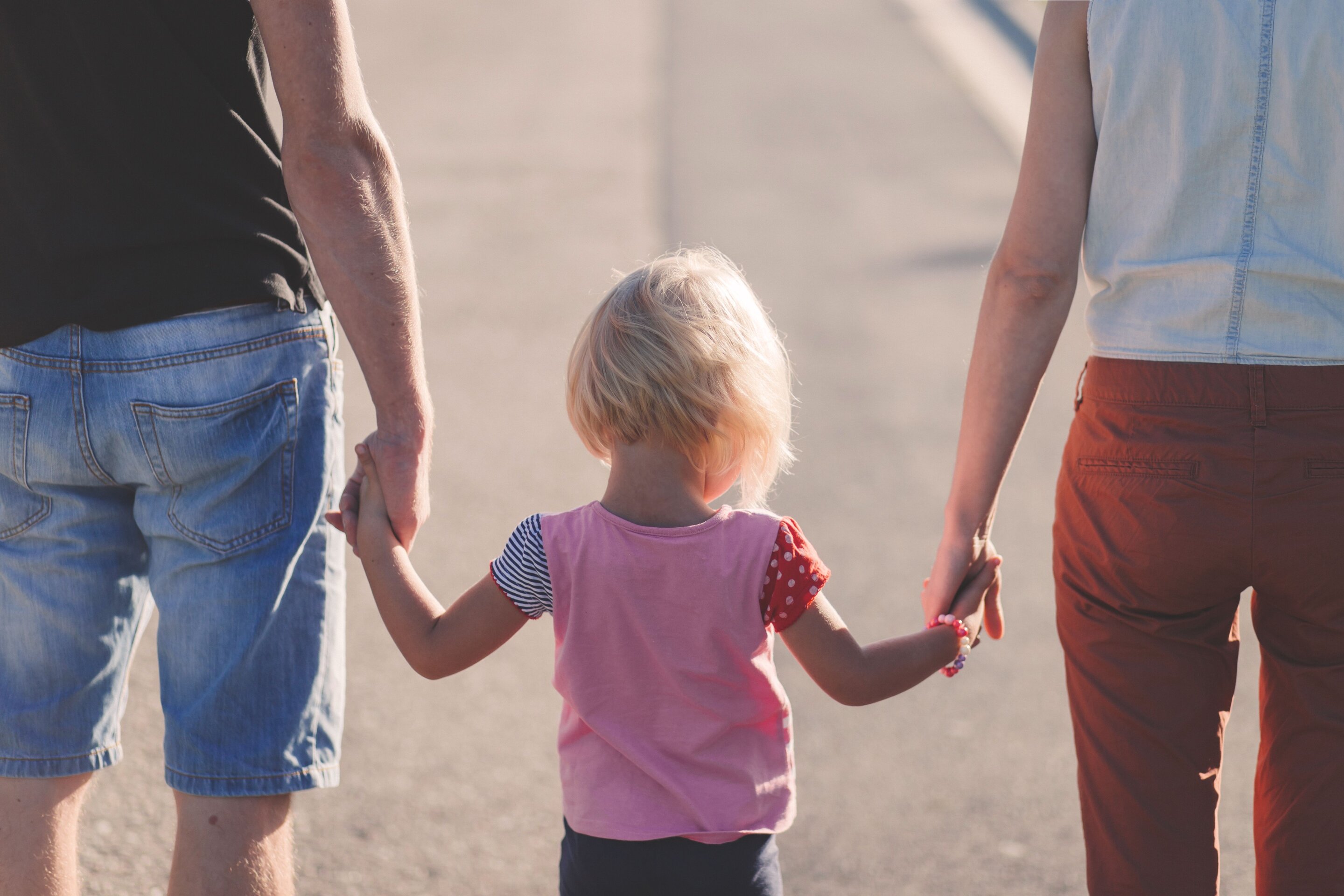
A University of the Basque Country study says motherhood health effects are greater than the health changes associated with fatherhood. The findings point to a gender gap in how parenting is tied to well-being, self-rated health and health habits, according to the EHU research team.
The study was carried out by the OPIK research group and published in the Journal of Family Studies. Researcher Anna Barbuscia said the results show that having children has stronger short- and long-term health consequences for mothers, linked both to pregnancy and birth and to psychological effects.
The researchers examined motherhood and fatherhood alongside several health indicators, including psychological well-being, perceived health, exercise, alcohol use and smoking. They also looked at whether children’s number and age were connected with those measures.
How does motherhood affect health compared with fatherhood?
According to Barbuscia, the study found little change in the measured health indicators among men, whether or not they were fathers. Family characteristics also did not meaningfully alter the indicators for men, she said.
For women, the pattern differed. The EHU team reported that both the number of children and the children’s ages were associated with health differences among mothers.
Mothers with one child and mothers with adolescent children showed more depressive symptoms, according to the study. Women living with two or more young children reported better perceived health, the researchers found.
Barbuscia said caring for younger children often involves more physical effort, which can bring fatigue and worse sleep. She also noted that adolescence has commonly been viewed as a stressful period for parents.
Exercise gap widens for mothers
The study also found a marked difference in physical activity. According to the researchers, women generally reported less regular exercise than men, and the gap grew when women had children.
Barbuscia said 16% of mothers with young children reported doing regular exercise, compared with 30% of women without children. Among men, the study found little difference between fathers and men without children.
The EHU researcher said the finding suggests that motherhood cuts into the time women can spend on their own care. The study frames physical activity as one health-related habit affected by that loss of time.
What do the researchers say should change?
Barbuscia said the findings should inform family policy and health care planning. In her view, policies that help people combine work and family life should also protect mothers’ time for their own health and well-being.
The study also points to shared parenting as a health issue. Barbuscia said a more equal division of child-rearing responsibilities between mothers and fathers could help reduce the inequalities observed by the research team.
According to the University of the Basque Country, the broader conclusion is that parenting does not affect mothers and fathers in the same way. The researchers argue that supporting healthy families requires attention to the unequal health burden that child-rearing can place on women.
This story draws on original reporting from Medical Xpress.