
Lung immune patterns may flag who is at risk of active TB
Researchers found early airway immune differences that may help predict which infected people develop active tuberculosis.
By Tom Brennan · Health & Medicine Correspondent
3 min read
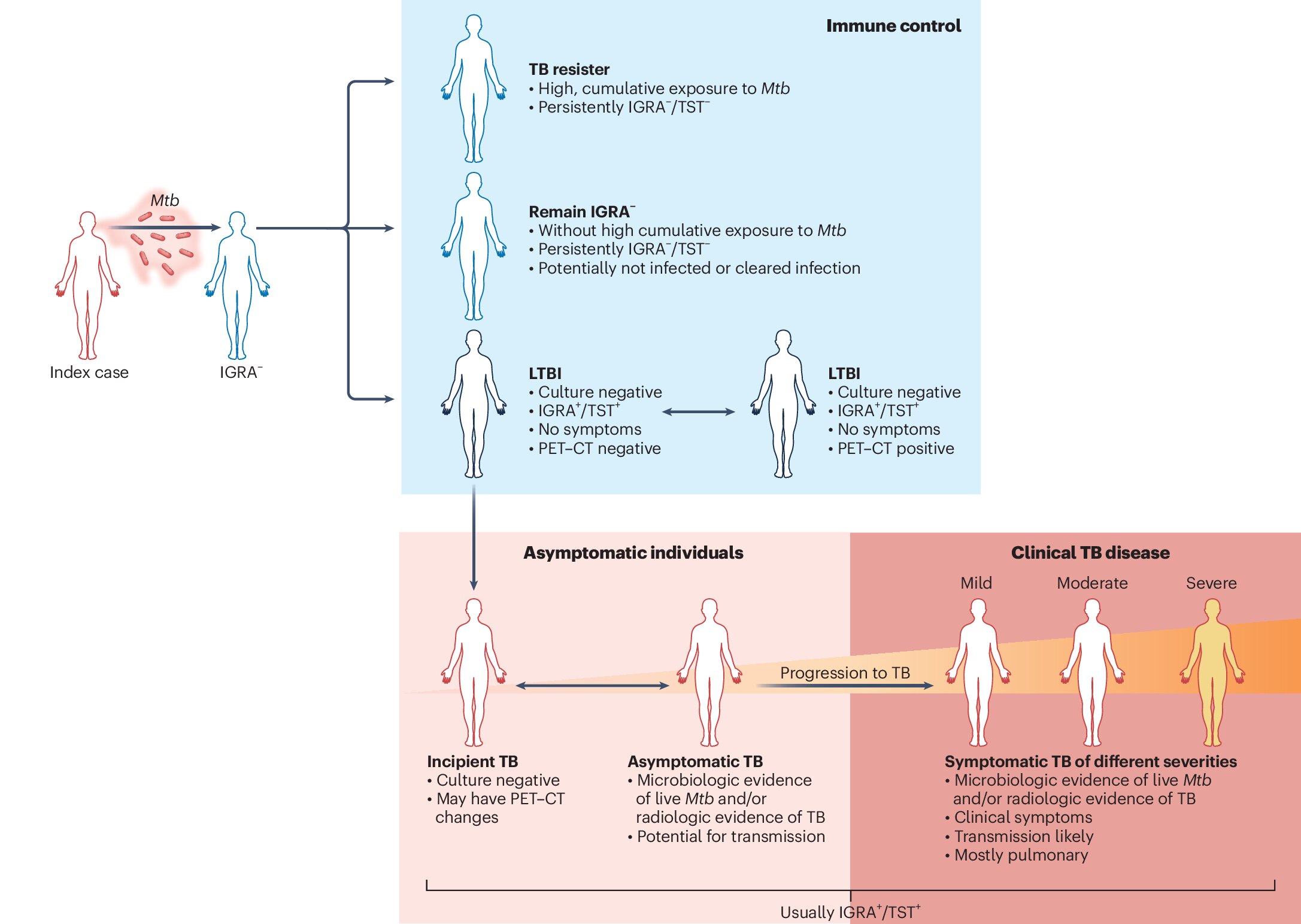
Researchers at the Francis Crick Institute have identified early immune patterns in the lungs that may help explain why some people infected with Mycobacterium tuberculosis develop active disease while others remain well. The findings, published in Nature Immunology, point to possible ways to detect higher-risk patients earlier and design treatments that prevent damaging lung inflammation.
Tuberculosis remains a major infectious disease, though most infected people do not become sick. The Francis Crick Institute said an estimated quarter of the world’s population has been infected with the bacterium, while about 5% to 10% of infected people develop active TB.
The work builds on earlier research from Anne O’Garra’s laboratory at the Crick. In 2010, the group reported in Nature that active TB was linked to a specific inflammatory blood signature involving type I interferon, an immune signal better known at the time for its role in antiviral responses.
For the new study, the researchers looked closer to the point where TB begins: the lung. Working with clinicians at University Hospitals of Leicester NHS Trust, they studied bronchoalveolar lavage samples, a fluid collected from the lower airways, from recent household contacts of people with pulmonary TB.
First author Will Branchett and colleagues analyzed the samples using bulk RNA sequencing, single-cell RNA sequencing and flow cytometry, according to the Francis Crick Institute. Those methods allowed the team to examine which immune cells were present in the airways and what genes were active inside them.
Two immune responses
The Nature Immunology study found contrasting immune states in people who progressed to active TB and those who controlled the infection. In people who developed active disease, the airways contained many neutrophils, a type of immune cell involved in inflammation.
The researchers reported that about half of those neutrophils had activated genes tied to type I interferon signaling. They also found that neutrophils appeared to produce high levels of CXCL8, a molecule that can attract more neutrophils into lung tissue, raising the possibility of a self-reinforcing inflammatory response.
The team also found signs that T cells in lungs with high neutrophil numbers were under stress. According to Branchett, the cells showed evidence consistent with exhaustion and cell death, which may limit their ability to help control infection.
In people who controlled TB infection, the immune pattern looked different. The Francis Crick Institute said their T cells were not strongly activated or exhausted, and instead expressed genes associated with regulation and a more stem-like state, suggesting they could persist and respond over a longer period.
The researchers said similar patterns appeared when they examined data from published studies of nonhuman primates with TB and from earlier mouse studies in O’Garra’s lab. Across those models, related immune cell responses were associated with either protection or progression to disease.
Potential for earlier intervention
The findings suggest that the balance between inflammatory neutrophils and durable T cell responses in the airways may help determine whether TB infection is controlled or advances to active disease, according to the research team.
O’Garra said current TB diagnosis can be difficult because the bacteria are often hard to detect, and existing tests do not show whether an infected person is likely to become ill. She said identifying these immune signatures early could help predict risk.
The researchers said possible future approaches could include vaccines that encourage longer-lasting protective T cell states or therapies that reduce harmful inflammation. O’Garra pointed to CXCR2 inhibitors, drugs intended to limit CXCL8-driven neutrophil movement into and within tissues, noting that such drugs are already being tested for other lung conditions.
The Francis Crick Institute said Branchett plans to establish an independent research group to continue studies of TB infection mechanisms and host-directed therapies. O’Garra’s lab will keep working to validate potential treatment targets and biomarkers for early TB detection and patient stratification.
This story draws on original reporting from Medical Xpress.