
Lung cancer biomarker testing still takes weeks, study finds
A JCO Oncology Practice study found median biopsy-to-result time for non-small cell lung cancer testing fell to 27 days, with ordering delays persisting.
By Priya Raghavan · Science Reporter
3 min read
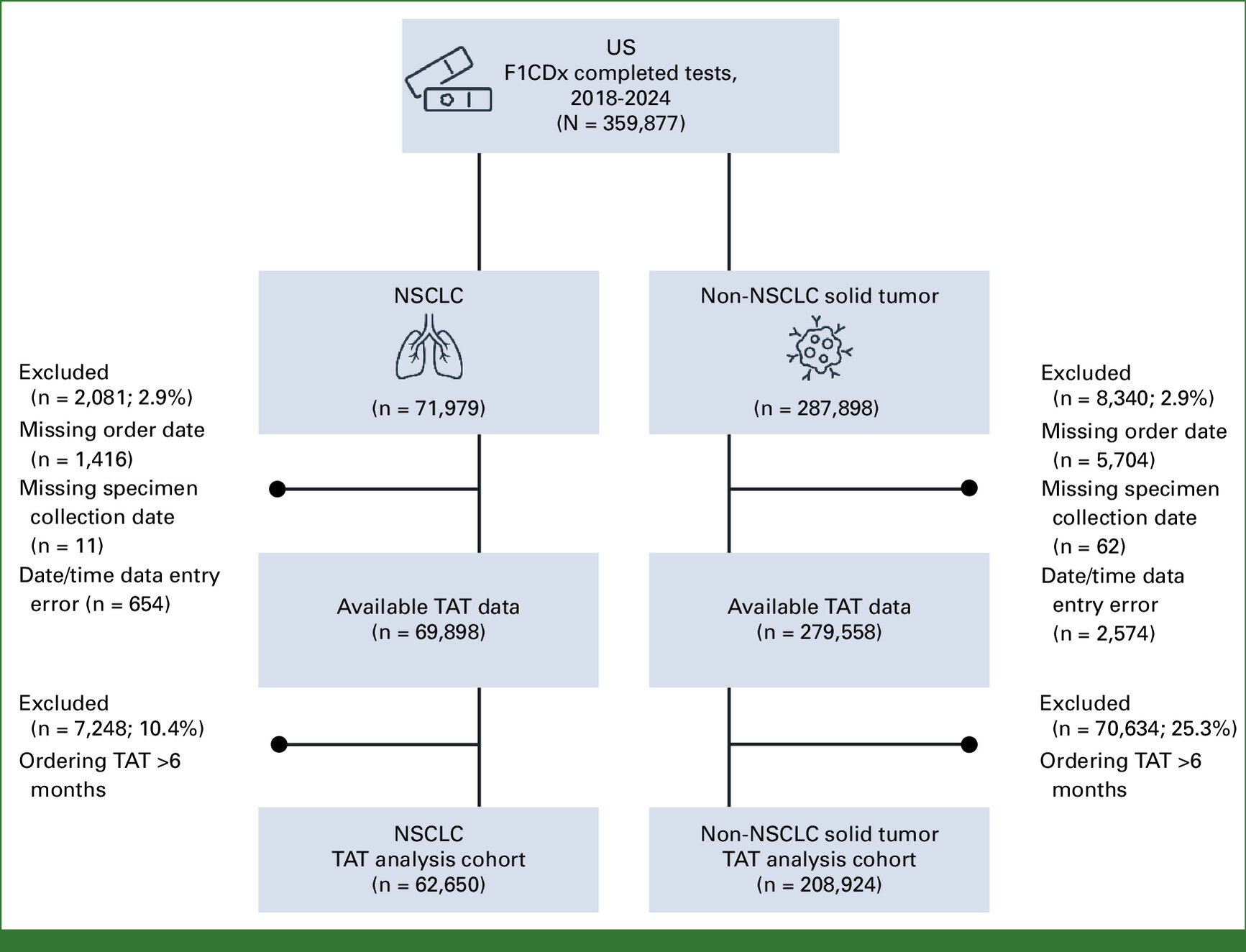
Patients with non-small cell lung cancer still wait nearly a month, on average, from biopsy to biomarker results, according to a study published in JCO Oncology Practice. The delay matters because biomarker results can determine whether a patient should receive targeted therapy, immunotherapy or another first treatment, the researchers said.
Adam Fox, a lung cancer pulmonologist at MUSC Hollings Cancer Center who led the research, examined comprehensive genomic profiling turnaround times with Hollings pulmonologist Gerard Silvestri and a biomarker testing company. The study reviewed testing for non-small cell lung cancer and other solid tumors between 2018 and 2024, according to the Medical University of South Carolina.
The researchers separated the process into three steps: the time from biopsy to ordering the test, the time needed to prepare and ship the sample, and the time the laboratory needed to run the test and report results. For non-small cell lung cancer, the total median time improved from 36 days in 2018 to 27 days in 2024, the study found.
That improvement came largely from faster laboratory work, according to Fox and colleagues. The first step, getting the test ordered after biopsy, became slightly slower over the study period, increasing by one day.
Ordering delays also varied sharply by site. In 2024, the fastest-performing 20% of sites had a median of eight days from biopsy to test order, while the slowest 20% had a median of 23 days, according to the study. Fox said some sites took as long as 30 days just to place the order.
Physicians may underestimate the full timeline because they often see only part of the process, Fox said. In an earlier survey of 400 pulmonologists, doctors estimated the biopsy-to-biomarker process took about two weeks, while the study’s median was closer to four weeks, according to MUSC.
Biomarkers are biological signs that can show whether a tumor is likely to respond to a particular drug. In lung cancer, some newer targeted therapies work only for tumors with specific genetic changes, while some widely used immunotherapies may be less suitable for patients with certain mutations, the researchers said.
Starting treatment before biomarker results return can create problems, according to Fox. He said switching from immunotherapy to targeted therapy can raise the risk of pneumonitis, a lung inflammation that may cause lasting breathing problems. The researchers also cited possible side effects from an initial mismatched treatment, loss of patient willingness to continue care, and reduced eligibility for clinical trials.
MUSC has adopted reflex testing, in which pathologists start biomarker testing after finding lung cancer cells in a sample, according to Fox. He said broader adoption may be limited by logistical and financial barriers, including uncertainty over which clinician should order testing, rapid changes in molecular testing, lack of in-house laboratories at many hospitals, past insurance coverage concerns and Medicare reimbursement rules for some inpatient testing.
The study also reviewed other solid tumors. Shipping and laboratory testing times were similar across cancer types, but ordering times differed, Fox said. In 2024, the median time to order testing was 14 days for non-small cell lung cancer, 22 days for ovarian cancer and 27 days for other gynecologic cancers, according to the study.
Fox said the findings point to a need for coordinated systems that place biomarker orders earlier, especially in cancers where the first treatment depends on the result.
This story draws on original reporting from Medical Xpress.