
Lightning strike survival often comes with lasting disability
An estimated 6,000 to 24,000 people die from lightning each year, while incomplete records obscure injuries and risks for survivors.
By Priya Raghavan · Science Reporter
3 min read
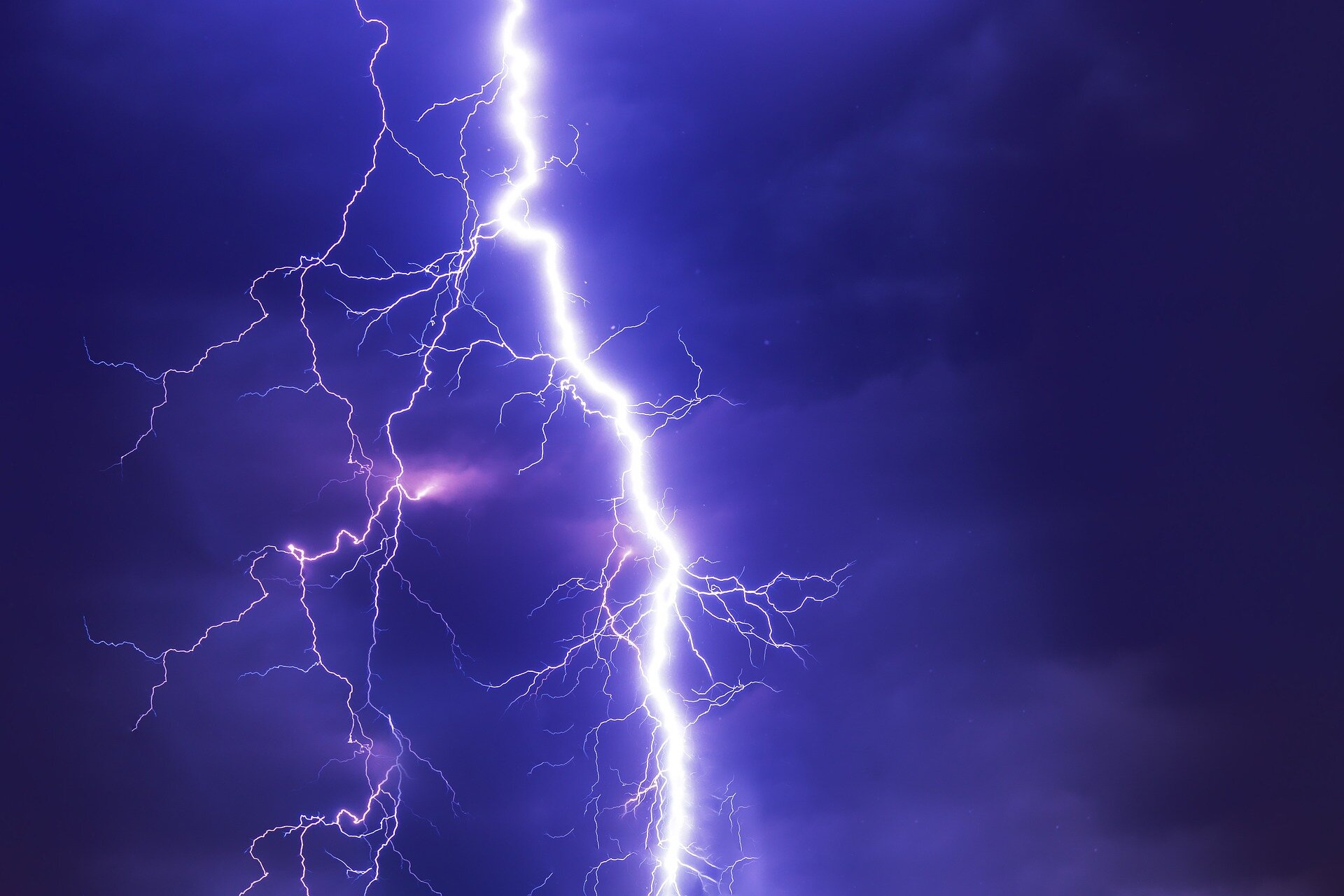
Lightning strike survival is far more common than death, but survivors may be left with disability and many cases are never fully counted. An estimated 6,000 to 24,000 people worldwide die from lightning annually, according to University of North Dakota researcher Daile Zhang, who says the wide range reflects limited and incomplete data.
The U.S. National Weather Service says about one in 10 people struck by lightning die. The other 90% can be left with varying degrees of disability, and a 2019 peer-reviewed chapter on lightning injury says many survivors have permanent disabilities.
Why are lightning deaths and injuries hard to count?
Lightning injuries and deaths are not reported to a single government agency or database worldwide, according to the peer-reviewed chapter. The record can miss people who delay seeking care after a strike, while medical and coroner records may list symptoms such as pain, weakness or changes in mental state rather than identify lightning as the cause.
That makes global totals uncertain, particularly where communications and record-keeping are limited. Zhang wrote that poor internet access, civil unrest, cultural beliefs and language barriers can impede reporting in parts of the Global South.
In the United States, the National Lightning Safety Council recorded 517 lightning deaths from 2006 through 2025, Zhang reported. Separately, the National Weather Service said U.S. Storm Data showed an average of 43 reported fatalities a year from 1989 through 2018, falling to an average of 27 annually from 2009 through 2018.
The Weather Service also warns that a strike can cause cardiac arrest at the time of injury. It says some resuscitated victims may die days later after irreversible brain damage.
Why does lightning risk differ across Africa?
Zhang and colleagues at the African Centres for Lightning and Education Network began assembling a public casualty database in January 2018. It covered 46 of Africa's 54 countries and contained more than 2,100 entries by June 2026, though the researchers caution that reporting is still incomplete.
The team compares country-level risk by multiplying three measures: lightning activity, the casualty rate relative to population, and vulnerability measured using gross domestic product per person. Of 15 countries with sufficient data, 14 ranked as high or very high risk in that analysis; Zhang identified South Africa as the exception.
Exposure and access to protection help explain why lightning activity alone does not determine outcomes. Zhang reported that roughly half of recorded lightning incidents in Africa occurred indoors and said many schools, homes, churches and marketplaces lack lightning-safe construction or protection systems. In unpublished team research cited by Zhang, 87% of fatal lightning incidents in Africa involved more than one victim, compared with fewer than 10% in developed countries.
Improved reporting could give researchers a clearer measure of the global toll. The available evidence also identifies access to lightning-safe buildings, vehicles and prompt emergency care as factors linked to better chances of surviving a strike.
Readers can review the National Weather Service's U.S. lightning risk and injury data.
This story draws on original reporting from Medical Xpress.