
Experts point to fit and lab tests as key to KN95 mask shopping
CDC guidance says respirators offer stronger protection than many masks, but experts warn buyers to check fit, documentation and packaging.
By Tom Brennan · Health & Medicine Correspondent
3 min read
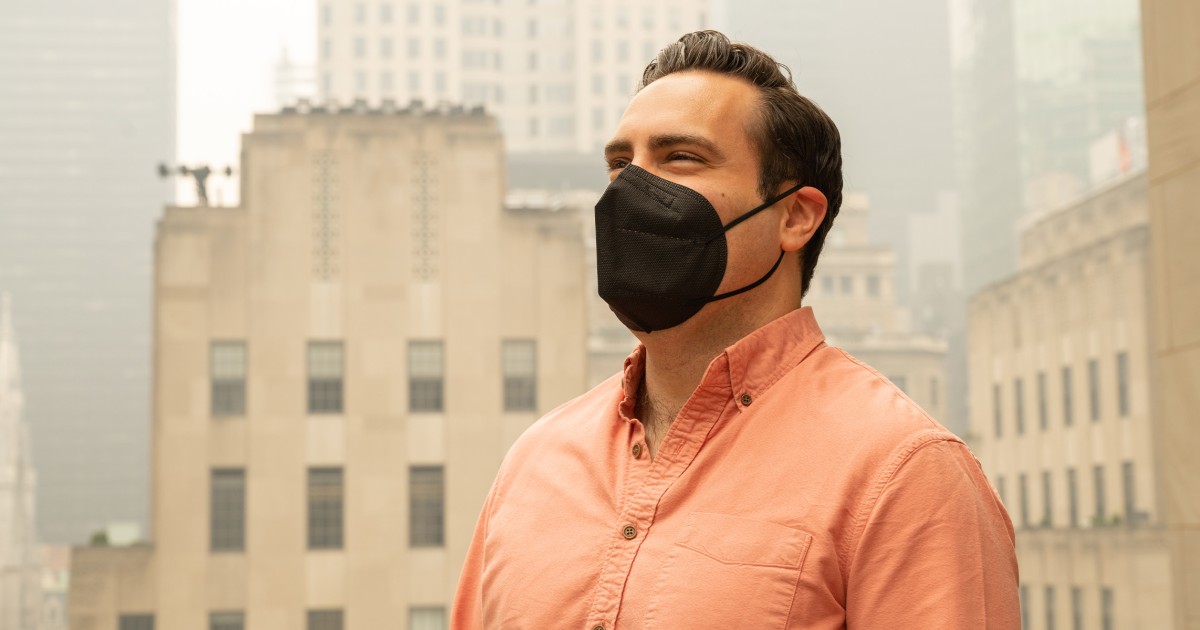
Face masks are less common than they were during the height of the Covid-19 pandemic, but health experts say KN95 respirators can still help reduce exposure to respiratory viruses and limit spread when someone is sick. The Centers for Disease Control and Prevention says properly fitted respirators provide the strongest protection among common face coverings.
NBC Selected, after consulting health experts and reviewing mask documentation, highlighted several KN95 options that met its criteria for filtration, construction and brand transparency. Its review focused on masks with at least five layers, ear loops or head straps, an adjustable nose bridge and lab documentation showing filtration performance.
What experts say to check
KN95 masks are disposable respirators designed to filter 95% of particulate matter, according to Dr. Nina Shapiro, a pediatric ear, nose and throat specialist at Westside Head and Neck in California. They are built to a Chinese standard rather than the U.S. N95 standard, and they are not regulated in the United States the way NIOSH-approved N95 respirators are.
The CDC says respirators, including N95s, rank above surgical masks and cloth masks when they fit well. Shapiro told NBC Selected that N95 masks offer the strongest protection, especially for health care workers treating patients with active infections, while many people may find KN95s easier to wear for longer periods.
Dr. Jeremy Friese, a former Mayo Clinic physician and founder and CEO of Humata Health, told NBC Selected that shoppers cannot reliably confirm a KN95’s authenticity by appearance alone. Anne Miller, executive director of Project N95, advised buyers to review lab testing documents before wearing a mask.
The CDC says buyers should be alert for counterfeit or misleading masks. NBC Selected reported that packaging should not show an FDA logo, and KN95 masks should not be marketed as FDA-approved or NIOSH-approved because those claims do not apply to KN95s.
Products highlighted
NBC Selected named Hotodeal KN95 Face Mask as its overall pick. The masks were included on the FDA’s former emergency use authorization list, come in packs of 20, 40, 60 and 120, and include an adjustable nose bridge and stretchy ear loops, according to the report.
Powecom KN95 Face Mask was highlighted for neutral color options. NBC Selected reported that Powecom’s masks also appeared on the FDA’s former emergency use authorization list, are sold in black, white and other colors, and include an adjustable nose piece; the brand says the ear loops are latex-free.
WellBefore KN95 Individually Wrapped Face Masks were cited as a bulk-buy option. NBC Selected reported that the masks come in multiple colors, offer a choice between standard ear loops and head straps, include an adjustable nose bridge and can be purchased in quantities starting at 10.
When to wear one
Shapiro told NBC Selected that crowded indoor settings such as planes, trains, buses and concert venues carry higher risk for viral spread. She also recommended masks in waiting areas at medical offices and hospitals, where respiratory viruses may circulate.
People with symptoms such as coughing, sneezing or fever should stay home when possible, Shapiro said. If they need to leave for medical care or medication, she said wearing a face mask can help protect others.
KN95 masks should cover the nose and mouth and seal closely against the face, according to CDC guidance cited by NBC Selected. The CDC also advises against double-masking with a KN95 and against using respirators with exhalation valves or vents.
This story draws on original reporting from NBC News.