
Injectable nerve stimulator aims to avoid surgical implants
NYU Abu Dhabi and Cleveland Clinic Abu Dhabi researchers report a seed-sized wireless device designed to control nerve activity after injection.
By Priya Raghavan · Science Reporter
3 min read
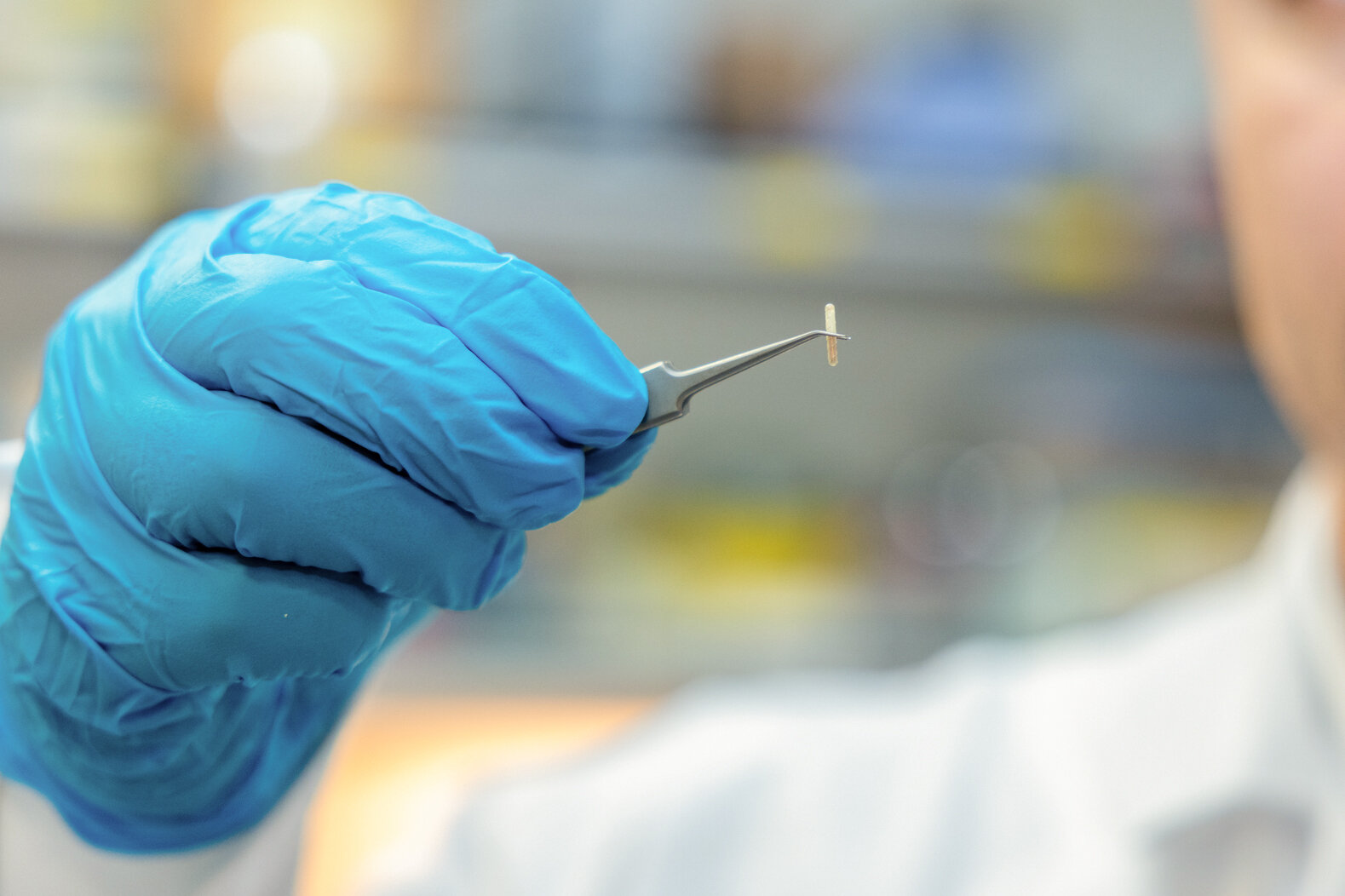
Researchers at NYU Abu Dhabi and Cleveland Clinic Abu Dhabi have developed a tiny injectable device intended to control nerve activity without surgical implantation, according to New York University. The team says the approach could offer a less invasive option for conditions such as chronic pain and movement disorders, where nerve stimulation may be part of treatment.
The work was published in Science Advances under the title “An injectable, leadless bioelectronic interface for battery-free wireless peripheral neuromodulation.” New York University said the device is designed to avoid the batteries, leads and surgical placement used in some existing bioelectronic systems.
How the device works
NYU described the device as about the size of a small seed. It can be delivered through a standard needle and positioned near a target nerve, according to the university.
After placement, the device sends controlled electrical signals that affect nerve behavior, NYU said. The system is powered wirelessly from outside the body, which the researchers say allows clinicians or patients to change its activity in real time.
The study reports that the device can deliver programmable electrical stimulation. NYU said that feature could allow treatment settings to be adjusted for a patient’s needs.
The device can also be located and monitored with standard medical imaging methods, including ultrasound and CT scans, according to the university. That imaging compatibility is meant to support accurate placement near the intended nerve.
What testing showed
NYU said laboratory and preclinical tests showed the device could control nerve stimulation with precision and maintain consistent performance under conditions meant to reflect real use. The team also reported that the device activated nerves in vivo, a finding NYU said supports its potential for future practical applications.
The university did not describe the technology as a replacement for all current therapies. It said the approach could complement existing options, including medications and implanted medical devices, depending on a patient’s condition and clinical needs.
Khalil Ramadi, an assistant professor of bioengineering at NYU Abu Dhabi and NYU Tandon and the study’s senior author, said the project reflects a different way to think about treating nerve-related conditions. According to NYU, Ramadi said an injectable device could make these therapies easier to deliver while preserving control over nerve activity.
Dr. Sawsan Abdel-Razig, chief academic officer at Cleveland Clinic Abu Dhabi, said the collaboration reflects the clinic’s interest in research that can translate into patient-care improvements, according to NYU. She said multidisciplinary partnerships can help develop less invasive therapies and broaden access to advanced treatments.
Dr. Mohamed Elsherif, a research associate at NYU Abu Dhabi and the study’s first author, said the technology could sit between noninvasive therapies and conventional implants, according to the university. NYU said the researchers believe the device could reduce the need for major procedures and may lower risks and recovery time if developed for clinical use.
This story draws on original reporting from Medical Xpress.