
Indigenous cultural medicines access remains limited, study finds
A national study found many First Peoples adults want cultural medicines in care, but access to traditional healers is scarce.
By Tom Brennan · Health & Medicine Correspondent
3 min read
A new Australia-wide study says Indigenous cultural medicines access remains limited even though many First Peoples adults want to use them more often in health care. Researchers led by Southern Cross University argue the gap should be treated as a health equity issue, not as a side matter outside mainstream care.
The study, published in First Nations Health and Wellbeing – The Lowitja Journal, examined how First Peoples in Australia use cultural medicines, how easily they can access them and whether they want broader use. Southern Cross University described it as the first national, co-designed study of those questions.
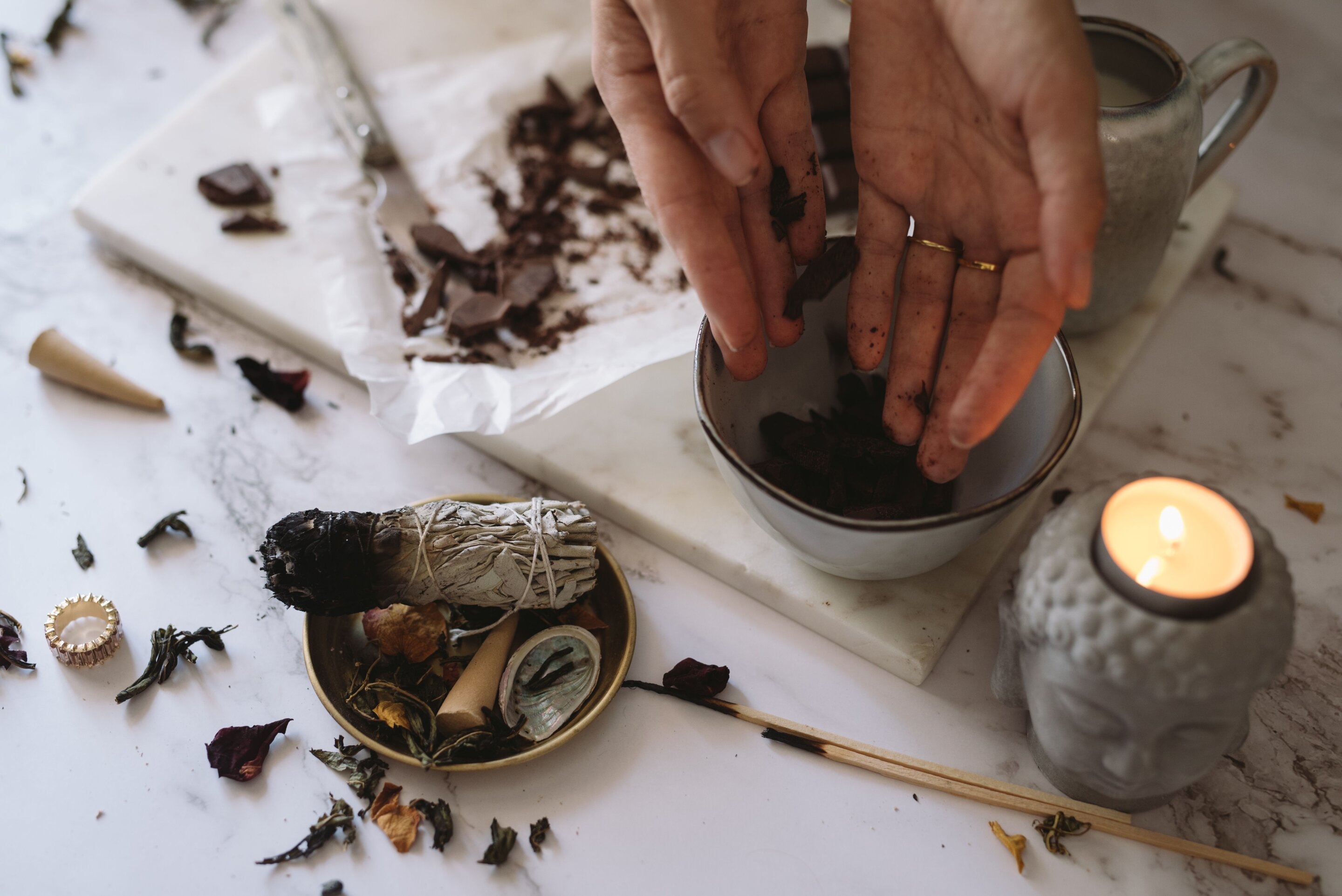
Cultural medicines in the study included physical medicines that may be ingested, inhaled or applied to the skin, as well as practices such as healing ceremonies, smoking ceremonies, song-based ceremonies, traditional healers and Country as medicine. The findings point to strong interest in those forms of care alongside clinical services, according to the research team.
What did the study find about Indigenous cultural medicines access?
The research included 186 First Peoples adults from city and regional areas across Australia. Most participants were aged 30 to 49, and 81.7% were women, according to Southern Cross University.
Only 9.7% of respondents said they could easily access traditional healers. Among those without access, more than 94% said they would use traditional healers if they were available, the researchers reported.
The study found that Country as medicine and smoking ceremonies were among the most commonly used forms of cultural medicine. The lowest reported engagement was with traditional healers, song-based ceremonies and insect-based native foods.
Lead author Dr. Alana Gall, from Southern Cross University’s National Centre for Naturopathic Medicine, said unmet need appeared to be shaped by more than distance or health service availability. Gall, a Truwulway and Litamirimina woman, linked barriers to colonization, removal from Country, interrupted knowledge sharing and the marginal place of Indigenous knowledge in health systems.
Gall said the findings show that health equity for First Peoples requires structural change. She said cultural medicines should be recognized as legitimate forms of care, with First Peoples treated as the original knowledge holders in health and healing.
Why palliative care was a focus
The study identified end-of-life care as an area where cultural medicines may be especially important. Two-thirds of participants said they wanted cultural medicines for themselves in palliative care, while more than 92% wanted families to be able to access healing ceremonies during grief.
Gall said family sits at the center of Indigenous well-being, and the results showed demand for culturally governed care in palliative and bereavement services. She said health services would need broader cultural change to help different practitioners support access to cultural medicines.
Mike Stephens, director of medicines policy and programs at the National Aboriginal Community Controlled Health Organization, was a co-author of the study. NACCHO chief executive Dr. Dawn Casey said cultural medicines should not be absorbed into the health system on the system’s own terms; she said access should be designed and governed by Aboriginal and Torres Strait Islander people through Aboriginal Community Controlled Health Organizations, local knowledge holders and community protocols.
Country, knowledge and policy
The researchers also said access to cultural medicines is tied to the health of Country. They identified restoring lands and ecosystems, supporting the transfer of knowledge between generations and protecting Elders as knowledge holders as important steps.
Aunty Theresa Sainty, a Pakana Elder and co-author who provided cultural governance for the work, described Country as medicine for First Peoples and connected care for Mother Earth with care for people.
Gall said the findings have policy implications in Australia and internationally. She pointed to Australia’s Closing the Gap agenda and the 2007 United Nations General Assembly position on First Peoples’ rights to culturally safe care and self-determination in health, saying policy responses should be developed with, and where possible led by, First Peoples.
This story draws on original reporting from Medical Xpress.