
Hydrogel biosensors study reports stickier sensors for hairy, sweaty skin
Drexel and Penn State researchers made a reusable hydrogel sensor material designed to keep signals steady during motion, sweat and hair.
By Priya Raghavan · Science Reporter
3 min read
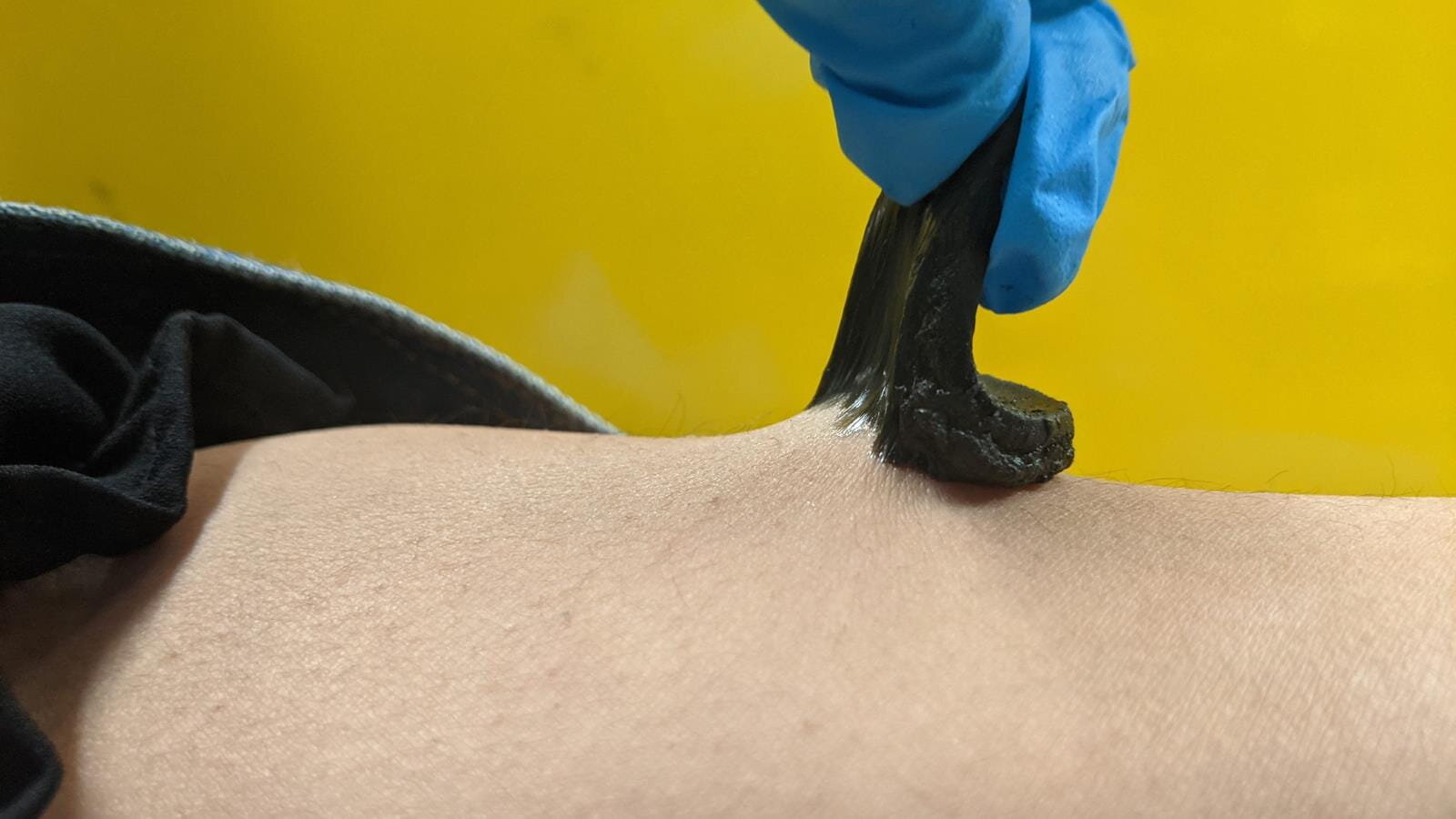
A new hydrogel biosensors study from Drexel University and Penn State University reports a soft, adhesive material that can keep contact with skin through hair, sweat, bending and stretching. The work matters because wearable health monitors depend on stable skin contact, and movement or moisture can weaken the signals those devices are meant to record.
The researchers described the material in Science Advances. Drexel said the team designed a hydrogel substrate that can be printed or dispensed in different shapes and sizes, making it adaptable for body sites that conventional electrodes may not fit well.
A hydrogel biosensor is a soft, water-rich material used as an interface between the body and electronics that measure biological signals. In this case, the team aimed to make that interface more comfortable, reusable and reliable under conditions people encounter outside a lab.
How do the new hydrogel biosensors work?
The team changed the chemistry of the gel so it would not set too early. Drexel said the researchers used the mixture’s pH to control when it formed, allowing the material to pass through a syringe and then conform quickly after being applied to skin.
To improve electrical performance and durability, the researchers added graphene-based flakes, including laser-induced graphene and reduced graphene oxide. According to Drexel, those materials created a porous network inside the hydrogel, helping conduct signals while allowing sweat to move through the gel rather than collect beneath it.
The researchers also included polydopamine, a polymer adhesive modeled on sticky proteins found in muscle tissue. Drexel said that component helped the sensors stay attached to biological tissue during sweating and activity.
What the tests showed
In early tests, the team reported that the gel was about as soft as human tissue and could stretch to 80 times its original size. Drexel said the material could be removed and reapplied dozens of times without losing performance.
The hydrogel also stuck to skin and to materials including copper, steel, glass and rubber, which the researchers said points to possible use across biomedical sensing devices. The team tested electrocardiogram sensors on the wrist and chest and found that they maintained signal contact while the body bent and stretched.
Electrooculography sensors, which record eye-related electrical signals, also performed during blinking and eye movement exercises, according to Drexel. Abu Musa Abdullah, a postdoctoral researcher in mechanical engineering and mechanics at Drexel and one of the research leaders, said the hydrogel was intended to make existing physiological measurements more stable under difficult daily conditions, rather than create a new category of measurement.
Why anxiety testing was included
The researchers also built a sensor array to track several signs associated with anxiety. Drexel said sensors placed on the eyelid, palm and wrist monitored blinking, sweat and heart rate while a participant heard relaxing music and irritating sounds.
In another test, a volunteer who described being afraid of spiders watched spider videos. Drexel said the sensors continued recording as the participant showed signs of a fight-or-flight response, including more sweating and blinking.
The findings remain a proof of concept, and Drexel said more work is needed before any commercial use. The researchers said the material could be optimized for uses such as exercise monitoring, physical training and rehabilitation, with possible concurrent tracking of signals including heart rate, temperature, blinking and muscle movement.
This story draws on original reporting from Medical Xpress.