
Gut bacteria patterns may flag diabetes risk years early
A Swedish cohort study links gut microbiome signals and metabolism shifts to later type 2 diabetes, pointing to possible earlier risk screening.
By Tom Brennan · Health & Medicine Correspondent
3 min read
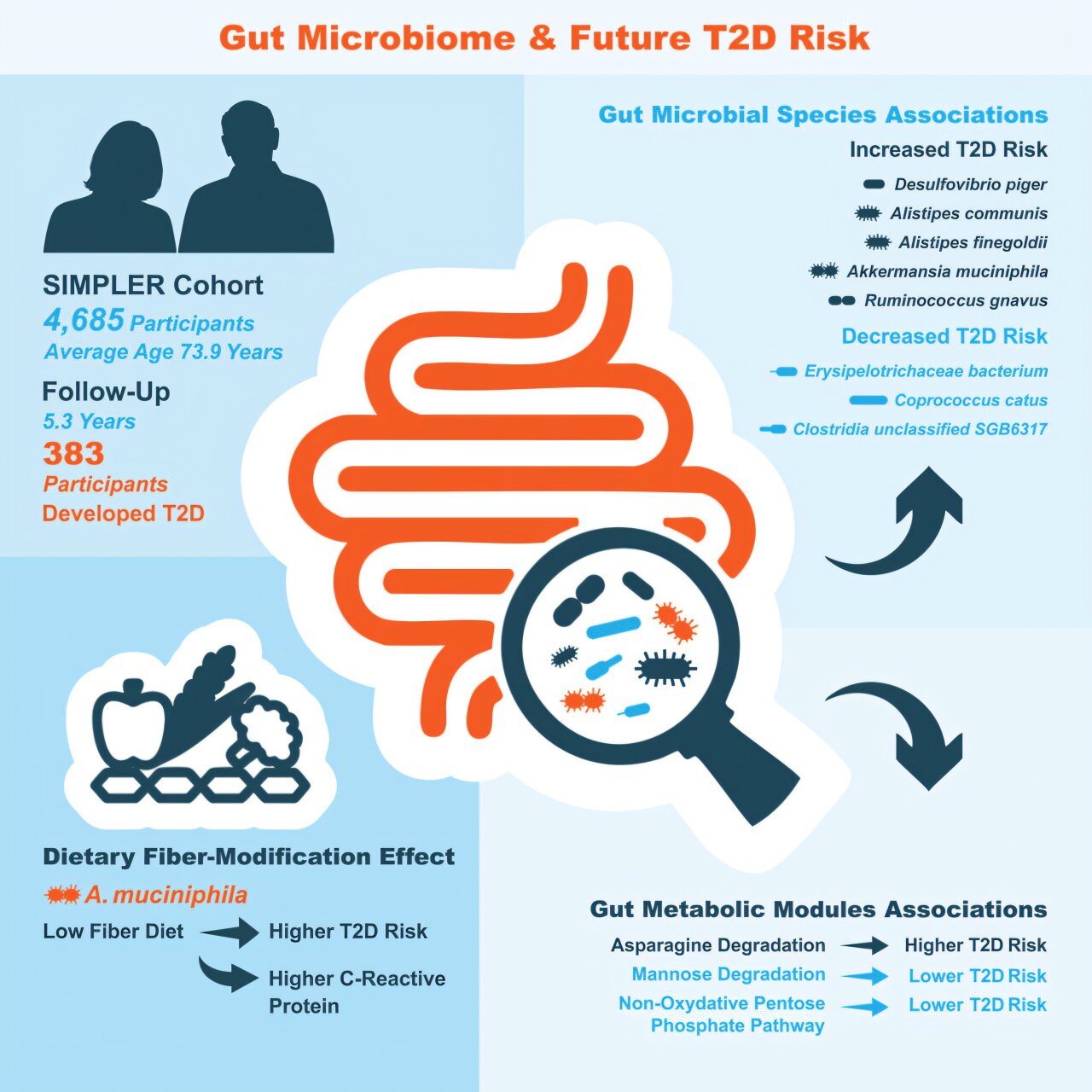
Researchers in Sweden have linked gut bacteria patterns to the later development of type 2 diabetes, suggesting that stool-based microbiome testing could one day help identify people at higher risk before the disease appears. The Chalmers University of Technology-led study, published in Cell Reports Medicine, found microbial and metabolic differences years before diagnosis.
The work examined stool samples from 4,685 Swedish adults as part of the EU HealthFerm project, according to Chalmers University of Technology. Over an average follow-up of five years, 383 participants developed diabetes, and the researchers reported shared early features in their gut microbiota.
Gaël Toubon, a postdoctoral researcher in food science at Chalmers, said the timing of the microbiome changes may point to a role for gut microbes in disease development rather than changes arising only after diabetes begins. The researchers said the findings need confirmation in additional large studies before they can be used in care.
Nine bacteria tied to later risk
The Chalmers-led team reported that nine bacterial signals in the gut microbiome were associated with the risk of developing type 2 diabetes. Toubon said diet appeared to influence whether some bacteria were linked with benefit or harm.
One unexpected finding, according to the researchers, involved Akkermansia muciniphila, a bacterium often associated with favorable health effects. The study found higher levels of that bacterium among people who later developed diabetes.
Toubon said the result may depend on fiber intake. Under favorable conditions, according to Chalmers, Akkermansia muciniphila uses dietary fiber; when fiber intake is too low, the researchers said it may instead break down the gut’s protective mucus layer, a process they linked to inflammation and metabolic disturbances connected with insulin resistance and type 2 diabetes.
The researchers also identified a more conditional pattern for Coprococcus catus. According to the study, that bacterium was linked with diabetes risk when present at very low levels, while the same risk pattern was not seen above a certain level.
Possible biomarker, not a clinical test yet
Chalmers said the findings raise the possibility that gut bacteria could be used as biomarkers alongside established risk factors such as obesity, family history and blood glucose levels. In that scenario, a stool sample could add information to help estimate who is more likely to develop type 2 diabetes.
The researchers cautioned that the approach is not ready for clinical use. Rikard Landberg, professor at Chalmers’ Department of Life Sciences and lead author of the study, said the team cannot yet offer personalized dietary advice based on these microbiome results.
Landberg said the findings are consistent with current advice to eat fiber-rich foods, including fruit, vegetables, legumes and whole grains. He also said the study supports looking at the gut microbiome together with lifestyle factors when assessing diabetes risk.
The World Health Organization says the number of adults with diabetes has more than doubled since the 1990s. According to WHO figures cited by Chalmers, 800 million people live with diabetes worldwide, and type 2 diabetes accounts for more than 90% of cases.
This story draws on original reporting from Medical Xpress.