
Florida resists CDC home-surveillance plan for Hondius passenger
A Florida passenger exposed to Andes hantavirus remains in federal quarantine as state officials reject round-the-clock monitoring at home.
By Priya Raghavan · Science Reporter
3 min read
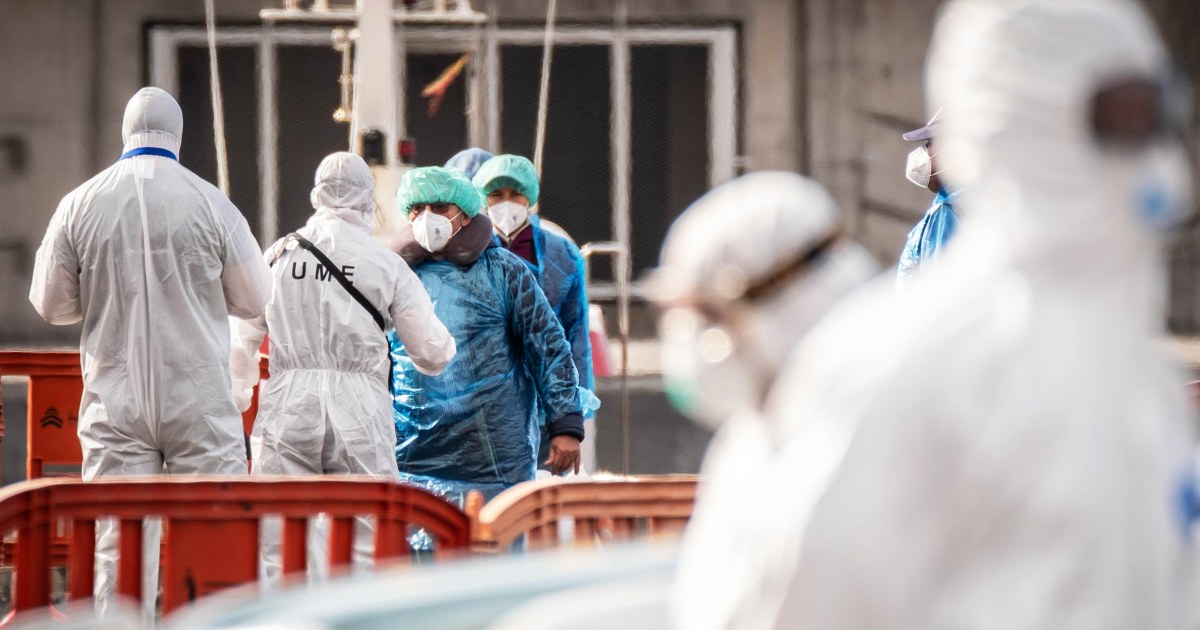
Florida health officials are objecting to federal quarantine conditions for a cruise passenger exposed to Andes hantavirus, leaving at least one state resident still in a federal isolation unit in Nebraska. The dispute matters because the virus linked to the MV Hondius outbreak can spread between people and may take up to six weeks to cause symptoms, according to health officials cited by NBC News.
Angela Perryman, 47, told NBC News she has been at the University of Nebraska Medical Center’s National Quarantine Unit since May 11 and cannot return to Florida under the current rules. Perryman said she believes she is caught between state and federal authorities over how home quarantine should be monitored.
The Centers for Disease Control and Prevention required states to place either law enforcement officers or public health workers outside the homes of quarantined passengers for continuous surveillance, NBC News reported. State health departments were responsible for deciding how to carry out that requirement for passengers who wanted to finish quarantine at home.
Brian Wright, a spokesman for the Florida Department of Health, said in an email that Florida does not plan to use round-the-clock surveillance. Wright said the state does not think such restrictions are needed when standard public health measures can protect public health and individual freedom.
Perryman told NBC News that passengers had earlier been told they could leave federal quarantine by the end of May and complete the rest of a 42-day quarantine period under supervision at home. NBC News reported that the first five passengers left the Nebraska facility on June 1.
All Americans from the Hondius, including Perryman, have tested negative for the Andes virus, according to NBC News. Perryman said she wants to return home, remain inside and avoid contact with others.
Passengers remain under watch
Perryman was one of 18 Americans aboard the MV Hondius when the outbreak emerged in May, NBC News reported. The passengers were taken to the Nebraska quarantine unit, a facility that previously handled some early Covid-19 patients from the Diamond Princess cruise ship and several Ebola patients in 2014, according to NBC News.
As of Thursday, 10 of the Hondius passengers had left the federal facility and were under surveillance in their home states, a University of Nebraska Medical Center spokesperson confirmed to NBC News. The full 42-day quarantine period is scheduled to end June 22, according to the medical center’s timeline reported by NBC News.
The University of Nebraska Medical Center said the passengers who left did not use commercial travel and were transported with biocontainment safeguards in place. NBC News reported that the Administration for Strategic Preparedness and Response coordinated the trips with state and local health agencies.
Eight passengers, including Perryman, remained in Nebraska, according to NBC News. Jake Rosmarin is the only other remaining passenger who has publicly discussed the quarantine, NBC News reported, citing his Instagram posts.
Virus linked to deaths
Hantaviruses usually spread from rodents to humans, but the Andes strain is the only known hantavirus that can spread from person to person, according to NBC News. The World Health Organization has confirmed 13 Andes virus cases connected to the Hondius and three deaths, NBC News reported.
None of the American passengers has developed symptoms, according to NBC News. Health officials have focused on containment because the ship-linked cases had a 23% fatality rate and because symptoms can take as long as six weeks to appear, NBC News reported.
This story draws on original reporting from NBC News.