
FDA clears bemotrizinol for U.S. sunscreens after decades-long gap
The UV filter, already used abroad, is expected to broaden U.S. sunscreen options and improve UVA protection.
By Priya Raghavan · Science Reporter
3 min read
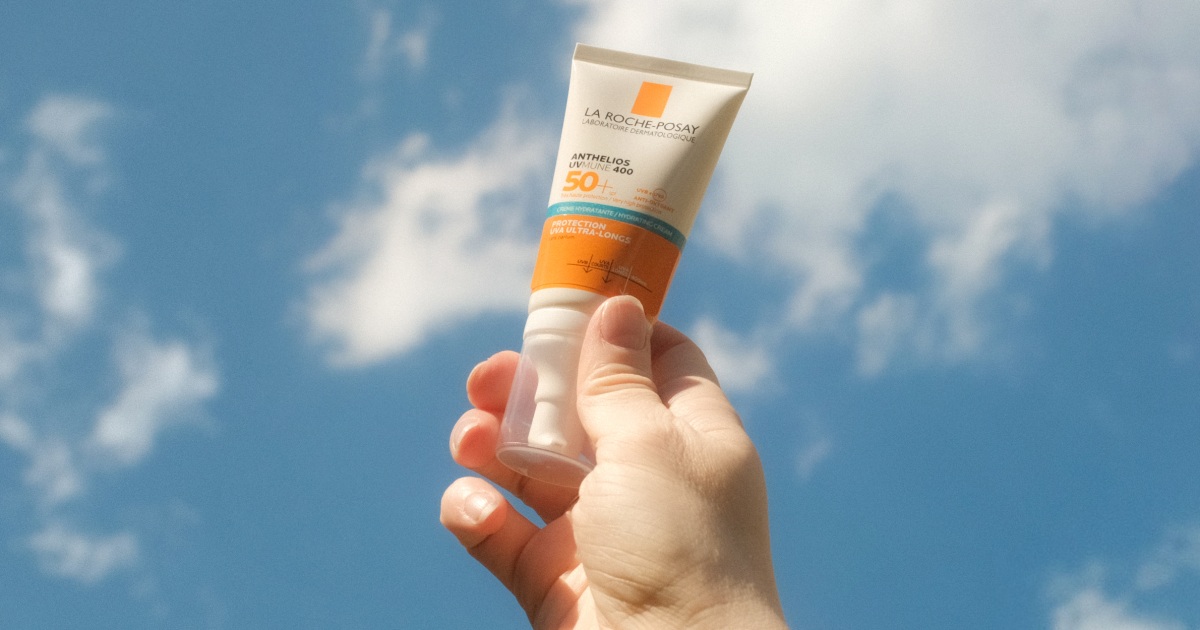
The Food and Drug Administration has added bemotrizinol to the list of ingredients permitted in sunscreens sold in the United States, the agency said Tuesday. The decision matters because it gives manufacturers access to a UV filter that has been used for years in Europe, Australia and parts of Asia.
The FDA said the action is the first time in more than 20 years that it has allowed a new active sunscreen ingredient. Sunscreens containing bemotrizinol are expected to reach the U.S. market by the end of the year, according to DSM-Firmenich, the ingredient’s manufacturer.
What bemotrizinol does
Bemotrizinol is a chemical UV filter, meaning it helps shield skin from ultraviolet radiation. The FDA said the ingredient provides broad-spectrum protection, a term used for sunscreens that guard against both UVA and UVB rays.
The distinction is central to sun protection. The American Academy of Dermatology says UVA rays are linked to skin aging and wrinkles, while UVB rays are the main cause of sunburn. The Skin Cancer Foundation says both types of ultraviolet radiation contribute to skin cancer risk.
Mineral sunscreens, which use zinc oxide or titanium dioxide, can protect against both UVA and UVB rays, according to NBC News. Those products can leave a visible white cast on the skin, a drawback that has pushed some consumers toward chemical formulas.
Chemical sunscreen options in the United States have been more limited. NBC News reported that the chemical filters currently available in U.S. products protect against either UVA or UVB rays, rather than covering both on their own, so companies often combine ingredients to achieve broad protection.
Why regulators and advocates focused on it
The FDA said bemotrizinol is more stable in sunlight than other chemical filters, meaning it does not break down as readily when exposed to the sun. The agency also said the compound has low levels of absorption into the body.
Absorption has been a concern for some sunscreen ingredients. NBC News has reported that studies found certain sunscreens may enter the bloodstream, though the health effects remain unclear.
The Environmental Working Group, an advocacy organization that has pushed for tougher sunscreen rules, welcomed the FDA decision. David Andrews, the group’s chief science officer, said in a statement that the move improves options for U.S. consumers and helps address weaker UVA protection in American sunscreens.
The change comes as public health groups continue to emphasize regular sun protection. The FDA’s decision does not remove the need to reapply sunscreen as directed, but it gives companies another ingredient to use in products designed to reduce exposure to harmful ultraviolet rays.
This story draws on original reporting from NBC News.