
Ebola outbreak in eastern Congo raises concern over wider spread
WHO says conflict, mining activity and population movement are complicating efforts to contain Bundibugyo Ebola in eastern Congo.
By Priya Raghavan · Science Reporter
3 min read
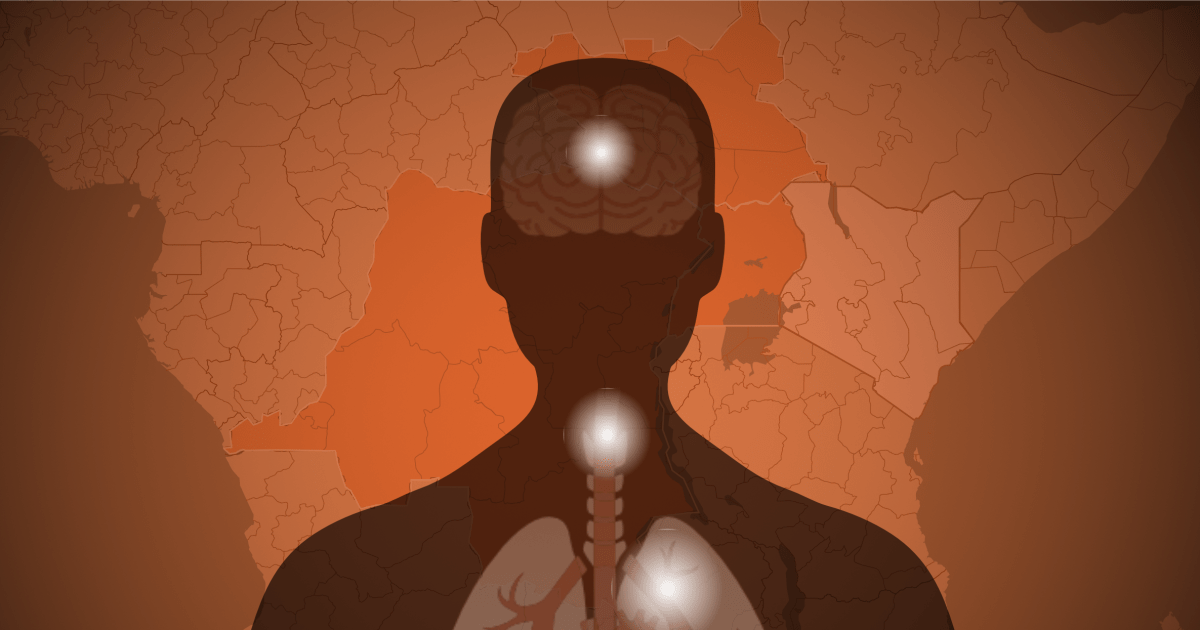
An Ebola outbreak in eastern Democratic Republic of the Congo has put global health officials on alert as cases rise in a remote, densely populated area. The World Health Organization has warned that conflict and frequent travel through a mining region could make containment harder.
Since the WHO declared a public health emergency in mid-May, health officials have reported hundreds of confirmed cases and dozens of deaths from the Bundibugyo species of Ebola, according to NBC News. WHO Director-General Tedros Adhanom Ghebreyesus said the “speed and scale” of the outbreak have raised concern that the virus could spread to other areas or countries.
The outbreak is centered in eastern Congo, where fighting has intensified and population movement is high, Tedros said. NBC News reported that an American surgeon who contracted Ebola while treating patients in Ituri province was evacuated to Germany for care.
U.S. quarantine plan faces opposition in Kenya
The outbreak has also triggered political backlash beyond Congo. NBC News reported that the Trump administration planned to send Americans exposed to Ebola to a quarantine site in Kenya, even though Kenya has reported no Ebola cases.
The proposed 50-bed facility at Laikipia Air Base has drawn protests, including in the central Kenyan town of Nanyuki, according to NBC News. A Kenyan court extended a temporary order blocking the plan while it considers the case.
An administration official said Friday that the United States was working with Kenya and other parties on plans for the quarantine facility, NBC News reported. White House officials previously said Americans who become ill and need treatment would be sent to Europe rather than flown to the United States.
How Bundibugyo Ebola spreads
Ebola does not spread like a respiratory virus, according to health guidance cited by NBC News. It can be transmitted through blood, saliva and other bodily fluids, as well as contaminated surfaces, and handling the bodies of people who died from Ebola is a known transmission risk.
The disease causes hemorrhagic fever and attacks blood vessels, damaging major organs as the virus increases in the body, according to NBC News. Early symptoms can include fever, headache, sore throat, fatigue and muscle aches.
The Centers for Disease Control and Prevention says four Ebola virus species are known to cause disease in humans. The Bundibugyo species was first identified in western Uganda less than 20 years ago, and NBC News reported that this is only the third known outbreak attributed to it.
The WHO says there is no approved vaccine or treatment for Bundibugyo Ebola. The agency has identified two possible vaccine candidates, but neither is ready for testing in people.
The deadliest Ebola epidemic on record began in 2014 in West Africa, according to NBC News. More than 11,300 people died in Guinea, Sierra Leone and Liberia before that outbreak, caused by the Zaire species of Ebola, was brought under control nearly two years later.
Experts believe African fruit bats may be the natural source of Ebola viruses, NBC News reported.
This story draws on original reporting from NBC News.