
Drug combination lowers A1c in three type 2 diabetes trials
Three phase 3 studies reported greater blood sugar reductions with weekly cagrilintide and semaglutide in adults with type 2 diabetes.
By Priya Raghavan · Science Reporter
2 min read
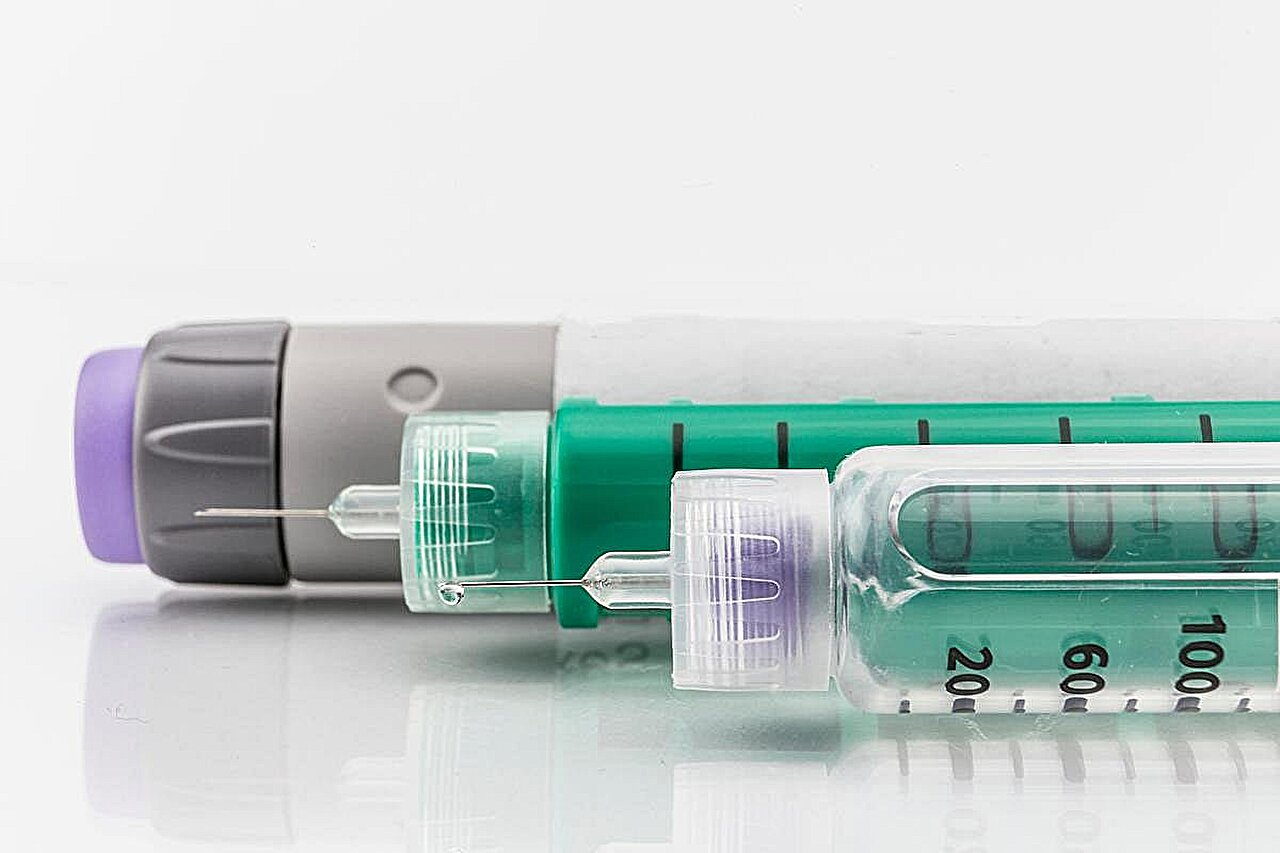
A once-weekly injection combining cagrilintide and semaglutide lowered blood sugar measures in three phase 3 trials of adults with type 2 diabetes, according to studies published June 7 in The Lancet Diabetes & Endocrinology and The Lancet. The findings add evidence for a potential treatment option in patients whose diabetes remains above goal despite diet, exercise or existing medicines.
The papers were released to coincide with the American Diabetes Association’s annual meeting, held June 5 to 8 in New Orleans. Cagrilintide is an amylin receptor agonist, and semaglutide is the GLP-1-based medicine already used in diabetes and weight management.
In one study, Vanita R. Aroda of Brigham and Women’s Hospital in Boston and colleagues enrolled adults with type 2 diabetes not adequately controlled with diet and exercise. The researchers randomly assigned participants to weekly subcutaneous cagrilintide 2.4 mg plus semaglutide 2.4 mg, cagrilintide 1.0 mg plus semaglutide 1.0 mg, or placebo for 40 weeks.
According to Aroda’s team, 62 participants received the higher-dose combination, 63 received the lower-dose combination and 64 received placebo. After 40 weeks, estimated mean hemoglobin A1c fell by 1.8 percentage points in the higher-dose group and 1.5 percentage points in the lower-dose group, compared with a 0.1-point reduction in the placebo group.
A second trial led by John B. Buse of the University of North Carolina School of Medicine in Chapel Hill compared the combination with each component and placebo. Buse and colleagues randomly assigned 2,713 adults with inadequately controlled type 2 diabetes, overweight or obesity who were taking metformin with or without an SGLT2 inhibitor.
The participants received cagrilintide-semaglutide, semaglutide, cagrilintide or placebo for 68 weeks, according to the study. Buse’s group reported a larger mean A1c reduction with cagrilintide-semaglutide at 2.4 mg of each drug than with semaglutide 2.4 mg alone: 1.91 percentage points versus 1.75 percentage points.
A third study tested the treatment as an add-on to basal insulin. Julio Rosenstock of the University of Texas Southwestern Medical Center in Dallas and colleagues studied 274 adults with type 2 diabetes who were using basal insulin.
Rosenstock’s team reported that, at week 40, mean A1c fell by 2.33% with cagrilintide-semaglutide 2.4 mg each and by 2.10% with 1.0 mg each. The placebo group had a 0.66% reduction, according to the study published in The Lancet.
Rosenstock said in a statement that the findings support the combination as a possible new tool for improving A1c levels to well below 7% in a difficult-to-treat group.
The studies were funded by Novo Nordisk, which is developing cagrilintide, according to the reports. Several authors across all three studies disclosed financial ties to biopharmaceutical companies, including Novo Nordisk.
This story draws on original reporting from Medical Xpress.