
Drug candidates target enzyme tied to cancer spread to the brain
Researchers say selective IMPDH2 blockers could prevent brain metastases while sparing more healthy cells, but the compounds remain in development.
By Priya Raghavan · Science Reporter
3 min read
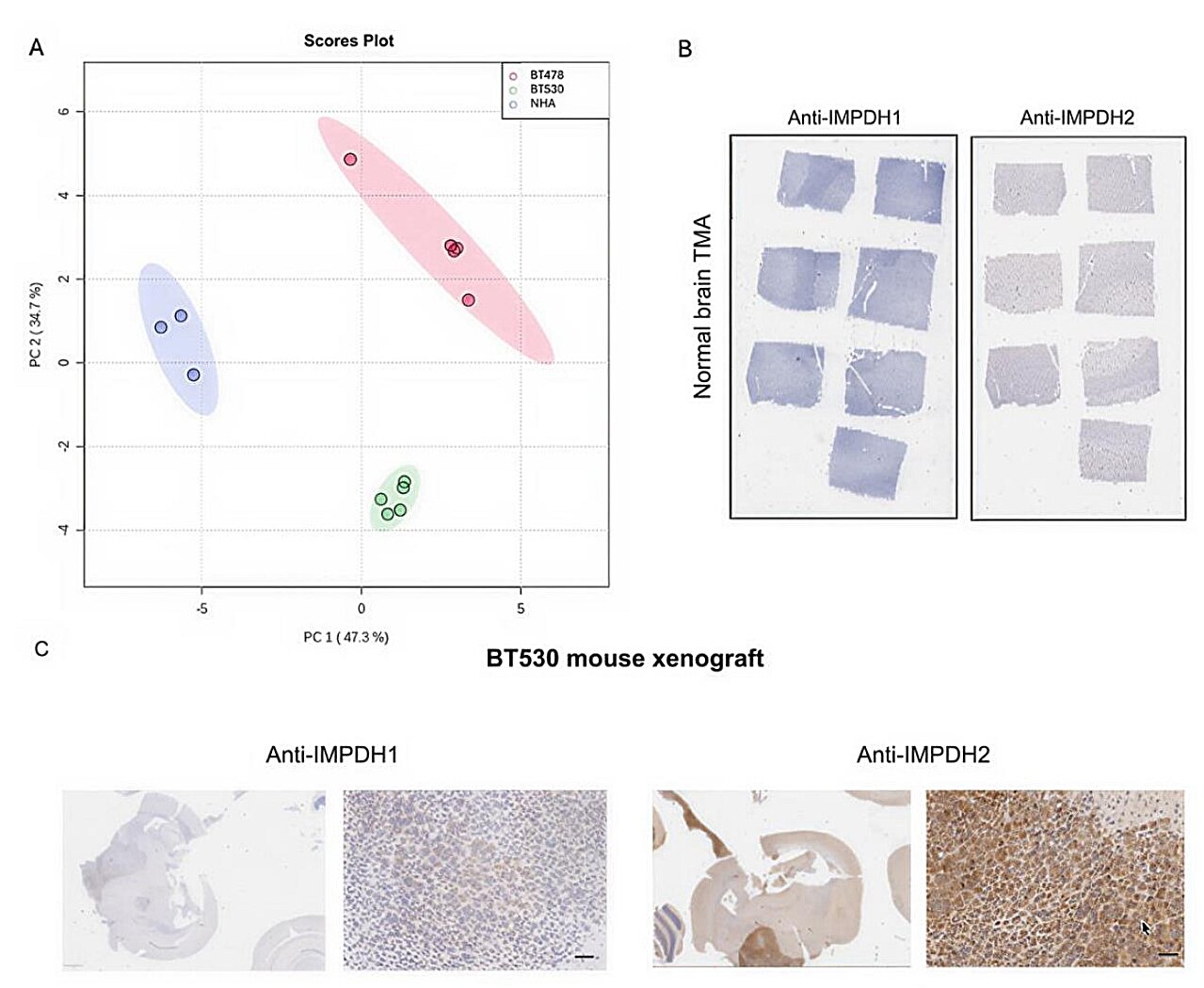
Researchers at King's College London and McMaster University report that they have developed drug candidates aimed at stopping cancer cells before they form tumors in the brain. The approach could matter for patients at high risk of brain metastases, which King's College London said are the most common brain tumors in adults and have a poor prognosis.
The study, published in the Proceedings of the National Academy of Sciences, focuses on an enzyme called IMPDH2. According to the paper, IMPDH2 is linked to the ability of cancer cells from lung, breast, skin and other tumors to spread to the brain.
Focus on stopping metastasis early
King's College London said the new compounds are designed to act before stray cancer cells leave primary tumors and seed disease in the brain. The work follows a therapeutic strategy first reported last year by the same research group, according to the university.
Lead author Sheila Singh, a professor of neuro-oncology and neurosurgery at King's College London and McMaster University, said metastatic brain cancer remains largely treated with palliative care. King's College London said Singh's group is working on preventive treatments for patients identified as being at high risk.
Singh said, according to King's College London, that 90% of patients with metastatic brain cancer die within one year of diagnosis. Her group is trying to prevent brain tumors by attacking the cells capable of starting metastases before those cells establish disease in the brain.
A narrower enzyme target
The drug candidates target IMPDH2, one of two forms of the IMPDH enzyme, according to King's College London. IMPDH has been studied for years as a possible cancer drug target, and some inhibitors have reached human trials, the university said.
King's College London said earlier IMPDH-blocking drugs have been limited by side effects because they can also affect healthy cells. The researchers are instead focusing on IMPDH2, which they say is vital to cells that initiate brain metastases but is not abundant in healthy tissue.
Agata Kieliszek, a McMaster postdoctoral fellow and head of biology and operations at Block Biosciences, said the selective strategy is intended to pair cancer-cell killing with better safety. The PNAS paper reports that selectively targeting inosine monophosphate dehydrogenase-2 reduced brain metastatic potential while preserving immune cell function.
Compounds remain in development
Block Biosciences, a McMaster spinout company, is developing the therapeutics, according to King's College London. Medicinal chemists at McMaster and Block Biosciences have designed and synthesized several hundred IMPDH2-targeting compounds, the university said.
The research team is now selecting the strongest candidates to move further through drug-development steps, according to King's College London. The findings describe experimental drug candidates rather than an approved therapy.
The PNAS paper is titled “Selectively targeting inosine monophosphate dehydrogenase-2 impairs brain metastatic potential while preserving immune cell function.” The listed DOI is 10.1073/pnas.2603440123.
This story draws on original reporting from Medical Xpress.