
Dermatologists say most shampoos do not need changing during pregnancy
NBC Select’s guide says over-the-counter shampoos are generally low-risk, while some scalp conditions may call for specific active ingredients.
By Tom Brennan · Health & Medicine Correspondent
3 min read
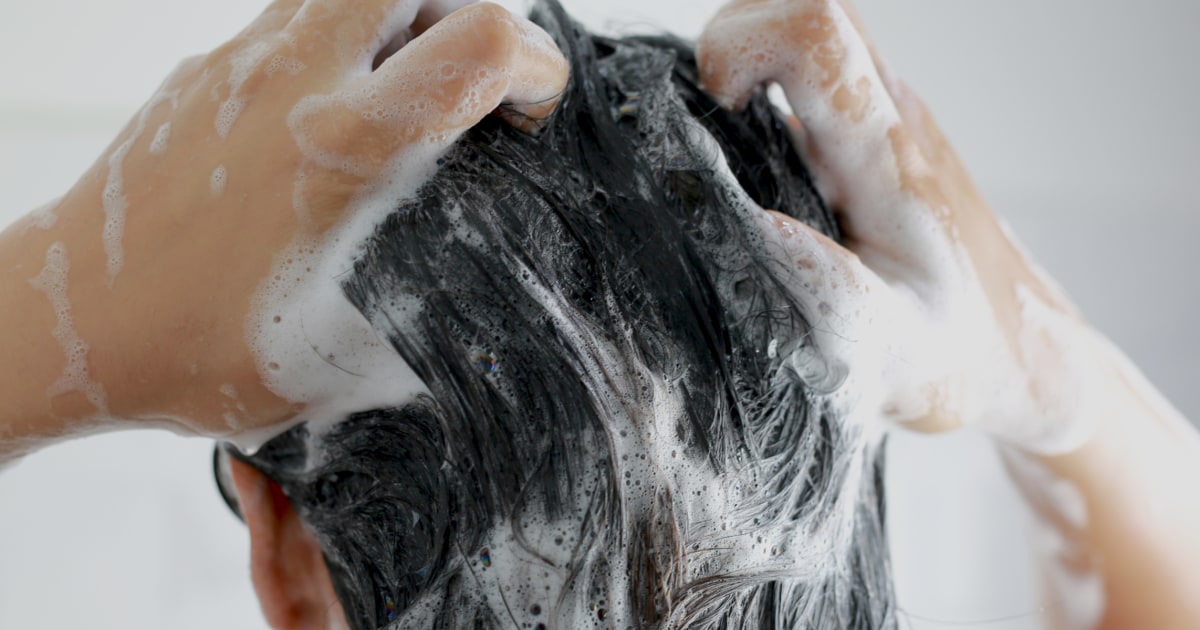
Pregnant people generally do not need to replace an over-the-counter shampoo solely because of pregnancy, dermatologists told NBC Select. The advice matters because dandruff, seborrheic dermatitis and ingredient concerns can send shoppers looking for formulas that avoid certain preservatives, fragrances or medicated ingredients.
Dr. Deirdre Hooper, a board-certified dermatologist at Audubon Dermatology in New Orleans, told NBC Select that she has not advised pregnant patients to change an over-the-counter shampoo because of pregnancy. Hooper said the available data do not support a broad warning against standard nonprescription shampoos.
Dr. Camila K. Janniger, a board-certified dermatologist in Wallington, New Jersey, told NBC Select that scalp problems can appear during pregnancy. NBC Select said those issues can include dandruff and seborrheic dermatitis, a condition linked to dry, flaky scalp.
Products highlighted by NBC Select
NBC Select named Nécessaire The Shampoo its overall pick, citing a recommendation from Dr. Heather Rogers, a board-certified dermatologist in Seattle. The guide said the shampoo includes hyaluronic acid, niacinamide and panthenol, and carries the National Eczema Association’s Seal of Acceptance.
For dandruff, NBC Select highlighted Biolage Scalp Sync Anti-Dandruff Shampoo. Dr. Marisa Garshick, a board-certified dermatologist at MDCS Dermatology in New York City, told NBC Select that its blend of glycolic acid, zinc pyrithione and fermented tea extract is considered safe during pregnancy for redness, flaking and itching tied to seborrheic dermatitis.
NBC Select also listed Seen Shampoo, Fragrance-Free as a scent-free option. The guide said the formula is designed by a dermatologist and is described as free of fragrances, sulfates, phthalates, parabens and silicones, with hemisqualane and bisabolol among its ingredients.
Other options in the guide included Burt’s Bees Baby Shampoo, Community Goods Shampoo Bar and Nizoral Anti-Dandruff Shampoo. NBC Select said Rogers recommends baby shampoos because they are usually gentle, while Garshick described the Community Goods bar as a pregnancy-safe option that cleanses without sulfates. NBC Select said Nizoral uses ketoconazole, an antifungal ingredient used for dandruff, but noted that the product contains fragrance and sulfates.
Ingredients dermatologists discussed
- NBC Select said zinc pyrithione is widely used for dandruff, and multiple experts interviewed by the outlet considered it acceptable during pregnancy.
- Hooper told NBC Select that selenium sulfide is considered safe during pregnancy and works by calming inflammation linked to seborrheic dermatitis.
- Janniger told NBC Select that salicylic acid at lower concentrations for seborrheic dermatitis should be safe; the guide said the FDA allows up to 2% over the counter.
- Janniger told NBC Select that ketoconazole is acceptable in pregnancy and cited European research that did not show infant risk among mothers receiving it.
- Rogers told NBC Select that coal tar is more disputed and recommended avoiding it, citing concerns raised by the EU Annex II Prohibited Substances list, California Proposition 65 and the Campaign for Safe Cosmetics.
NBC Select said some shoppers may want to avoid phthalates and parabens out of caution, although Hooper said evidence does not support warning pregnant patients away from all over-the-counter shampoos. Rogers told the outlet that shampoos spend limited time on skin, which lowers the chance of absorbing unwanted chemicals compared with skin care products.
NBC Select said it independently chooses what to cover and recommend and may earn a commission when readers buy through its links.
This story draws on original reporting from NBC News.