
Dermatologists weigh in on beef tallow as a moisturizer
Beef tallow may help dry skin hold moisture, dermatologists told NBC Select, but it can clog pores and may not suit acne-prone or oily skin.
By Tom Brennan · Health & Medicine Correspondent
3 min read
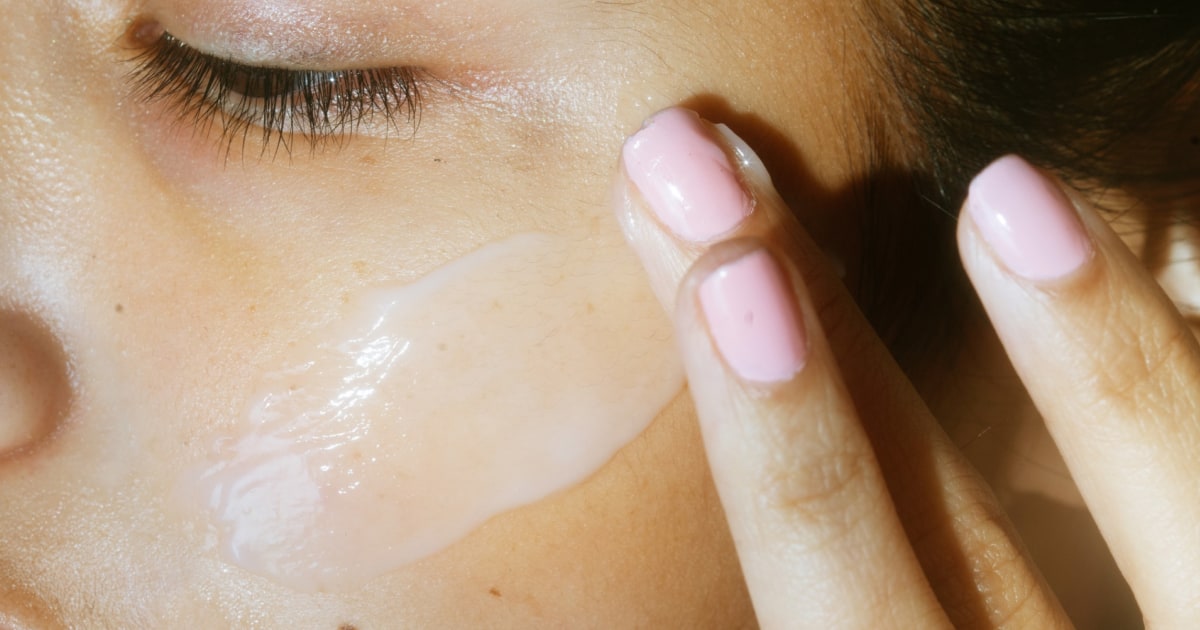
Beef tallow has moved from the kitchen into skin care routines, where some people are using rendered cow fat as a moisturizer. Dermatologists told NBC Select it can help hydrate dry skin, but they also warned that it is not a good fit for everyone.
Dr. Anna Chacon, a board-certified dermatologist in Miami, told NBC Select that beef tallow is animal fat that has been rendered, or clarified. That process removes moisture, which makes the fat more shelf stable and reduces conditions that allow bacteria to grow, according to Chacon.
After rendering, tallow becomes a firm, waxy substance that softens when warmed, NBC Select reported. Dr. Alexandra Bowles, a board-certified dermatologist at MONA Dermatology in Cincinnati, told NBC Select that beef tallow contains fatty acids as well as vitamins A, D, E and K.
Why it may help dry skin
Chacon told NBC Select that tallow contains lipids that can moisturize skin and help form a protective barrier on its outer layer. Bowles said some of the fatty acids in tallow, including oleic acid, are also found naturally in skin and can help retain moisture.
Bowles also told NBC Select that vitamins A and E in tallow may help with skin renewal, scarring and irritation. The dermatologists did not describe tallow as necessary for skin care, and NBC Select noted there are other common moisturizers and oils that can provide hydration.
Who should be cautious
The main concern is pore-clogging, Chacon told NBC Select. Because beef tallow is a thick animal-fat moisturizer, it can be comedogenic, meaning it may block pores.
Chacon said she would not recommend tallow as a moisturizer for people with acne-prone or oily skin. Bowles told NBC Select that people with allergies to animal proteins, especially beef, should be careful before trying it.
Bowles recommended patch-testing any beef tallow product on a small area first and checking with a dermatologist before adding it to a routine. Chacon also told NBC Select that some users may object to tallow’s meaty smell.
How dermatologists suggest using it
For people who still want to try beef tallow, Chacon told NBC Select to look for brands that clearly identify where the tallow comes from. She also advised choosing a clean, grass-fed source.
Chacon said some products combine tallow with oils such as jojoba for added moisture. Bowles told NBC Select that users can warm a small amount in their hands and apply it to clean, slightly damp skin, especially on dry or irritated areas overnight.
If the texture feels too heavy, Bowles said it can be mixed with a lighter moisturizer. NBC Select reported that people who do not have very dry skin should start with once-a-week use and increase only if dryness continues.
Other ways to hydrate skin
Chacon told NBC Select that people seeking plant-derived options can consider coconut, argan or jojoba oil. NBC Select also pointed to moisturizers and face oils made for dry skin that include ingredients such as hyaluronic acid, squalane and niacinamide.
Products formulated with ceramides, niacinamide, vitamin E or noncomedogenic ingredients may also support the skin barrier, according to brand information cited by NBC Select. For people with sensitive, oily or acne-prone skin, the dermatologists’ advice points to a cautious approach rather than treating beef tallow as a universal fix.
This story draws on original reporting from NBC News.