
Gaylord names Jennifer Russo to lead inpatient brain injury service
Dr. Jennifer Russo will oversee inpatient care for stroke, traumatic brain injury and other acquired brain injury patients at Gaylord.
By Tom Brennan · Health & Medicine Correspondent
3 min read
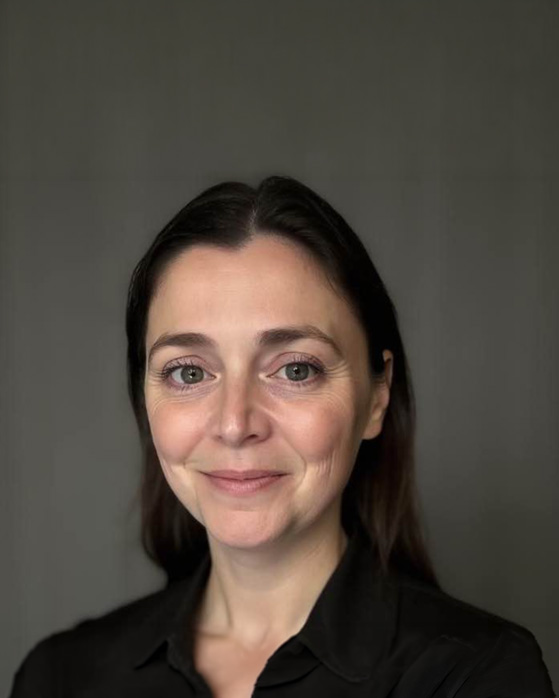
Gaylord Specialty Healthcare has appointed Dr. Jennifer Russo as medical director of its Inpatient Acquired Brain Injury Service, placing a brain injury medicine specialist in charge of a key rehabilitation program. The role covers inpatient care for people recovering from stroke, traumatic brain injury and other acquired brain injuries.
The appointment strengthens leadership in a service line that sits at the center of specialty rehabilitation: helping patients with serious neurological injury regain function after acute medical treatment. Gaylord announced the move as part of its work with patients who need coordinated, inpatient rehabilitation for complex neurological conditions.
Russo joins Gaylord from Kessler Institute for Rehabilitation, where she was associate program director of the Brain Injury Medicine Fellowship and clinical chief of brain injury services. Her background includes stroke rehabilitation, traumatic brain injury care, disorders of consciousness, research and medical education.
Dr. Michael Ivy, Gaylord’s chief medical officer, said Russo’s experience in brain injury medicine and disorders of consciousness would add to the system’s rehabilitation services for patients and families. He described Gaylord’s brain injury and stroke rehabilitation programs as built around specialized, patient-centered care for people with significant neurological challenges.
Russo’s new post will require coordination across an interdisciplinary team, a standard model in inpatient rehabilitation that can include physicians, nurses, therapists and other specialists working from a shared care plan. The inpatient acquired brain injury service in Wallingford treats patients whose recovery needs extend beyond routine hospital discharge planning.
Focus on severe brain injury
A major part of Russo’s clinical and academic work involves disorders of consciousness, an area of brain injury medicine focused on patients who may appear unresponsive after severe injury. Gaylord said her research examines how diagnostic technologies can help identify patients who show signs of awareness that may not be obvious during routine bedside exams.
That condition is known as covert consciousness. In rehabilitation medicine, better detection can affect treatment planning and help clinicians make more informed decisions about a patient’s potential recovery path.
Gaylord said Russo’s work has been presented nationally and centers on bringing neuroscience findings into clinical rehabilitation practice. The goal, according to the organization, is to improve diagnosis, care planning and outcomes for people recovering from brain injury.
Russo said she was drawn to Gaylord’s reputation in rehabilitation and its team-based approach to care. She said she plans to work with staff on patient recovery while supporting research, education and innovation in brain injury rehabilitation.
Russo earned a bachelor’s degree in theater performance from New York University’s Tisch School of the Arts, then completed an accelerated post-baccalaureate premedical program at Columbia University. She received her medical degree from Columbia University Vagelos College of Physicians and Surgeons, completed a general surgery internship at North Shore/Long Island Jewish Hospital, finished a physical medicine and rehabilitation residency at Burke Rehabilitation Hospital, and completed a brain injury medicine fellowship at NYU Grossman School of Medicine’s Rusk Rehabilitation.
Gaylord is a nonprofit, rehabilitation-focused health system headquartered in Wallingford, Connecticut. It is anchored by Gaylord Hospital, a long-term acute care hospital, and also includes outpatient services, physical therapy and the Milne Institute for Healthcare Innovation.