
Cyclospora cases rise as CDC investigates multistate summer surge
The CDC is investigating a rise in cyclosporiasis, an intestinal illness often tied to contaminated fresh produce.
By Tom Brennan · Health & Medicine Correspondent
3 min read
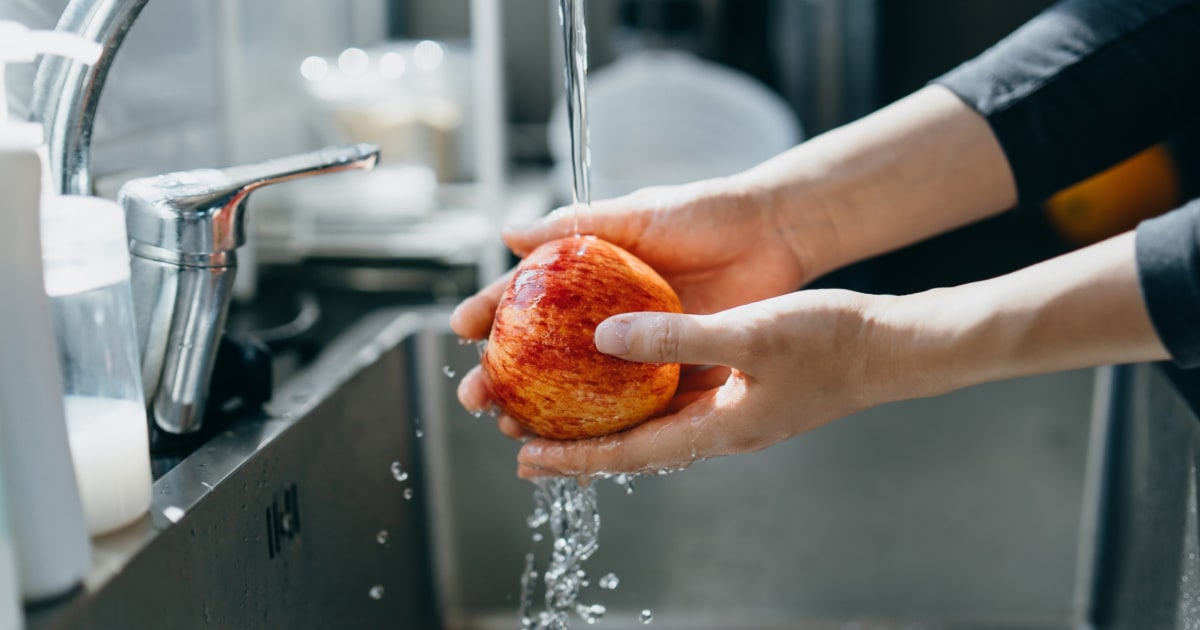
Cases of cyclosporiasis are rising across the United States this summer, and the Centers for Disease Control and Prevention is investigating a multistate increase, NBC News reported. The illness matters for shoppers because U.S. outbreaks have often been linked by the CDC to contaminated fresh produce.
NBC News reported outbreaks in multiple states, with Michigan recording hundreds of cases in recent weeks. Health officials in heavily affected areas have urged residents to take extra care with produce, according to NBC News.
What causes the illness
Cyclosporiasis is an intestinal infection caused by the microscopic parasite Cyclospora cayetanensis, according to the CDC. Experts told NBC News that people get it by eating food or drinking water contaminated with feces.
The CDC says the parasite affects the small intestine. Some infected people do not develop symptoms, but those who do commonly have watery diarrhea with frequent bowel movements, according to the agency.
The CDC also lists cramping, nausea, fatigue and low-grade fever among possible symptoms. Symptoms usually begin two to 14 days after exposure, and the illness can last from several days to a month or longer if untreated, with symptoms sometimes easing and then returning, according to the CDC.
Why produce is a concern
In the United States, cyclosporiasis outbreaks have most often been associated with fresh produce, the CDC says. NBC News cited examples including strawberries, while CDC guidance has linked past outbreaks to items such as basil, cilantro, raspberries and pre-cut salad mixes.
The CDC says the parasite is not usually spread directly from one person to another. After Cyclospora leaves the body in a bowel movement, it needs at least one to two weeks outside the body before it can become infectious, according to the agency.
The infection is uncomfortable and can last a long time, but the CDC says it is usually not life-threatening. The agency advises people with symptoms to contact a doctor, and NBC News reported that antibiotics can effectively treat the infection.
How to reduce risk
The CDC says safe food handling is the main way to reduce exposure. Its advice includes washing fresh produce and scrubbing firm items such as melons and cucumbers under running water before cutting, cooking or eating them.
NBC Select reported that produce brushes can help with firm fruits and vegetables by removing dirt from crevices. It also cited prior expert guidance that berries can be soaked for a few minutes in equal parts white vinegar and water, then rinsed.
Commercial produce washes are sold for cleaning fruits and vegetables, and NBC Select noted that brands market some sprays as a way to remove residue from waxed produce. The CDC guidance cited by NBC Select centers on washing and scrubbing produce rather than relying on any one product.
For leafy greens and berries, NBC Select reported that a salad spinner can help after rinsing or soaking by removing excess water before storage. The core advice from health officials remains basic: handle produce carefully, wash it well and seek medical care if symptoms consistent with cyclosporiasis develop.
This story draws on original reporting from NBC News.