
Cholera deaths worldwide rise as clean water gaps persist
WHO data show reported cholera cases climbed sharply since 2021, with Sudan’s 2026 outbreak exposing the risk when water and hospitals fail.
By Priya Raghavan · Science Reporter
3 min read
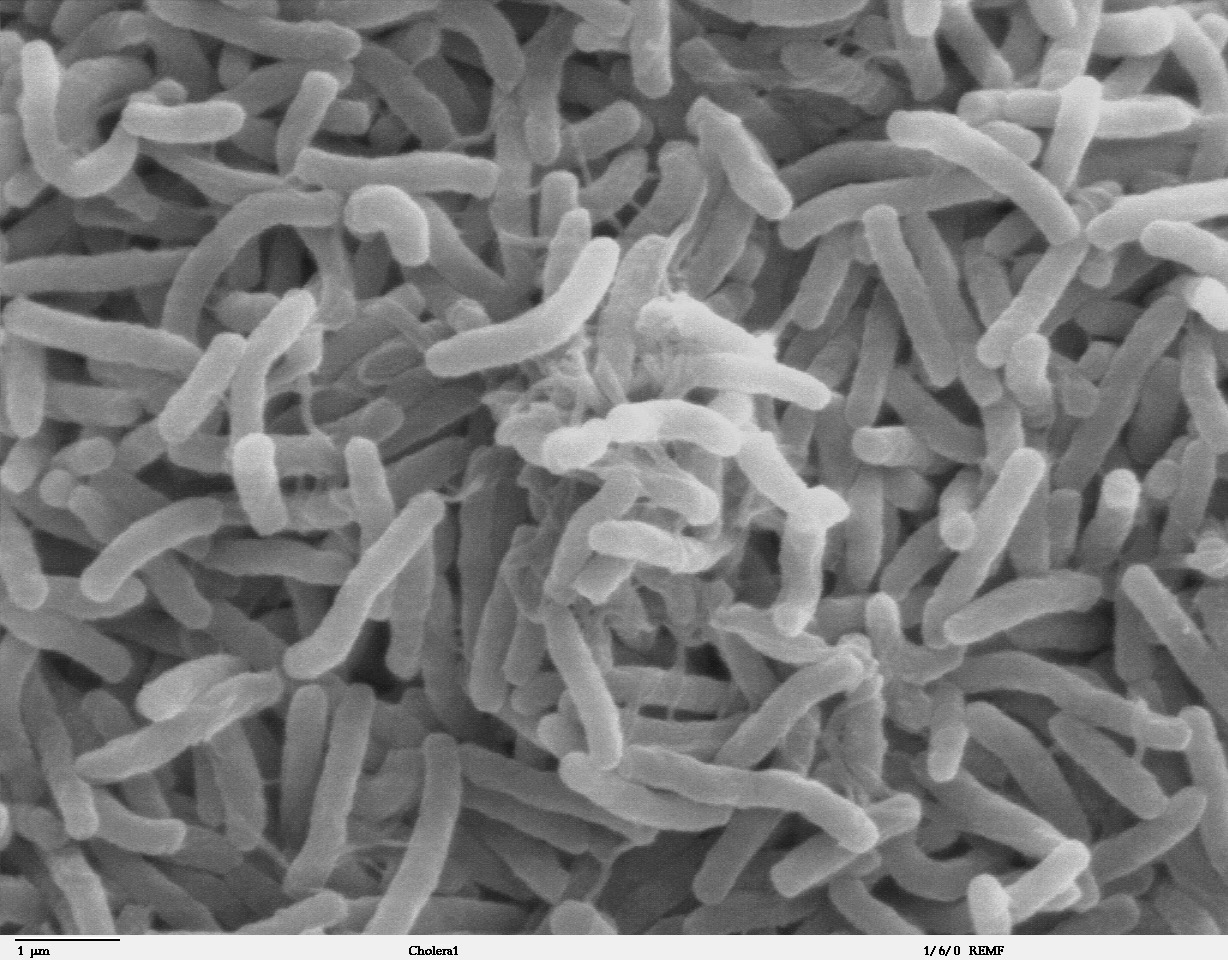
Cholera deaths worldwide have climbed as outbreaks expand in countries where safe water, sanitation and basic treatment are unreliable. World Health Organization figures cited by epidemiologist Katrine L. Wallace in The Conversation show reported cases rose from 223,370 in 2021 to 614,828 in 2025.
The WHO reported nearly 7,600 cholera deaths across 33 countries in 2025, making it the deadliest year for the disease in more than a decade. Wallace wrote that the true toll is probably higher because countries with large outbreaks often lack the lab capacity and surveillance systems needed to count every case.
Cholera is a bacterial infection caused by Vibrio cholerae. The illness can bring severe watery diarrhea, and people can die within hours if dehydration is not treated, according to WHO information cited by Wallace.
Why are cholera deaths worldwide rising?
The rise is tied to failures in water and health systems, according to Wallace and WHO reporting. Rapid urban growth without adequate sanitation, conflict, overwhelmed clinics, floods and droughts can all contaminate drinking water or leave people without treatment.
The WHO estimates that cholera causes about 1.3 million to 4 million cases each year and 21,000 to 143,000 deaths. Reported deaths are concentrated in Africa, which accounted for about 70% of cholera deaths reported in 2025, according to WHO data cited by Wallace.
The disease has become rare in the United States. The Centers for Disease Control and Prevention says the country records fewer than 20 cholera cases annually, with nearly all linked to travel abroad.
Sudan outbreak shows how fast cholera can spread
Sudan’s 2026 outbreak has become a recent example of how conflict can magnify cholera risk. The United Nations reported a new outbreak in the summer of 2026 after years of war damaged hospitals and water systems.
Sudan had declared its previous cholera outbreak over in March 2026, and a vaccination campaign reaching millions had recently ended, according to reports cited by Wallace. By July 10, the new outbreak had caused more than 1,330 confirmed cases and 114 deaths, according to UN and WHO-linked reporting.
Reuters reported that WHO officials put the initial case-fatality rate in Sudan at 13.7%. Wallace wrote that such a high early rate can reflect both severe disruption in health services and the likelihood that surveillance first captures the sickest patients.
The WHO said in April 2026 that 37% of Sudan’s health facilities were not functioning after three years of conflict. In 2024, the WHO reported that nearly one-quarter of global cholera deaths occurred outside health facilities, including at home, in camps or while people were trying to reach care.
Treatment is simple, but access is the barrier
Cholera can often be treated with oral rehydration solution, a mix of clean water, salts and sugar, according to the WHO. Severe cases may require intravenous fluids and antibiotics.
Wallace wrote that functioning treatment centers can keep cholera fatality below 1%, the WHO benchmark for adequate care. South Sudan’s 2024-25 outbreak showed the gap: WHO Africa reported a 0.9% case-fatality rate among patients treated in health facilities, compared with 1.9% across all reported patients, with 47% of reported deaths occurring outside a facility.
Vaccines also help. Wallace cited evidence that a two-dose oral vaccine can protect for several years, but global supply limits have led the WHO-led International Coordinating Group on Vaccine Provision to ration doses in many outbreak settings. During active outbreaks, Wallace wrote, one dose can provide short-term protection and allow more people to be vaccinated.
The WHO and partners have set a goal of cutting cholera deaths by 90% by 2030. Wallace argued that the central tools are already known: clean water, rehydration supplies, vaccines and health systems able to reach patients quickly.
This story draws on original reporting from Medical Xpress.