
Chatbots give uneven answers on alcohol and breast cancer risk
Researchers found chatbot responses varied by prompt, used technical language and sometimes blurred an established cancer link.
By Priya Raghavan · Science Reporter
3 min read
Public chatbots gave inconsistent information when asked about alcohol use and breast cancer risk, according to new research presented by the Research Society on Alcohol. The findings matter because more people are turning to generative AI for health information while U.S. awareness of the alcohol-breast cancer link remains low, the society said.
Allison Brandt Anbari, an assistant professor in the University of Missouri’s Sinclair School of Nursing, led the analysis with colleagues. The work was shared at the 49th annual scientific meeting of the Research Society on Alcohol in San Antonio, Texas, and part of the study was published in the journal Public Health.
The researchers tested how generative AI systems responded to questions about whether and how alcohol contributes to breast cancer. According to the Research Society on Alcohol, the team used question wording drawn from the World Health Organization, the Centers for Disease Control and Prevention and the National Breast Cancer Foundation.
Anbari said the wording differed across those organizations’ websites. The examples included questions asking whether alcohol can cause breast cancer, why alcohol causes breast cancer and how alcohol causes breast cancer.
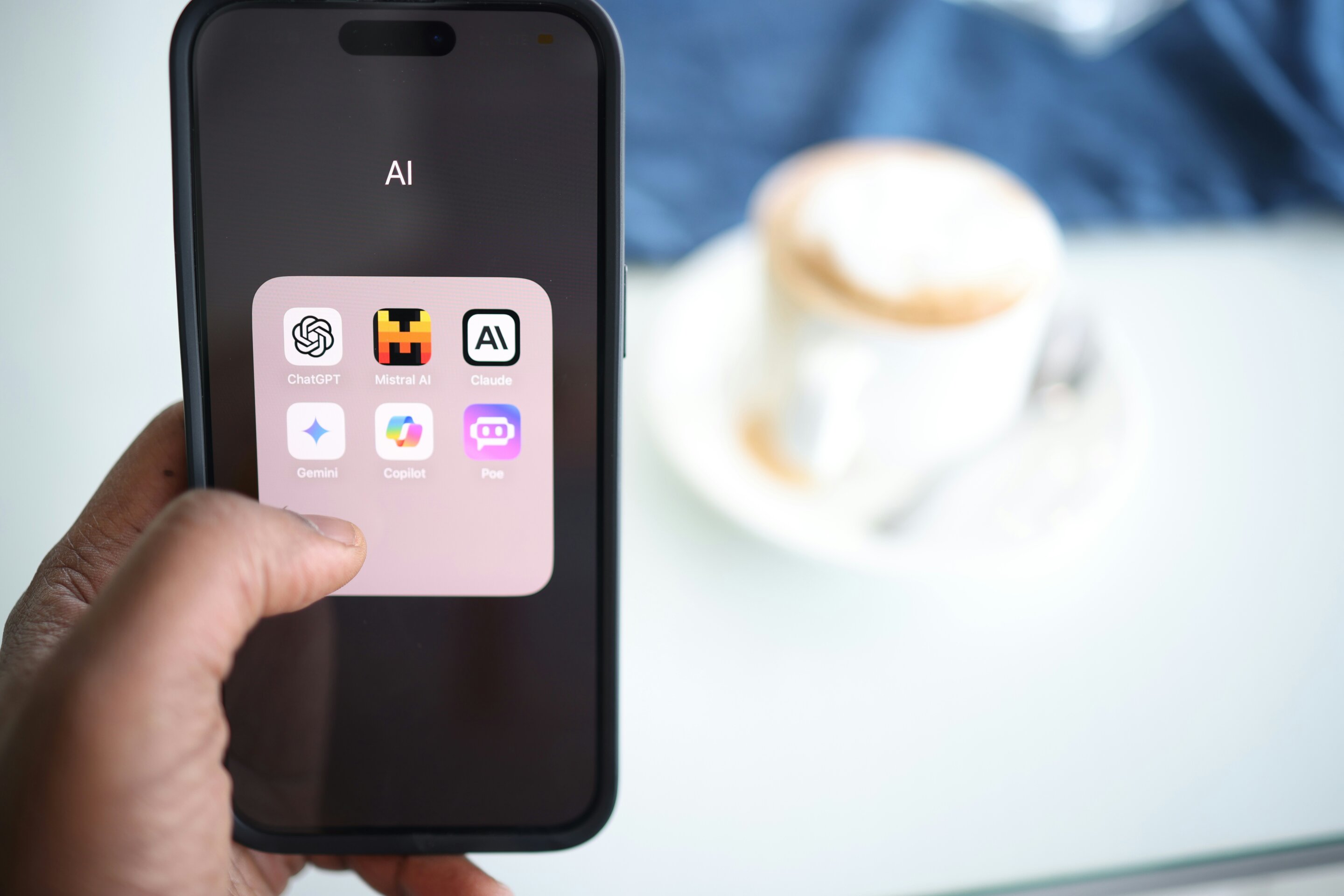
The team entered the three prompts into 22 publicly available chatbot configurations, including systems such as ChatGPT, Gemini and Copilot, according to the Research Society on Alcohol. Researchers then reviewed 66 generated responses.
Responses varied in content and style
Anbari said the analysis found that chatbot answers were uneven in both substance and presentation. Some responses described the science as complex or not fully understood, even though the causal relationship between alcohol consumption and breast cancer is well established, she said.
That kind of answer raised concerns for the researchers because alcohol has been classified as a Group 1 carcinogen since 1988, Anbari said. She said the team wanted a baseline view of what chatbots were telling users, given rising public attention to alcohol-related cancers and persistent gaps in awareness.
The study also found that chatbot answers tended to require college-level reading skills, according to Anbari. She said the responses were often technical and exceeded the National Institutes of Health recommendation that public-facing health information be written at a sixth-grade reading level or lower.
The prompt itself also changed what information appeared in the output, Anbari said. She said the finding shows that health literacy, digital literacy and the ability to write effective prompts are separate issues for people seeking health information online.
Researchers point to public health concerns
Anbari said the variation could create problems for patients and the public if chatbot answers leave out key information or frame the alcohol-cancer relationship inaccurately. She said clinicians and public health stakeholders should be ready to address incomplete or incorrect information that patients may bring from AI tools.
The published paper is titled “Content analysis of output from generative artificial intelligence chatbots when prompted about breast cancer and alcohol consumption.” The citation lists A.B. Anbari and colleagues as authors and carries the DOI 10.1016/j.puhe.2026.106278.
This story draws on original reporting from Medical Xpress.