
Capilea México outlines FUE hair transplant success range
The Tijuana provider says modern FUE methods can support graft survival of 80% to 95% as Mexico draws more hair-restoration patients.
By Priya Raghavan · Science Reporter
2 min read
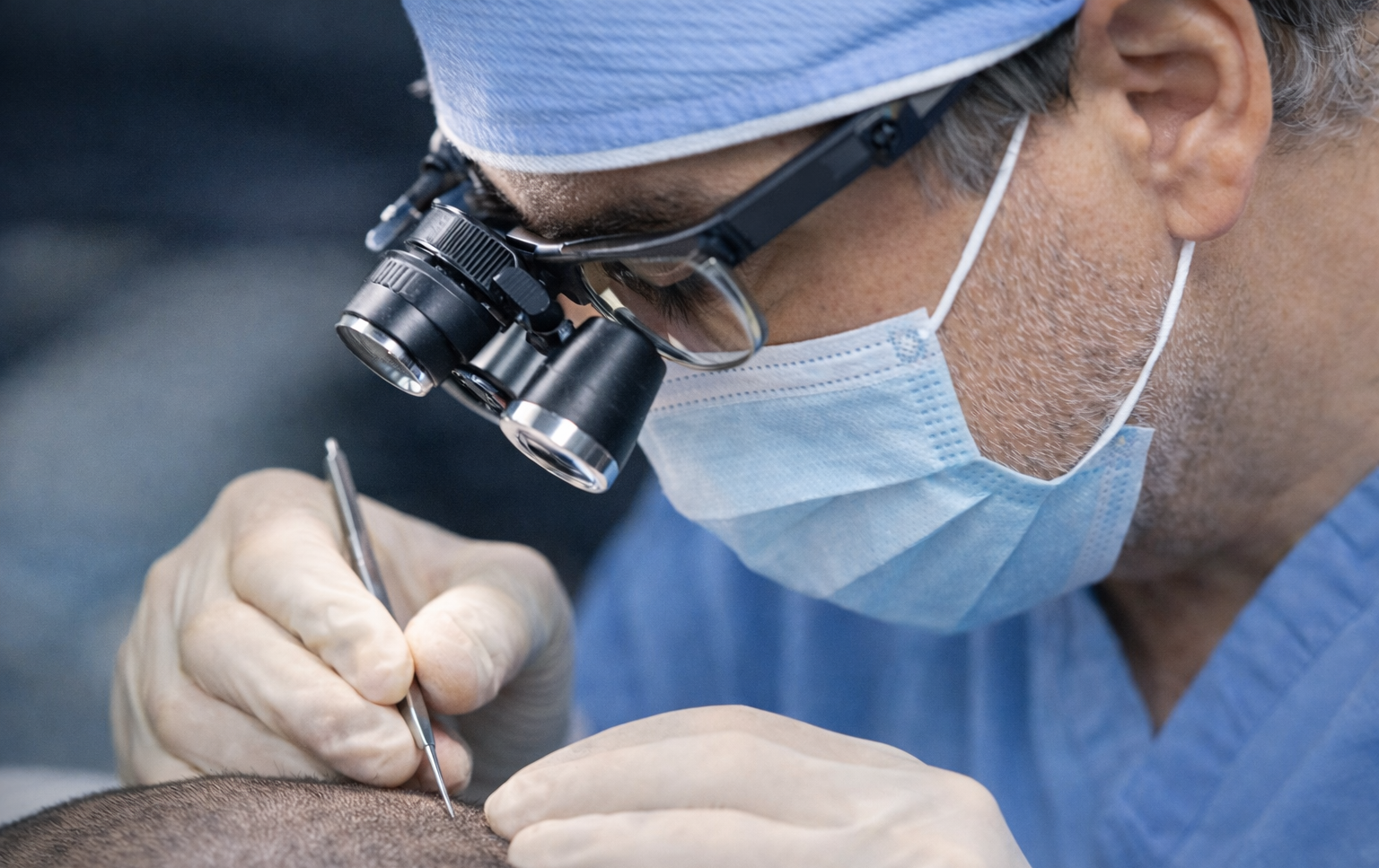
Capilea México has released an overview of follicular unit extraction hair transplantation, putting reported graft survival rates at 80% to 95%. The announcement matters for a health-services market in which patients compare surgical technique, travel distance and cost before choosing where to seek hair restoration.
The Tijuana hair restoration provider focuses on FUE, a method that removes follicular units one by one from donor areas, usually at the back of the head. That approach differs from older strip-surgery methods and has become a common option for patients seeking a less invasive transplant process.
The company describes current results as tied to a combination of next-generation FUE, micro-instrumentation and assisted planning systems. Those tools are used to help doctors map hair density, set implantation angles and control depth as follicles are placed into thinning areas.
Capilea says those technical steps support follicle survival by preserving the harvested units and improving how they are distributed across the scalp. The company’s overview places the expected survival range between 80% and 95%, while linking higher outcomes to surgical planning, equipment and careful handling of grafts.
The announcement also addresses the timeline for visible results. According to Capilea, transplanted follicles generally complete a maturation cycle in about nine to 12 months, after which new growth reaches its final density and stability.
A key part of the company’s explanation is donor-hair selection. Capilea says follicles taken from areas resistant to dihydrotestosterone, or DHT, can remain stable because they retain their genetic characteristics after transplantation.
The release places the technology discussion inside Mexico’s growing role in hair-restoration travel. Medical tourism for elective procedures often turns on a mix of clinical capacity, travel access and cost, and hair transplantation has become one of the services patients weigh across borders.
Capilea points to Mexico’s adoption of modern surgical equipment and specialized hair-restoration practices as reasons more patients are considering the country. The company says patients from the United States and other countries are looking at Mexico as an alternative to longer-haul destinations, including Turkey.
For patients comparing options, the company’s overview frames FUE hair transplant services in Mexico around two issues: whether grafts survive after implantation and whether the final hairline and density look natural. Those questions depend on technique, planning and patient-specific factors, not only the device or procedure name.
The announcement adds to a broader push by clinics in Mexico to position hair restoration as a medical service supported by technology rather than a cosmetic commodity. Capilea’s main claim is that modern FUE methods, paired with micro-tools and planning systems, can improve consistency in harvesting and implantation while supporting long-term follicle stability.