
California researchers use wastewater to measure nicotine use
UC Merced researchers tested sewage in Central Valley communities to track nicotine consumption and support public health education with local data.
By Tom Brennan · Health & Medicine Correspondent
3 min read
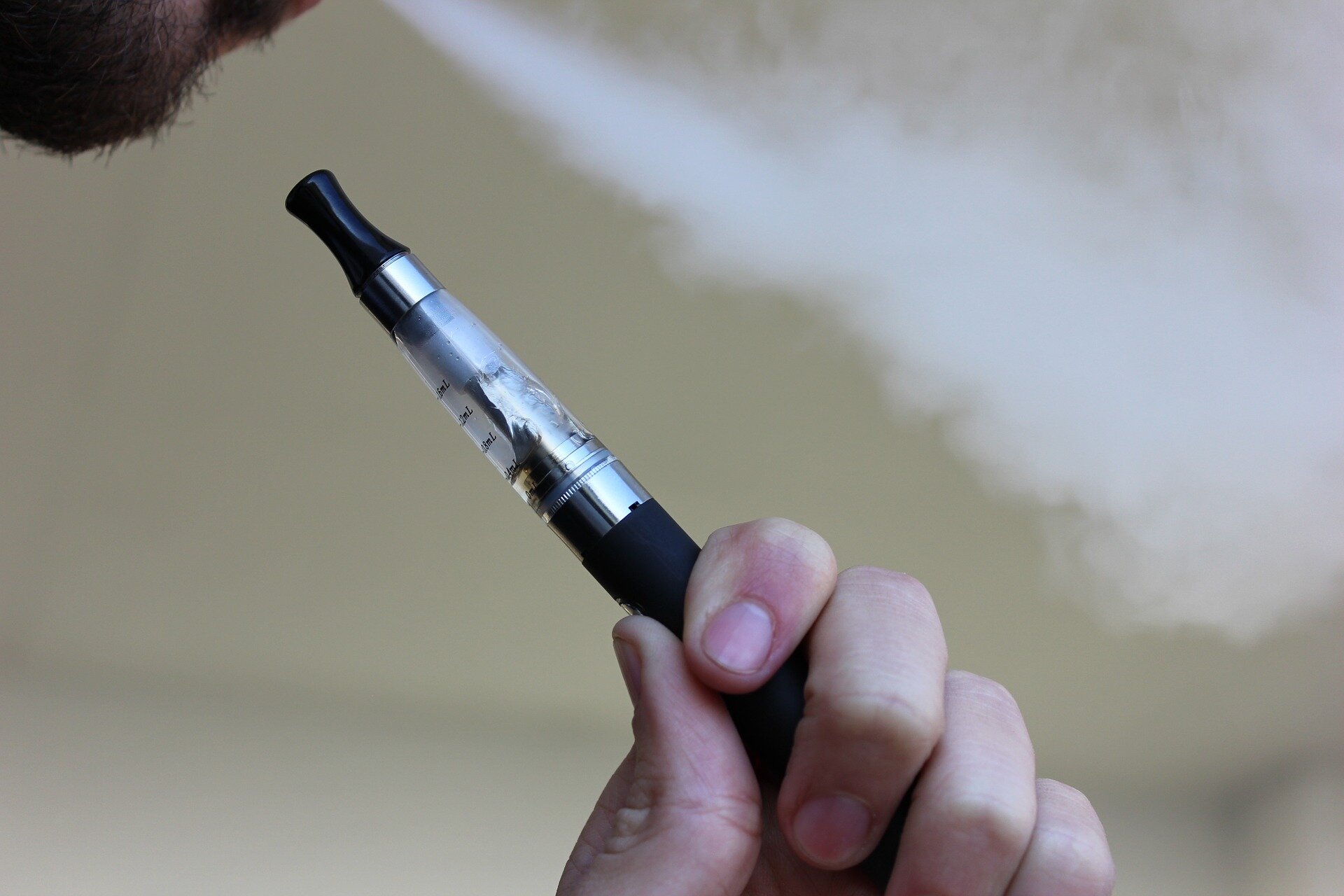
UC Merced researchers have measured nicotine use in several California communities by testing wastewater for chemical traces left after people use tobacco or vaping products. The work matters because it could give public health officials another way to track nicotine consumption in places where surveys and phone calls may miss residents.
The project was led by Professor Colleen Naughton of UC Merced’s Department of Civil and Environmental Engineering, with support from the university’s Nicotine and Cannabis Policy Center and Health Sciences Research Institute, according to UC Merced. Professor Marc Beutel, also in the department, is working with Naughton on the effort.
Naughton said the work appears to be the first use of wastewater testing in California to monitor nicotine, according to UC Merced. The initial sampling covered UC Merced’s sewage system and treatment plants serving Merced, Modesto and Woodland in Yolo County.
Why wastewater can show nicotine trends
Wastewater epidemiology looks for biomarkers that people shed into sewage systems, UC Merced said. The method became better known during the COVID-19 pandemic, when wastewater testing sometimes detected rising infections before hospital admissions increased.
For nicotine, researchers look for compounds produced after the liver processes the drug, mostly in urine, according to UC Merced. Naughton said the tests can distinguish nicotine that has moved through the body from contamination such as ashtray waste dumped into a toilet.
The researchers collected wastewater samples from July through December 2025, UC Merced said. The samples were analyzed at San Diego State University by a team led by environmental health Professor Euhna Hoh using a mass spectrometer, an instrument sensitive enough to measure molecules at very small scales.
UC Merced said student researchers were trained to avoid carrying secondhand smoke on their clothing because a small trace could contaminate a sample. The project is part of a broader plan to expand wastewater nicotine monitoring to other California sites.
What researchers found
UC Merced, which operates as a smoke-free campus, showed lower nicotine concentrations than the three municipal communities, according to the university. Naughton said the campus data showed a rise in late October, during midterm exams.
The three municipal wastewater plants showed similar total nicotine consumption data, UC Merced said. When paired with census numbers, the data could suggest smokers in Merced use cigarettes nearly twice as often as those in Modesto and Woodland, but Naughton cautioned that wastewater results cannot identify individual behavior.
“It’s a population sample of thousands of people,” Naughton said, according to UC Merced. “It’s about trends.”
The federal Centers for Disease Control and Prevention reported that 9.9% of U.S. adults smoked cigarettes in 2024, while the rate was about 16% in non-metropolitan areas, UC Merced said. The university described tobacco use as a major health concern in rural parts of the Central Valley.
Naughton said the team wants to improve its ability to separate cigarette use from vaping, UC Merced reported. Researchers are also watching newer products, including nicotine pouches, that could affect overall nicotine consumption.
Naughton said the approach could help underserved Central Valley communities where health care is limited and smoking contributes to heart and lung disease, according to UC Merced.
This story draws on original reporting from Medical Xpress.