
Brain bank study links MS severity to distinct tissue patterns
Researchers found that brain damage, repair capacity and genetics may help explain why multiple sclerosis progresses differently among people.
By Priya Raghavan · Science Reporter
3 min read
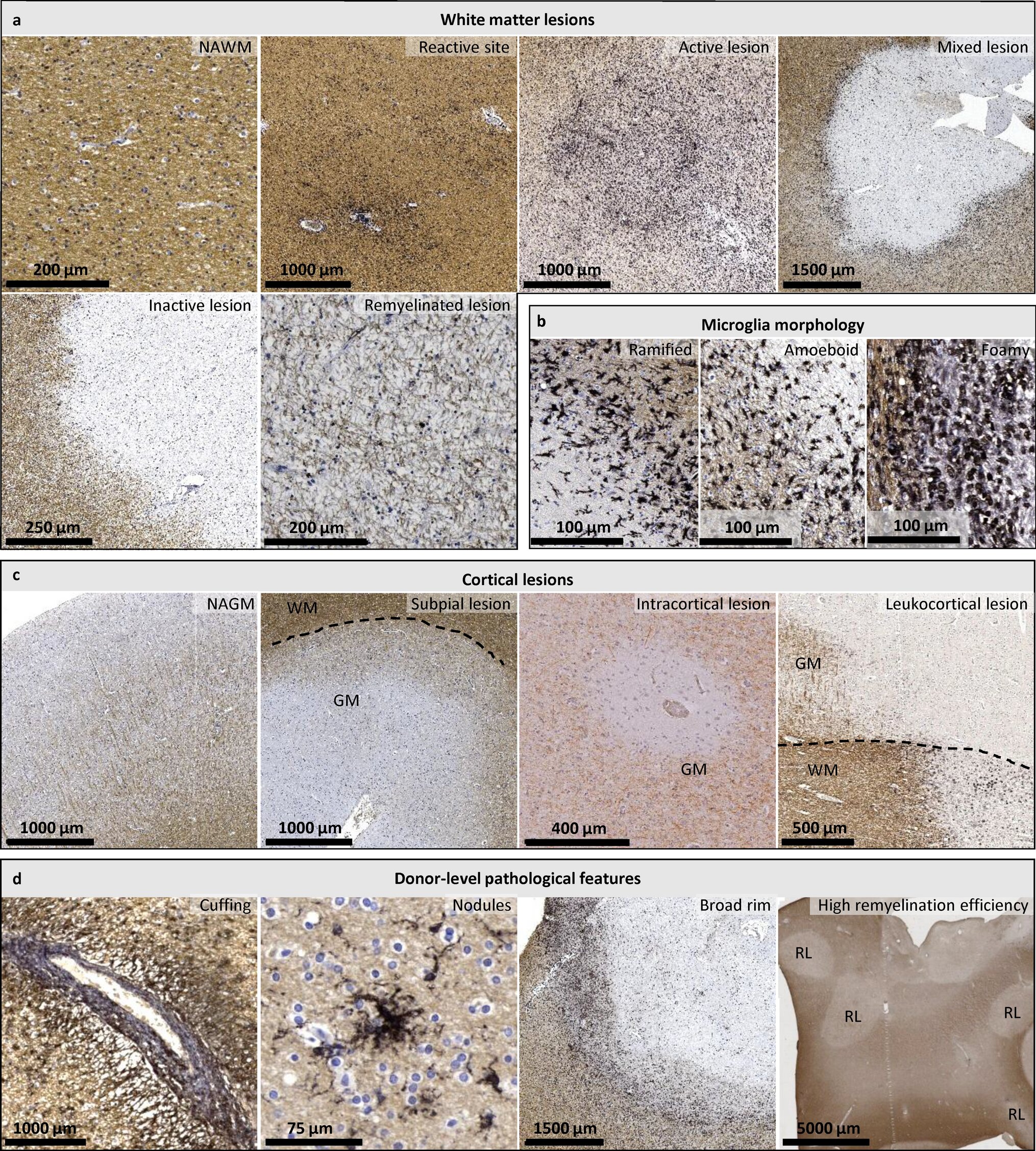
Researchers in the Netherlands have identified brain tissue patterns tied to how severe multiple sclerosis becomes in different people. The findings may help explain why the disease advances quickly in some cases while remaining more stable in others.
The Netherlands Institute for Neuroscience said the study examined pathological, clinical and genetic data from 287 people with MS who donated their brains to the Netherlands Brain Bank. The institute described the dataset as the largest well-characterized MS pathology cohort now available.
The work, led by first authors Lukas Lütje and Alida Chen in the Huitinga group, was published in Acta Neuropathologica. The researchers set out to test whether distinct patterns of damage and repair in the brain could be linked to the varied course of MS.
Four tissue features studied
The team focused on four characteristics seen in MS brain tissue, according to the Netherlands Institute for Neuroscience. They included inflammation around blood vessels, clusters of immune cells in the brain, broad rim lesions and the brain’s ability to restore myelin.
Myelin is the protective covering around nerve fibers, and damage to it is a central feature of MS. The researchers compared these tissue findings with lesion activity, repair patterns, genetic background and clinical information from the donors.
The study found that the four characteristics were associated with different profiles of disease activity and tissue damage, the institute said. People whose brains showed broad rim lesions were more likely to have had a more severe disease course.
The researchers also found that donors with weaker myelin repair capacity had more chronic tissue damage. The institute said those findings point to biological differences that may shape how MS develops from one person to another.
Genetic links
The study also connected some tissue patterns with genetic variation. Genetic variants already known to raise the risk of developing MS appeared more often in donors with inflammation around blood vessels and clusters of immune cells in the brain, according to the researchers.
That pattern suggests a person’s genetic background may help drive inflammatory processes in the brain, the Netherlands Institute for Neuroscience said. Another genetic variant previously linked to faster MS progression was seen more frequently in people with broad rim lesions.
The researchers said the results support the view that MS does not follow a single biological pathway in every person. Instead, different inflammatory and repair mechanisms may dominate in different individuals, contributing to different clinical outcomes.
The study is basic research and does not present a new diagnostic test or treatment. The Netherlands Institute for Neuroscience said the next step is to find biomarkers that can detect these tissue patterns in people living with MS.
Such biomarkers could help doctors track disease processes over time and may eventually support more individualized treatment strategies, according to the institute. The researchers concluded that identifying which biological processes are active in each person will be needed to develop more personalized MS care.
This story draws on original reporting from Medical Xpress.