
Blocked gut makes newborn fruit flies sleep rather than eat
University of Basel researchers say a fruit fly gut defect links waste elimination, feeding, sleep and early survival.
By Priya Raghavan · Science Reporter
3 min read
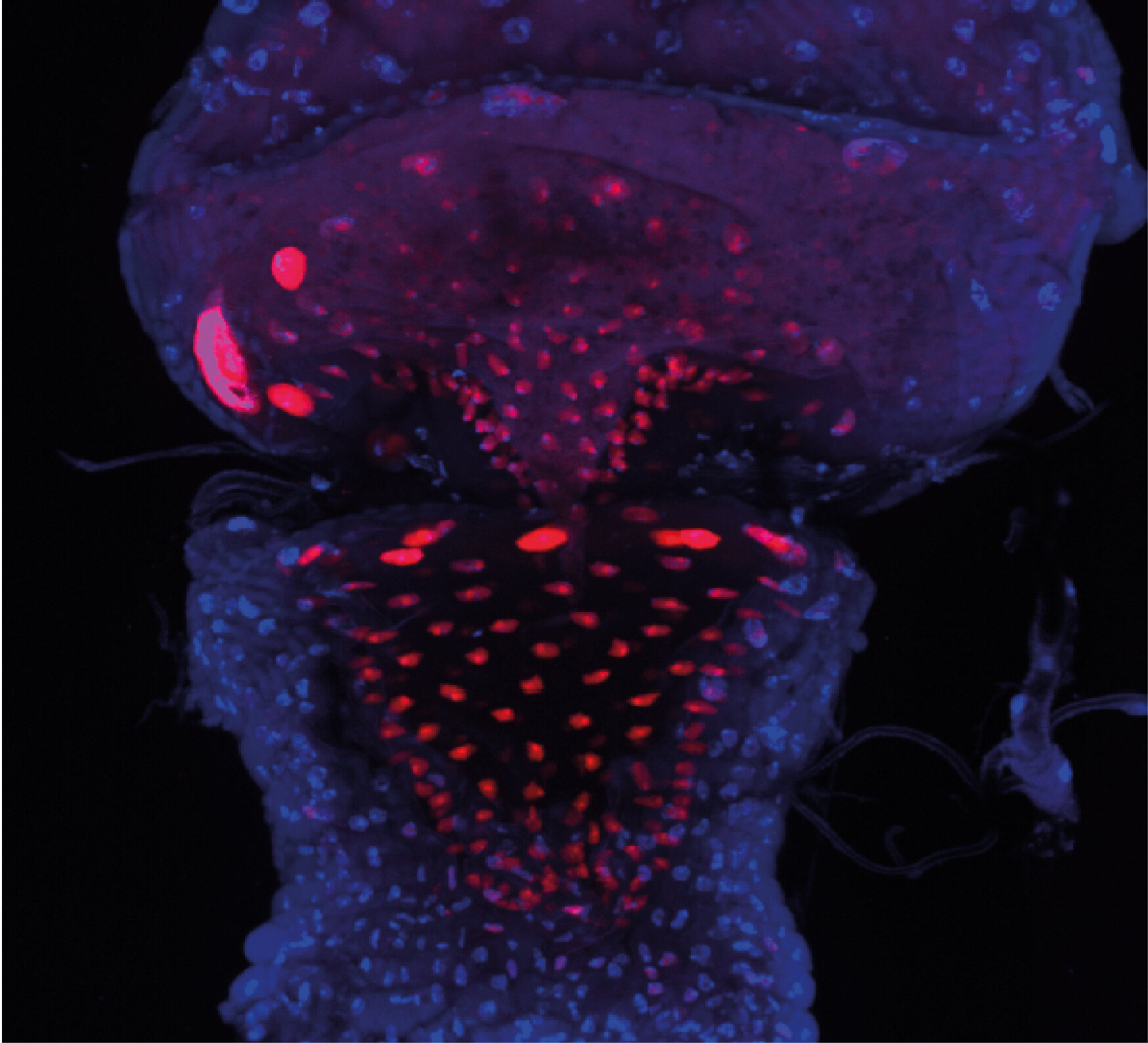
Newborn fruit flies with an intestinal blockage sleep for unusually long periods instead of eating, University of Basel researchers report. The finding matters because it points to gut signals that may help control feeding, sleep and survival shortly after birth.
The work, published in Science Advances, examined the first hours after Drosophila melanogaster hatch. According to the University of Basel team, young flies normally begin feeding only after they have partially cleared meconium, the metabolic waste produced before independent feeding begins.
Prof. Anissa Kempf’s group at the Biozentrum, University of Basel, found that flies with blocked intestines could not expel that waste. The researchers said those flies avoided food, became lethargic, slept longer than normal and died early.
A century-old gene clue
The team traced the obstruction to defects in the apterous gene, which has been known since 1914 for its role in wing development in fruit flies. Scientists had also observed more than a century ago that flies with this defect died young, according to the University of Basel.
Kempf said the new study identifies the cause of that early death: the same gene defect that disrupts wing formation also interferes with hindgut development. That developmental problem creates an intestinal blockage that prevents the flies from clearing meconium after hatching.
First author Cindy Reinger said the affected flies appear hungry but still do not feed. The researchers proposed that increased sleep may help the animals conserve energy and live longer while the blockage remains unresolved.
Reinger also reported that the sleeping flies moved their proboscis rhythmically. The team suggested this movement may stimulate gut motion and could represent an attempt to clear the obstruction.
The blockage forms in early development
In healthy flies, four rectal papillae form during early development, according to Reinger. The structures help reabsorb water and reduce water loss.
In the mutant flies, the researchers found that the normal papillae did not form. Instead, a plug-like structure developed in the hindgut and completely blocked the intestine. The team named the structure Reinger’s knot.
The University of Basel said the findings show that gut function is tied to feeding, sleep and survival in the young flies. The study also leaves open several questions, including how the intestine communicates with the brain, how gut signals influence sleep and how the body determines when feeding should start.
Possible relevance beyond flies
The researchers noted that several signs seen in the flies resemble symptoms of intestinal obstruction in humans. Those include constipation, appetite loss, lethargy, gut swelling and tissue damage that can contribute to intestinal rupture.
The study does not show that the same mechanism operates in people. The University of Basel said fruit flies remain useful for studying gut-brain communication because they share many biological processes with humans and can help researchers test how digestive disorders affect behavior.
The paper is titled “Intestinal obstruction impairs feeding and promotes sleep in Drosophila melanogaster.” Its authors include Cindy Reinger and colleagues, and it was published in Science Advances with DOI 10.1126/sciadv.ady2183.
This story draws on original reporting from Medical Xpress.