
Bee Naturals launches bakuchiol serum for retinol-sensitive shoppers
The new Retin BN serum pairs bakuchiol with 7% niacinamide and is aimed at users who want retinol-like skin benefits with fewer irritation concerns.
By Tom Brennan · Health & Medicine Correspondent
3 min read
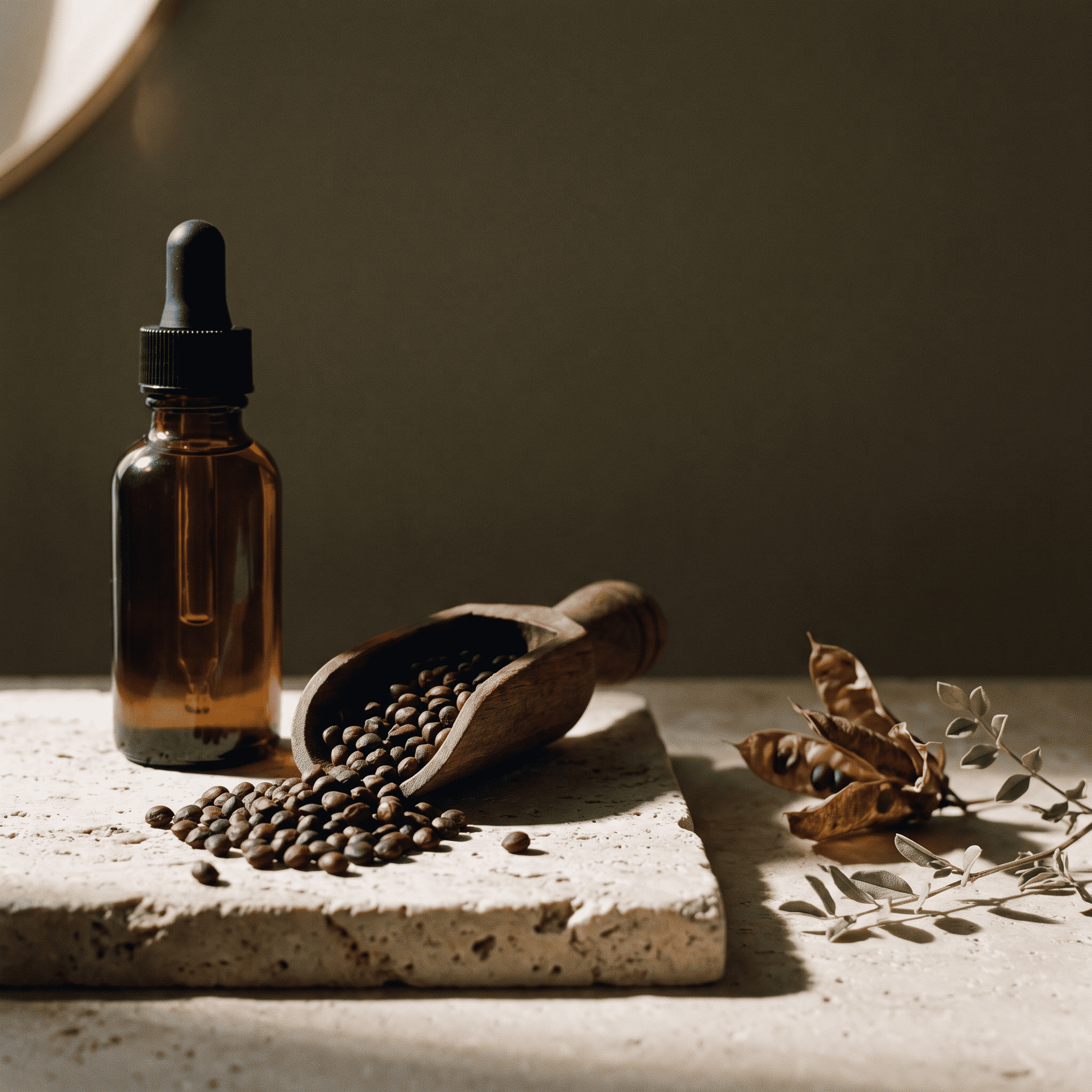
Bee Naturals has introduced Retin BN Bakuchiol + 7% Niacinamide, a facial serum aimed at consumers who want retinol-like skin-care benefits without using a retinoid. The launch lands in a crowded anti-aging category where irritation remains a common barrier for people with reactive or rosacea-prone skin.
The product combines bakuchiol, a plant-derived compound from the seeds of Psoralea corylifolia, with niacinamide, a form of vitamin B3. Bee Naturals positions the serum as a gentler option for sensitive skin rather than as a replacement for prescription tretinoin.
The dermatology distinction is central to the pitch. Bakuchiol is described in the announcement as retinol-functional, meaning it can behave in some ways like retinol while having a different chemical structure from vitamin A retinoids.
Retinol must be converted in the skin into retinoic acid before it binds to nuclear receptors involved in collagen production and cell turnover. Bakuchiol does not follow that same pathway, according to the research summary cited by Bee Naturals, yet it has been shown to affect some overlapping targets.
What the studies cited by the brand found
A 2014 study in the International Journal of Cosmetic Science found that bakuchiol activated many of the same genetic targets associated with retinol activity, including collagen types I and III and enzymes involved in how skin handles retinoic acid. That finding is part of why bakuchiol has become a common ingredient in products marketed to users who struggle with conventional retinoids.
The release also cites a 2019 British Journal of Dermatology trial comparing 0.5% bakuchiol cream with 0.5% retinol. The randomized, double-blind study followed 44 people for 12 weeks and reported similar reductions in wrinkle surface area and pigmentation, with results appearing closer to the 12-week mark.
The difference showed up in tolerability: participants in the retinol group reported more stinging and scaling, according to the study summary in the announcement. That side-effect profile is the basis for positioning bakuchiol and niacinamide serum for sensitive skin as a lower-irritation alternative in daily skin-care routines.
Niacinamide supports that angle. The release links the ingredient to reduced water loss through the skin barrier, a claim often used in products designed for dryness, redness or sensitivity concerns.
Why formulators are watching bakuchiol
The timing also reflects a broader shift in cosmetic formulation. The announcement points to Commission Regulation (EU) 2024/996, which sets new limits on retinol concentrations in cosmetics, including ceilings as low as 0.05% in certain leave-on products, with transition periods extending toward 2027.
Bakuchiol does not carry a comparable cap in the regulation cited by Bee Naturals. For beauty brands, that makes the ingredient useful in products that seek retinol-like positioning while avoiding some of the regulatory and irritation issues tied to retinoids.
Bee Naturals, a U.S. skin-care brand that sells products including cleansers, sunscreens, masks, toners, exfoliators and anti-aging creams, is adding the serum to a market where “retinol alternative” products have become common. The company’s framing is narrower than some beauty marketing: bakuchiol is presented as more tolerable, not stronger than retinol or prescription retinoids.