
Study links alcohol cravings for chips to protein appetite
Researchers say alcohol may intensify a protein-seeking appetite, making savory ultra-processed snacks easier to overeat.
By Priya Raghavan · Science Reporter
3 min read
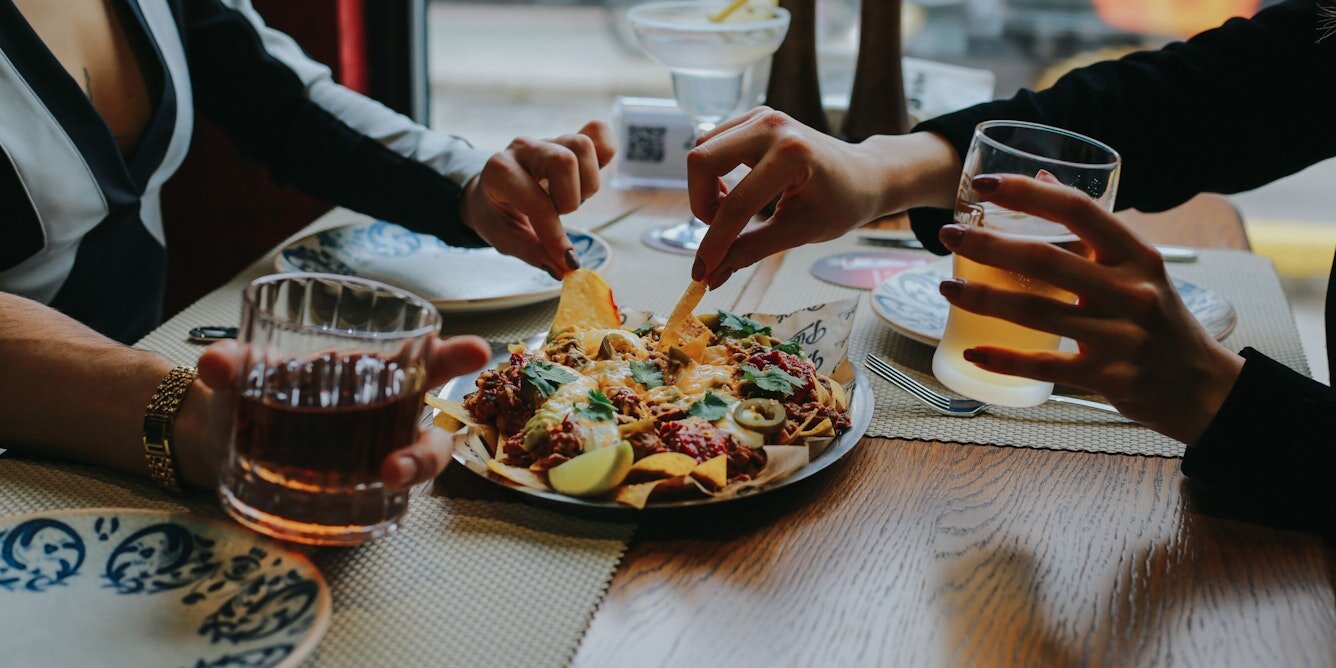
A study of Australian diets links alcohol use to stronger demand for savory foods, especially snacks that imitate protein without supplying much of it. The finding offers a biological explanation for late-night chips, nachos and pizza, and points to one way alcohol can add calories beyond the drink itself.
David Raubenheimer, Amanda Grech and Stephen J. Simpson, writing in The Conversation, said alcohol is energy-dense and can also stimulate appetite. Their new study found alcohol consumption was associated with eating more savory foods, with calorie intake depending on whether people chose protein-rich whole foods or ultra-processed alternatives.
How alcohol may affect hunger
The researchers said earlier work showed humans and other animals have a specific appetite for protein. When the body detects too little protein, the liver releases a hormone called FGF21, which signals the brain to seek savory, protein-rich foods and avoid sweet foods, according to the researchers.
They said alcohol can trigger the release of FGF21, which may help explain the long-recognized aperitif effect, in which drinking before or during a meal increases appetite. Scientists have also shown that this effect is directed toward savory foods, the researchers said.
That mechanism may have made sense when savory flavor usually came from protein-rich foods such as meat, seafood, poultry and pulses. The researchers said the modern food supply complicates that signal because many ultra-processed products are salty or savory while being low in protein and high in fat and carbohydrates.
Protein cues without much protein
Raubenheimer, Grech and Simpson describe those foods as “protein decoys.” They said chips, savory crackers, pizzas and hot dogs can give the sensory impression of protein-rich food while delivering more energy from fats and carbohydrates.
In the study, alcohol use was linked with higher intake of savory foods. When people chose whole savory foods such as lean meat, poultry or pulses, protein intake was higher but total calories were not elevated despite the calories from alcohol, according to the researchers.
The pattern differed for diets rich in ultra-processed savory foods and fatty meats. In those cases, the researchers said energy intake rose above normal levels, raising the risk of weight gain.
The researchers connected the finding to the protein leverage mechanism, in which people may eat more food to reach the body’s protein target. They said diets high in ultra-processed foods have also been associated with excess calorie intake and weight gain even without alcohol.
How the study was done
The team modeled the links among FGF21, alcohol and protein appetite in diets made up of more processed or less processed foods. They then tested the model using daily diet records from 9,337 adults in the Australian Adult Health Survey.
About one-third of those adults reported drinking alcohol on the survey day, according to the researchers. They called the approach mechanistic ecological modeling, a method intended to connect biological mechanisms seen in experiments with real-world eating behavior.
The researchers noted that Australia has high intake of alcoholic drinks, ultra-processed foods and obesity. For people who drink regularly, they advised treating savory cravings as a signal that the body is seeking protein and choosing options such as lean cold meats, roasted chickpeas, eggs or seafood rather than fat- and carbohydrate-heavy snacks.
This story draws on original reporting from Medical Xpress.