
Yum Brands to sell Pizza Hut in $2.7 billion split deal
LongRange Capital will buy most of Pizza Hut, while Yum China takes the mainland China business, Yum Brands said Tuesday.
By Daniel Okafor · Business Editor
3 min read
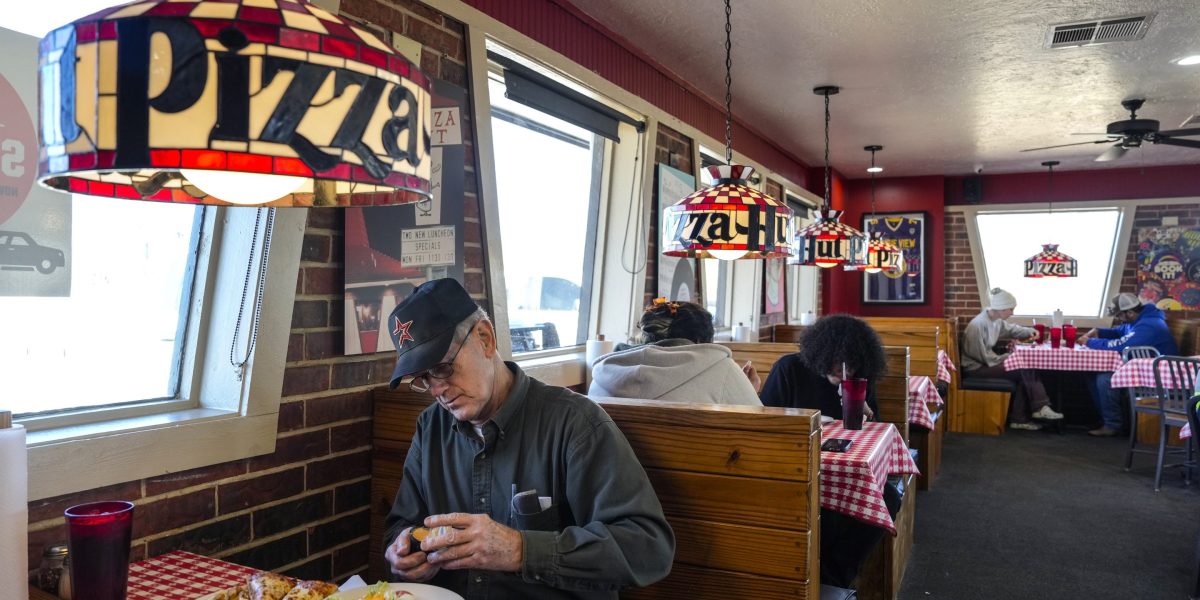
Yum Brands said Tuesday it will sell Pizza Hut in transactions valued at about $2.7 billion, handing most of the chain to private equity after years of pressure on the business. The deal matters because it separates a once-dominant restaurant brand from the owner that still runs KFC and Taco Bell.
Yum Brands said private equity firm LongRange Capital will buy Pizza Hut for about $1.5 billion. Yum China Holdings will acquire Pizza Hut’s mainland China locations in a separate transaction worth about $1.2 billion, according to Yum Brands.
The sale follows a review that Yum Brands began in November 2025, Fortune reported. Fortune said Pizza Hut had lost ground to rivals, especially Domino’s, which passed it as the world’s largest pizza chain in 2017.
A chain that fell behind
Pizza Hut has spent years shrinking parts of its U.S. footprint, according to Fortune. In 2018, the company said it planned to close 500 of nearly 7,500 locations by mid-2021, and in 2020 it said as many as 300 additional restaurants would close after the bankruptcy of major franchisee NPC International.
Fortune reported that Pizza Hut had 19,974 restaurants worldwide at the end of last year. The chain now has nearly 1,500 fewer U.S. restaurants than it did at its early-1990s peak, according to Fortune.
Pizza Hut began in 1958, when Wichita State University students Dan and Frank Carney opened the business with a $600 loan from their mother, Fortune reported. The company went public in 1969 and became the largest global pizza chain two years later, according to Fortune.
Neil Saunders, managing director of GlobalData Retail, told Fortune that private equity ownership could lead to investment in Pizza Hut’s restaurants and offer, or to an effort to extract more value from the brand. “It’s anyone’s guess as to what private equity does,” Saunders told Fortune.
Private equity record draws scrutiny
Private equity firms have been active buyers of restaurant businesses. Fortune reported, citing PitchBook data, that private equity firms invested $94.5 billion in restaurant-related deals from 2014 through 2024.
Fortune cited Red Lobster as one cautionary example. Golden Gate Capital bought Red Lobster from Darden Restaurants in 2014 and financed the deal by selling real estate tied to about 500 locations and leasing it back, a structure Fortune said increased annual rent costs by about $200 million.
Red Lobster filed for Chapter 11 bankruptcy in 2024 and later emerged under new ownership led by CEO Damola Adamolekun, Fortune reported. Fortune also reported that Hooters cofounder and CEO Neil Kiefer bought back more than 100 Hooters locations from private equity last year, saying prior owners had pushed the chain away from his original family-friendly beach-restaurant concept.
Nostalgia alone may not solve it
Pizza Hut’s older dine-in identity remains part of the brand. Fortune reported that more than 150 franchise locations have been revived as Pizza Hut Classics, using details such as red cups, arcade games and vinyl seats to echo the chain’s 1980s style.
Saunders told Fortune that the nostalgia has some appeal, but he said Pizza Hut’s new owner will also need to address the menu, restaurant sites and technology. He told Fortune that Domino’s benefited from its takeout model, pickup locations and tools such as its pizza tracker, while Pizza Hut lost relevance with diners.
Yum Brands’ remaining major chains have fared better under the company, according to Fortune, which said KFC and Taco Bell have continued to perform. Pizza Hut’s next chapter will now be shaped by LongRange Capital outside Yum’s core restaurant portfolio.
This story draws on original reporting from Fortune.