
Winery cofounder starts fund for glioblastoma families’ care costs
Kim Busch’s Grapes for Glioblastoma pays for travel, caregivers, meals and home changes tied to the aggressive brain cancer.
By Sofia Marchetti · World Affairs Correspondent
3 min read
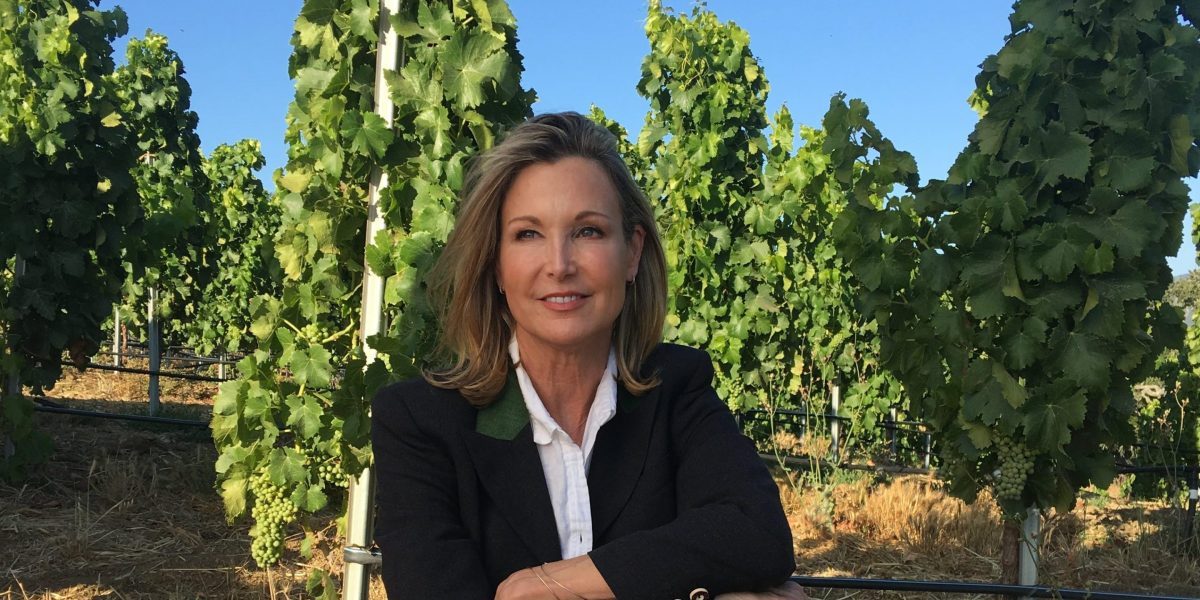
Kim Busch, cofounder of California winery Folded Hills, has started a nonprofit fund to pay for everyday costs faced by families dealing with glioblastoma, Fortune reported. The effort focuses on bills that cancer research donations often do not cover, including caregivers, lodging, travel and home modifications.
Busch created Grapes for Glioblastoma after her husband, Andy Busch, was diagnosed with the aggressive brain cancer in August 2023 following a seizure, according to Fortune. She told Fortune the couple saw other patients in medical settings who could not afford to have relatives with them or pay for practical help during treatment.
The Busches could drive to appointments, stay in hotels before early scans and hire a driver after Andy’s seizures made driving unsafe, Fortune reported. Kim Busch said those options were available because of their resources, including the Folded Hills business and the family’s connection to the Anheuser-Busch brewing dynasty.
According to information cited by Fortune from the National Center for Biotechnology Information, glioblastoma is the most common and aggressive primary brain tumor in adults. The cited medical information puts median survival with treatment at about 12 to 16 months and the five-year survival rate below 10%.
Andy Busch’s tumor was deep in his temporal lobe and could not be operated on, Fortune reported. More than two and a half years after diagnosis, he has outlived typical expectations for the disease, and Kim Busch credited research with helping keep him alive while saying her own giving is aimed elsewhere.
Help with costs outside insurance
Grapes for Glioblastoma pays for expenses such as transportation to medical centers, hotel stays, meals, childcare, caregiving support and changes to homes, including chair lifts, Fortune reported. Kim Busch told Fortune those needs can cost families from hundreds to several thousand dollars a month and are not covered by insurance.
The fund operates through a fiscal sponsorship with the Los Angeles-based Edward Charles Foundation, according to Fortune. Because of its structure, it does not send money directly to patients; payments go to caregivers, contractors or service providers.
Fortune reported that the fund had helped two grantees so far. One early recipient was a Colorado man whose wife has glioblastoma; after the couple’s planned caregiver, their daughter-in-law, died suddenly, Busch said the fund arranged support within days, allowing him to visit grandchildren he had not seen in months.
A winery tied to the cause
Folded Hills, near Santa Barbara in the Santa Ynez Valley, is a 600-acre ranch, vineyard and farmstead that Kim and Andy Busch launched in 2017, Fortune reported. Kim Busch had left the business in May 2020 but returned after Andy’s diagnosis, which Fortune said reflected a common reality for families affected by glioblastoma when patients can no longer work.
Busch told Fortune the winery is now led entirely by women, including its general manager, chief financial officer, hospitality director, wine club manager and winemaker. She said the arrangement stands out in a wine industry where men still dominate ownership and winemaking.
Giving was already part of Folded Hills before the new fund, according to Fortune. The winery’s monthly Philanthropy Friday program donates all proceeds to a featured charity and gave more than $200,000 in 2025; since May 1, Kim Busch said 10% of every bottle sold has gone to Grapes for Glioblastoma.
Fortune reported that Andy Busch is the son of August “Gussie” Busch Jr., who built Anheuser-Busch into the world’s largest brewery. Kim Busch declined to discuss the family’s net worth and told Fortune the family name is not the focus of the philanthropy.
Busch said she expects more families to seek help as awareness of the fund grows, Fortune reported. The fund remains small, but its purpose is specific: paying for care needs that can decide whether a patient can stay safe at home or have family nearby during treatment.
This story draws on original reporting from Fortune.