
Whey protein prices climb as demand strains dairy supply
Food-grade whey prices have surged on U.S. and European markets as protein claims spread across supermarket shelves.
By Maya Lindqvist · Senior Technology Correspondent
4 min read
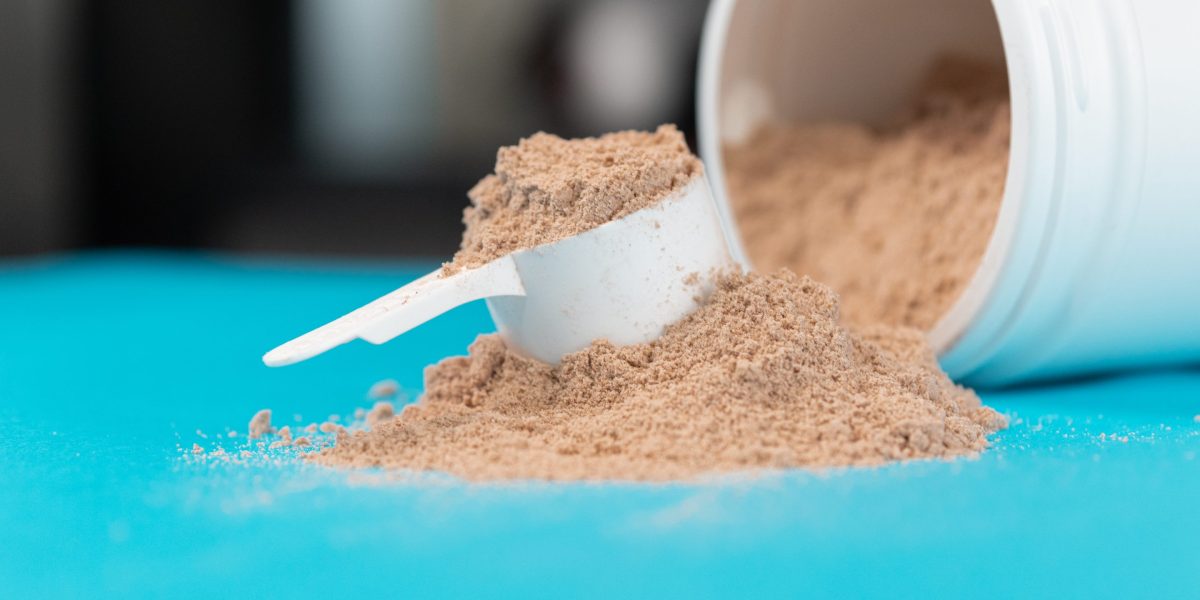
Whey protein ingredients are trading at record levels as food and supplement companies race to meet demand for added protein, the Associated Press reported. The squeeze is already showing up in consumer prices for protein powders and protein-enriched foods.
Whey protein concentrate, a powdered byproduct of cheese production, has long been used in shakes and smoothies by athletes and older adults trying to build or preserve muscle, according to the AP. Food companies now use it in a wider range of products, including cereals, Pop-Tarts, potato chips, bagels, tortillas and Starbucks drinks.
NielsenIQ said the average U.S. supermarket carries 38,708 products that promote their protein content. Kathleen Wolfley, vice president of Ever.Ag Insights, told the AP that demand is outstripping available supply for now.
Commodity prices have surged
Ever.Ag said U.S. wholesale prices for whey protein began rising in 2024 and climbed faster last year and this year. Whey protein concentrate with 80% protein, a common ingredient for food makers and supplement companies, is trading above $13 a pound on the U.S. dairy commodities market, up 250% from a year earlier, according to Ever.Ag.
Ever.Ag said whey protein isolate, a more refined ingredient with at least 90% protein, costs 150% more than it did a year ago. Datasembly, a price-tracking company, said U.S. consumer prices for whey protein concentrate powder are up about 15% over the past year, while premium whey isolate powder has risen more sharply.
The strain is not limited to the United States. DCA Market Intelligence, a Netherlands-based commodity pricing firm, said 80% whey protein concentrate in Europe reached an average of 26,450 euros, or $30,518, per metric ton in late May, more than double its level less than a year earlier.
Cheese demand helped build the whey supply
The U.S. Department of Agriculture says milk contains casein and whey proteins. In cheese-making, casein forms curds and liquid whey is separated and dried into powder; the USDA says each pound of cheese produces nine pounds of whey.
AP reported that U.S. milk consumption has declined for decades as Americans shifted toward other drinks, while demand for cheese stayed strong. That left the U.S. with large amounts of whey protein, some of which had been shipped to China and other markets.
More of that supply is now staying in the United States to serve the market for high-protein foods and supplements. Vesper, an Amsterdam-based company that tracks commodity prices, said U.S. exports to China of 80% whey protein concentrate and whey protein isolate fell 47% from January through April compared with the same period a year earlier.
Jasper Endlich, a Vesper dairy analyst, told the AP that exporters have held back product where possible because U.S. buyers do not have enough supply. He said China has turned to Europe for more whey protein, adding pressure there as well.
Weight-loss drugs add to demand
Wolfley told the AP that GLP-1 weight-loss drugs are one factor behind the stronger market. Drugs such as Wegovy and Zepbound reduce appetite, and users are often advised to get enough protein to feel full and help retain muscle while losing weight, according to the AP.
Morgan Stanley estimated that last year about 6% of obese and diabetic patients in the U.S. and 2% worldwide were using GLP-1 drugs. The AP reported that some estimates put GLP-1 use as high as 12% of U.S. adults because not all users are obese or diabetic.
Companies are adding protein to products aimed at those consumers and at shoppers who use protein shakes as meal replacements, according to the AP.
New capacity will take time
Now Foods, an Illinois-based maker of supplements and health foods, told the AP that whey protein powder tubs are its top seller in sports nutrition. The company raised prices on its whey products earlier this year after paying higher ingredient costs for two years, and sports brand manager Bryan Morin said it does not expect another whey powder price increase this year.
Ever.Ag’s Wolfley said new manufacturing investment should eventually add supply. Glanbia said in November it planned to expand whey protein isolate production in New Mexico, but that capacity is not expected until 2027, and Agropur said in February it planned to increase whey protein manufacturing at plants in Quebec, Nova Scotia, South Dakota and Wisconsin.
Wolfley told the AP that high retail prices could curb demand from some consumers, which may ease wholesale shortages. She said any improvement in the supply-demand balance may take time.
This story draws on original reporting from Fortune.