
Tokenized SpaceX IPO shares leave some retail buyers empty-handed
Some customers who bought tokenized SpaceX IPO exposure through crypto exchanges received reduced allocations or none after demand overwhelmed supply.
By Daniel Okafor · Business Editor
3 min read
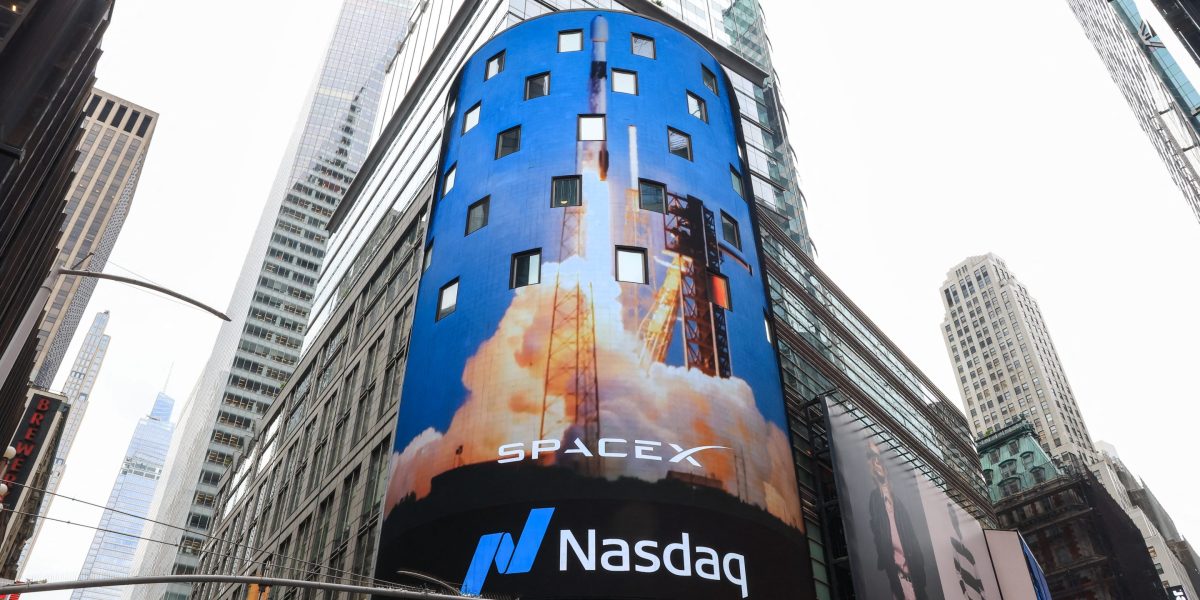
Some retail investors who bought tokenized exposure to SpaceX’s IPO received few shares or none after the company’s record listing, Fortune reported. The shortfall matters because tokenized stocks are being marketed as a way to widen access to high-demand offerings, but this case showed how much that access still depends on scarce share allocations.
SpaceX raised $75 billion in its Friday initial public offering, according to Fortune. Fortune reported that the total was about three times the amount Saudi Aramco raised in its 2019 IPO and nearly five times Meta’s public-market debut.
Crypto exchanges including Bybit and Binance had sold tokenized versions of SpaceX shares before the listing, Fortune reported. Those products were meant to give customers exposure to the IPO through arrangements tied to xStocks, a Kraken-owned platform.
Fortune reported that the exchanges expected access to pre-IPO shares through xStocks. After the offering, however, the available retail allocation was smaller than some market participants had expected, leaving xStocks behind other buyers in the queue, according to Fortune.
Allocations fell short
Some customers who bought tokenized SpaceX shares received smaller allocations, while others received no shares, Fortune reported. CryptoSlate reported that many buyers said they received 4.3 shares of SPCX or nothing.
Fortune reported that customers who did not receive shares were refunded. In many cases, exchanges also provided an additional benefit or compensation, according to Fortune, though the publication did not detail a single standard remedy across platforms.
The problem was not limited to crypto-linked buyers, Fortune reported. CNBC reported that some retail investors using traditional brokerage platforms also did not receive IPO allocations.
Fortune framed the episode as an allocation problem rather than a failure specific to crypto. In IPOs, underwriters typically receive the bulk of shares at the offering price and distribute them largely to institutional clients, Fortune reported.
Retail access to IPO shares has expanded in recent years, with companies such as Robinhood pushing for broader participation, according to Fortune. Even so, Fortune reported that newer players such as Kraken and Binance may have less influence when competing for slices of retail allocations, particularly when their tokenized products target investors outside the United States.
Tokenized stocks remain in focus
Tokenized stocks have continued to attract attention from crypto firms and traditional finance companies. Fortune cited Wall Street Journal reporting that Citigroup is working on tokenized shares of private companies.
Fortune reported that companies offering tokenized shares could improve their ability to secure allocations in future IPOs as the products gain wider use. For SpaceX buyers, the immediate result was a reminder that a tokenized claim on IPO access still depends on whether the provider can obtain the underlying shares.
This story draws on original reporting from Fortune.