
Health device leaders say wearables need to do more than collect data
Health executives at Fortune’s Brainstorm Tech said consumer devices can identify problems, but behavior change, clinician use and access remain weak links.
By Daniel Okafor · Business Editor
3 min read
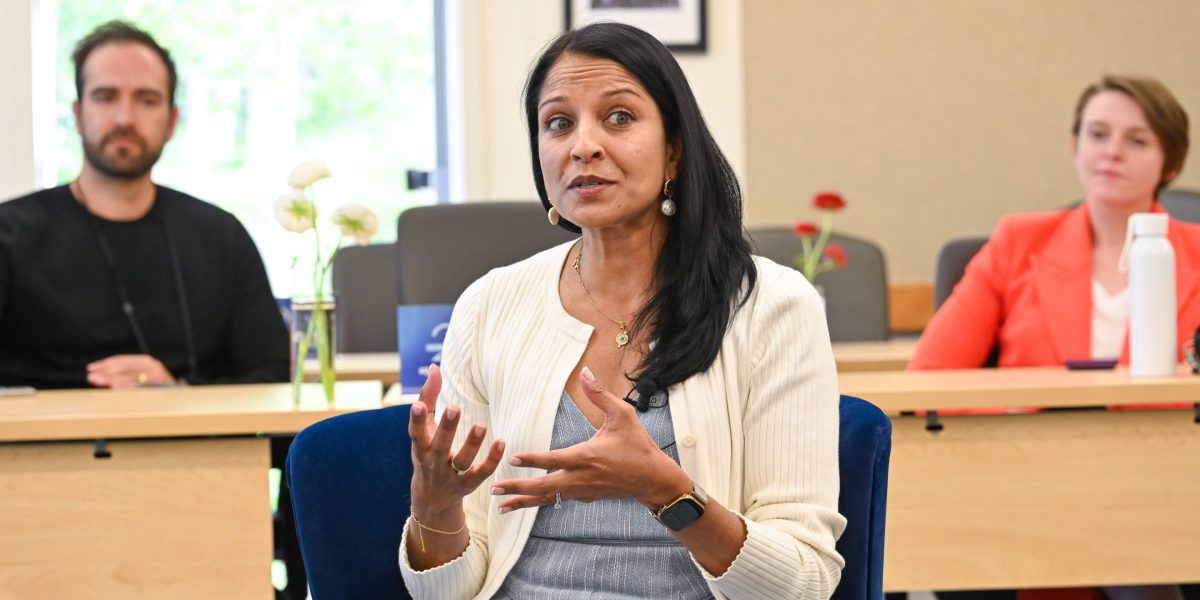
Wearable health devices are giving consumers more personal data than they have had before, but industry executives say the numbers often fail to change daily habits. At Fortune’s Brainstorm Tech conference in Aspen this month, leaders from health technology companies said the next test is turning readings into specific actions for patients and clinicians.
Patrick Sheehan, vice president of value-based care at Withings, said devices that track health metrics now function as a form of accountability for users. He said they can point out problems, but they do not solve them without a connected intervention or plan.
Sheehan said the market remains too focused on identifying issues rather than resolving them. In his view, adding another sensor is less useful than pairing device data with steps that address a user’s condition or behavior.
Ann Crady Weiss, CEO and co-founder of Hatch, described a similar gap in sleep technology. Hatch makes bedside devices for adults and babies, and Crady Weiss said health data has limited value unless it helps people act on it.
Crady Weiss said the challenge is partly about habit formation. She said Hatch competes for people’s bedtime attention with Netflix and TikTok, and argued that sleep tools have to make self-care something users want to do.
Nele Jessel, chief medical officer at athenahealth, said data has to become knowledge before it can support better health decisions. She said many consumer tools stall when users understand a problem but still lack a practical way to change their behavior.
Lisa Shah, chief medical officer of Twin Health, said the industry often misreads patients’ motivation. Shah said her work has challenged the assumption that patients do not care about their health; she said many people instead lack guidance that fits their lives.
Shah pointed to shift workers as an example, saying a sleep recommendation built around a 9 p.m. bedtime does not help someone starting work at that hour. She said advice should be personal, written at about a sixth-grade reading level and focused on small changes a person can maintain.
Sheehan said clinicians also need to change how they use device data. He said doctors and other providers should use readings to screen earlier, diagnose sooner and adjust treatments, rather than allowing data to accumulate without action.
Jessel said doctors can become a bottleneck because they may be wary of receiving information they cannot act on. That concern, she said, limits how useful streams of consumer health data can be in clinical care.
Othman Laraki, co-founder of Color Health, said continuous glucose monitors can encourage behavior by giving users feedback tied to choices. He said the devices create a reward system, including nudges that may push someone to sleep earlier or avoid foods that raise glucose levels.
Jen Shepherd, who runs Uber Health, said access to care remains a larger barrier for many people than a lack of health insights. She said affordability, transportation and food access can keep patients from acting on health information, and said one in five patients delay or miss appointments.
Heidi Davis, founder of Peri, said women also face a data gap in health care. Davis said the system was designed around men, and said 70% of women who ask for help receive none and are sent home; for those patients, she said, personal data can help them advocate for care.
This story draws on original reporting from Fortune.