
Heat strains data center buildout as climate risks mount
Grid warnings, nuclear shutdowns and insurance losses are putting new pressure on the data center boom behind AI growth.
By Maya Lindqvist · Senior Technology Correspondent
3 min read
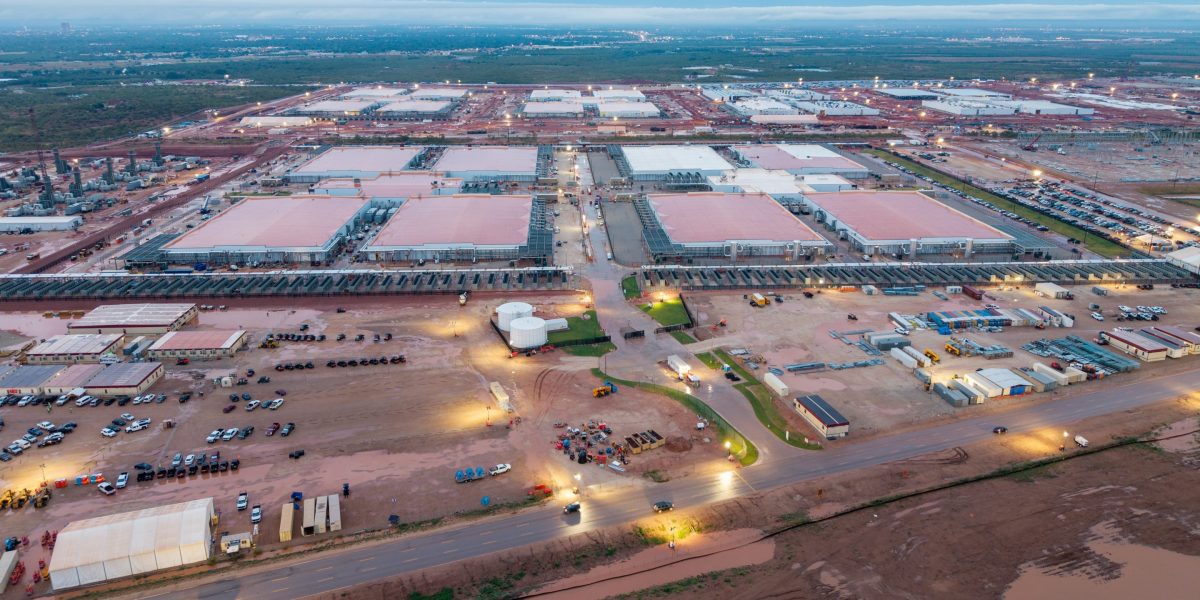
Heat and severe weather are putting new pressure on data centers just as AI demand drives a rapid buildout of computing capacity. Recent grid warnings, power-plant shutdowns and insurer losses show that climate risk is becoming an operating and financing issue for the sector.
In May, the PJM Interconnection, which runs the power grid across a region that includes data center-heavy northern Virginia, received emergency approval from the U.S. Energy Department to limit electricity service to data centers and other large customers because of “atypically hot mid-May weather conditions,” according to the department order.
In France, temperatures reaching 44.3C forced nuclear plants to shut down, according to MIT Technology Review. Those facilities are part of the energy base President Emmanuel Macron has described as central to France’s AI plans.
Zurich Insurance said severe weather is now the top cause of losses in its U.S. data center risk portfolio, CNBC reported Monday. The disclosure adds an insurance-cost signal to a set of physical risks already flagged by researchers and grid operators.
Fast growth meets climate exposure
Data center spending has accelerated sharply. BloombergNEF said the largest companies operating data centers have committed at least $750 billion to the sector so far in 2026, up from $450 billion last year. Moody’s has forecast more than $3 trillion in capital investment over the next five years.
A report released this month by climate analytics firm First Street found that 79% of global data center capacity faces high risk from climate and weather hazards, including heat waves and flash floods. First Street said those risks can interrupt operations, extend outages and push insurance costs higher.
The U.S. carries a sharper risk profile because it has several of the world’s largest and fastest-growing data center markets, according to First Street. The firm ranked the Carolinas and Virginia fifth and sixth, respectively, for climate risk among 97 global data center markets it reviewed.
Water risk is also emerging around planned projects. The Guardian reported that 517 of 809 planned U.S. data centers are in areas that had drought warnings during the past year.
Power and cooling pressures
Texas shows the trade-offs facing developers. The Texas Tribune reported that the state has at least 248 planned data center projects, while the state’s low-cost land and lower-density areas have drawn interest from operators. Fortune reported that floods last year forced some sites onto backup diesel generators and made it harder for repair crews to reach facilities.
Heat and drought create a different problem. Data centers rely on cooling systems to keep servers from overheating, and higher temperatures can make that equipment wear out faster, according to Fortune. Facilities operating in hot, dry conditions can also face higher energy and water costs because they need more of both to keep systems cool.
The risk extends beyond the buildings themselves. Rest of World reported that nearly 7,000 of 8,808 operating data centers worldwide late last year were in places where typical temperatures fall outside the preferred operating range for servers.
Grid constraints are adding another layer of concern. Texas Gov. Greg Abbott has asked the state’s independent grid operator to set operating limits for data centers seeking power service, citing affordability concerns, NPR reported.
Researchers at the World Economic Forum estimated last year that extreme weather could impose $3.3 trillion in costs on data centers by 2055. They found that climate-related costs, driven mainly by heat, could equal nearly 10% of total data center asset value.
This story draws on original reporting from Fortune.