
Warsh faces first rate meeting as Fed chair under market scrutiny
The new Fed chair’s first FOMC meeting will test his rate-cut leanings and plans to alter central bank communications.
By Hana Yoshida · Markets Reporter
3 min read
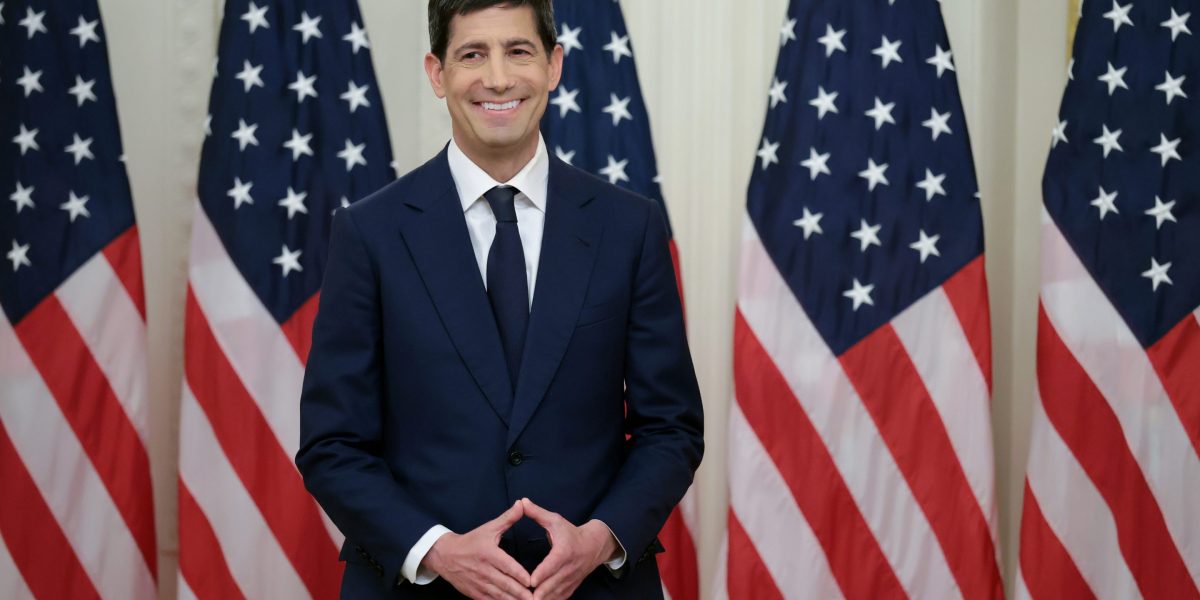
Kevin Warsh is leading his first Federal Open Market Committee meeting as Federal Reserve chair, giving markets their first real look at how he may run the central bank, Fortune reported. The meeting, which began Tuesday and ends Wednesday with a press conference, matters because investors are looking for signs on both interest rates and Warsh’s promised “regime change” at the Fed.
According to Fortune, Warsh kept a low profile before taking over from Jerome Powell, avoiding public appearances, Fed staff and detailed answers during confirmation hearings. He has now been in the job for several weeks after arriving for his White House swearing-in on May 22, Fortune reported.
Warsh is expected to face questions Wednesday about how far he intends to change the Fed’s policy framework and communication habits, according to Fortune. He has previously suggested he wants to reduce parts of forward guidance so the central bank is not seen as locked into a preset path.
Rate-cut expectations meet hawkish resistance
Wall Street broadly expects Warsh to favor rate cuts, Fortune reported, citing President Donald Trump’s statement that he would not nominate someone for the Fed chair role unless that person supported cutting rates. Warsh, a former Morgan Stanley executive director and former Fed governor under Ben Bernanke from 2006 to 2011, has said he made no promises to the White House or anyone else about monetary policy, according to Fortune.
Fortune reported that Warsh’s views appear more dovish than Powell’s, shaped partly by optimism about artificial intelligence, tighter conditions at the long end of the yield curve and a shrinking Fed balance sheet. Powell had taken a more cautious stance on AI’s effect on the labor market and a wait-and-see approach to policy, according to Fortune.
Bank of America U.S. economist Aditya Bhave told clients that hawkish policymakers would be “on the offensive” at this week’s meeting, Fortune reported. Bhave wrote that his base case was for three officials — Beth Hammack, Lorie Logan and Jeff Schmid — to project 25 to 50 basis points of rate increases in 2026, while Neel Kashkari, Alberto Musalem and Austan Goolsbee could also show hikes in their projections.
The dot plot, which records each Fed policymaker’s rate outlook, may become an early flashpoint. Fortune reported that Warsh has criticized the tool, and Goldman Sachs economist David Mericle wrote this week that he assumes Warsh will not submit dots.
Questions over a Fed overhaul
Warsh has spent years criticizing the institution he now leads, Fortune reported. He has argued that repeated Fed purchases of government debt have expanded the balance sheet and distorted markets, and he said in April 2025 at an International Monetary Fund conference that the Fed should become more comfortable working without public attention.
On the Hoover Institution’s Uncommon Knowledge podcast, Warsh described that IMF speech as a “love letter” to the Fed rather than only a critique, saying the institution remained important and could produce benefits for the country if it reformed itself, according to Fortune.
Analysts do not expect a sudden overhaul. Deutsche Bank’s Jim Reid wrote to clients that the leadership change creates unusually high uncertainty around policy signaling and communication style, while an immediate policy shift is unlikely, Fortune reported.
Reid said the meeting will be watched for early clues about how Warsh plans to reshape the Fed’s framework, especially given his stated goal of broader regime change, according to Fortune. For now, markets are likely to parse both the committee’s rate projections and Warsh’s answers for signs of how much the central bank may change under its new chair.
This story draws on original reporting from Fortune.