
Warsh’s first Fed meeting puts rate uncertainty back in focus
The Fed held rates steady as Kevin Warsh signaled less guidance, with a rare split underscoring uncertainty over future cuts.
By Sofia Marchetti · World Affairs Correspondent
3 min read
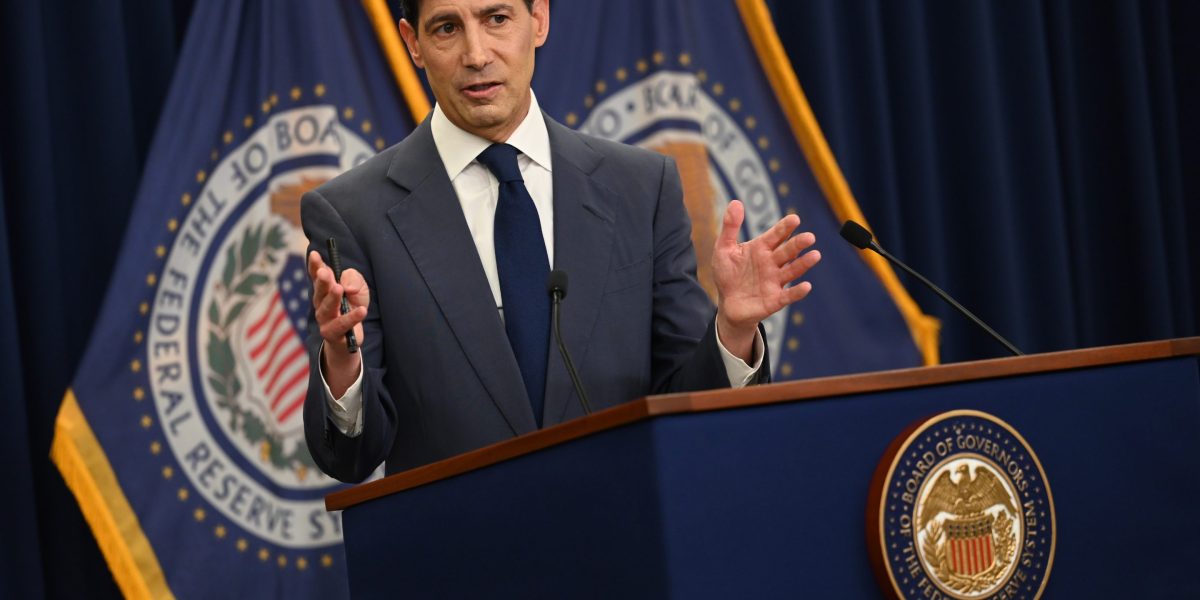
The Federal Reserve kept its benchmark interest rate unchanged at Kevin Warsh’s first meeting as chair, Fortune reported. For executives planning borrowing, deals or investment, the larger signal was that the central bank may offer less advance direction than it did under Jerome Powell.
Fortune’s Diane Brady wrote in CEO Daily that questions about the Fed were high on the list for business leaders gathered in Detroit ahead of the Fortune 500 Innovation Forum planned for Nov. 16 and 17. She said companies are weighing monetary policy alongside tariffs, energy costs, geopolitical tensions and artificial intelligence.
A split vote points to less clarity
Warsh has not yet established whether he will govern as a dove or a hawk, Brady wrote. Jon Hilsenrath, a longtime Fed watcher cited by Fortune, characterized Warsh’s first outing as hawkish.
Fortune reported that Warsh indicated he would be less inclined than Powell to signal the Fed’s next moves. That could leave companies with less visibility into the path of rates when they price debt, plan acquisitions or set capital budgets.
The Federal Open Market Committee also showed an unusually wide divide, according to Fortune. Four of the 12 votes dissented, the highest number since 1992.
Fortune reported that three regional Fed presidents — Beth Hammack, Neel Kashkari and Lorie Logan — opposed the committee statement because they objected to wording that pointed toward possible rate cuts. Fed Governor Stephen Miran dissented for the opposite reason, arguing that rates should be reduced.
Borrowing costs remain a concern
Brady wrote that companies should not assume borrowing costs will fall soon. Fortune noted that the 10-year Treasury yield was above 4.4%, while the Consumer Price Index reached 4.2% in May.
Energy prices could pull in different directions, according to Fortune. Oil and gas costs may ease if the Iran peace deal holds and the Strait of Hormuz opens, a development Brady said could reduce inflation pressure and give the Fed more room to act.
Electricity costs may move higher, Fortune reported, because of demand tied to AI and the condition of the power grid. That leaves businesses facing a mixed cost picture even if some fuel prices soften.
Brady’s takeaway for leaders was direct: companies carrying heavy debt, weighing an acquisition, or planning to buy a home or other asset should not base decisions on an expected rate cut. The Fed’s stance remains a key variable, but Fortune said it will not by itself decide which companies or cities succeed in the next phase of innovation.
Detroit frames the economic debate
Brady wrote from Detroit, which Fortune described as the center of the global auto industry and a growing hub for robotics, logistics, aerospace manufacturing, clean energy and startups. She said the city’s reinvention makes it a useful place to discuss the broader U.S. economy.
Fortune also noted that CEO Daily would not publish on Juneteenth, the federal holiday marking June 19, 1865, when Union troops arrived in Galveston, Texas, to announce the end of slavery.
This story draws on original reporting from Fortune.