
Vivani tests semaglutide implant as weight-loss maintenance tool
The device could offer longer-lasting GLP-1 dosing, but doctors told CNBC it still needs human data and regulatory clearance.
By Sofia Marchetti · World Affairs Correspondent
3 min read
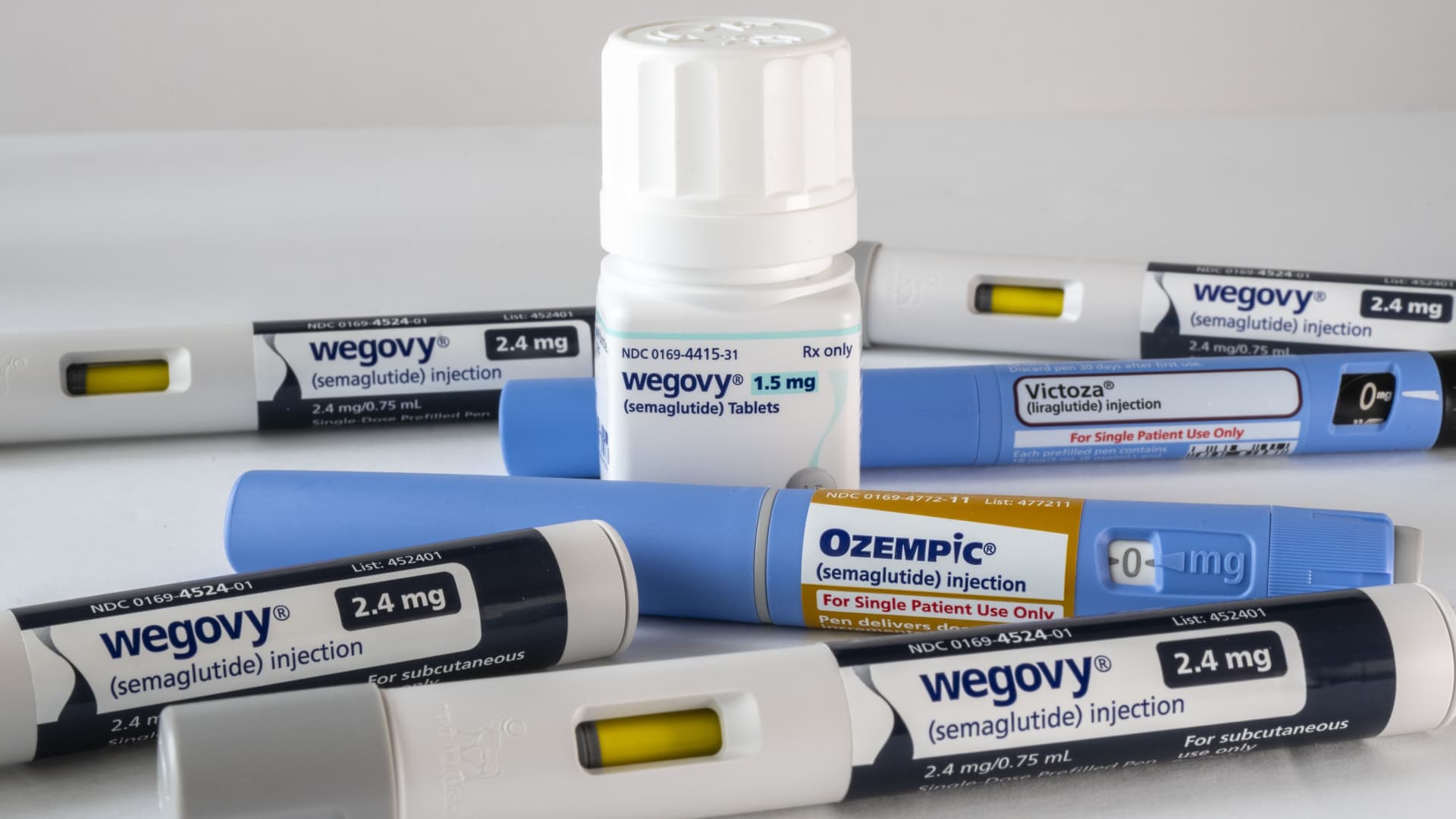
Vivani Medical is developing a small semaglutide implant meant to help people keep using GLP-1 treatment after losing weight, CNBC reported. The idea targets a persistent problem for obesity drugs: many patients stop treatment and may regain weight.
The biotech company’s lead product, NPM-139, is an experimental implant containing semaglutide, the active ingredient in Novo Nordisk’s Wegovy and Ozempic. Novo Nordisk and Vivani have announced an agreement to evaluate the implant, CNBC reported, though Vivani CEO Adam Mendelsohn said the arrangement is not a licensing deal.
Vivani sees the implant first as a maintenance option, according to CNBC. Under that plan, patients would begin treatment with existing injections or pills, reach an appropriate dose, and then switch to an implant for longer-term use.
CNBC cited studies estimating that roughly half or more of GLP-1 patients stop the medicines within a year. Reported reasons include side effects, costs, fatigue with injections and stigma tied to obesity treatment.
How the implant would work
Vivani’s device is a small titanium reservoir placed under the skin and filled with semaglutide, according to CNBC. Mendelsohn told CNBC that a membrane at one end contains microscopic channels designed to let the drug leave the implant slowly over several months.
The company says the device has no pumps or moving parts. Mendelsohn said Vivani aims to create implants with different dose levels, so doctors could match an implant to a patient’s existing semaglutide dose.
The current version is designed to be removed and replaced every six months, CNBC reported. Vivani ultimately hopes to develop a version that lasts a year, and Mendelsohn said the procedure could take a few minutes in a doctor’s office using local anesthesia.
Vivani argues steadier drug release could reduce swings in semaglutide levels and may improve tolerability, including nausea and vomiting. CNBC noted that this has not yet been proven in clinical studies.
Doctors see potential and unanswered questions
Several physicians told CNBC the concept may help some patients remain on therapy, especially those tired of injections or those who struggle to remember pills. Dr. Amy Sheer, an assistant professor of medicine at the University of Florida, told CNBC the device could appeal to many people if it works as intended.
Other doctors were more cautious. Dr. Miranda Stiewig-Rapp, director of UC Davis Health’s Obesity Clinic, told CNBC she wants evidence that the implant delivers results and that patients can remain on it over time.
Doctors also raised practical concerns, according to CNBC. Some patients may dislike having an implant under the skin, and patients who receive GLP-1 prescriptions through telehealth services would still need an in-person procedure.
Dr. Amy Rothberg, a clinical professor of medicine at the University of Michigan, told CNBC the approach could require training for obesity medicine providers who do not usually insert implants. She also said added procedures, replacement visits and implant-related costs could burden patients, insurers and health systems.
Vivani has not set a possible price, CNBC reported. Mendelsohn told CNBC he expects the implant could cost less than injections because patients may need one or two implants a year instead of weekly pens, but insurance coverage remains uncertain.
Human testing is next
Vivani said in June that an Australian human research ethics committee approved the first human trial of the semaglutide implant, CNBC reported. The phase one study, called SLIM-1, is expected to begin in mid-2026 and enroll about 20 overweight or obese adults who have not used GLP-1 drugs before.
Participants will receive either the implant or a low-dose weekly Wegovy injection for four weeks, according to CNBC. Researchers will focus on safety, tolerability and how the drug moves through the body, while also measuring weight loss.
If the early trial is positive, Vivani plans a phase two study testing multiple implant doses, CNBC reported. Larger studies and regulatory approval would still be needed before the device could reach patients.
This story draws on original reporting from CNBC.