
U.S. touts guarded oil route through Hormuz as Iran presses rival lane
Washington says protected tanker traffic is rising through the Strait of Hormuz, even as Iran demands tolls on a competing route.
By Daniel Okafor · Business Editor
3 min read
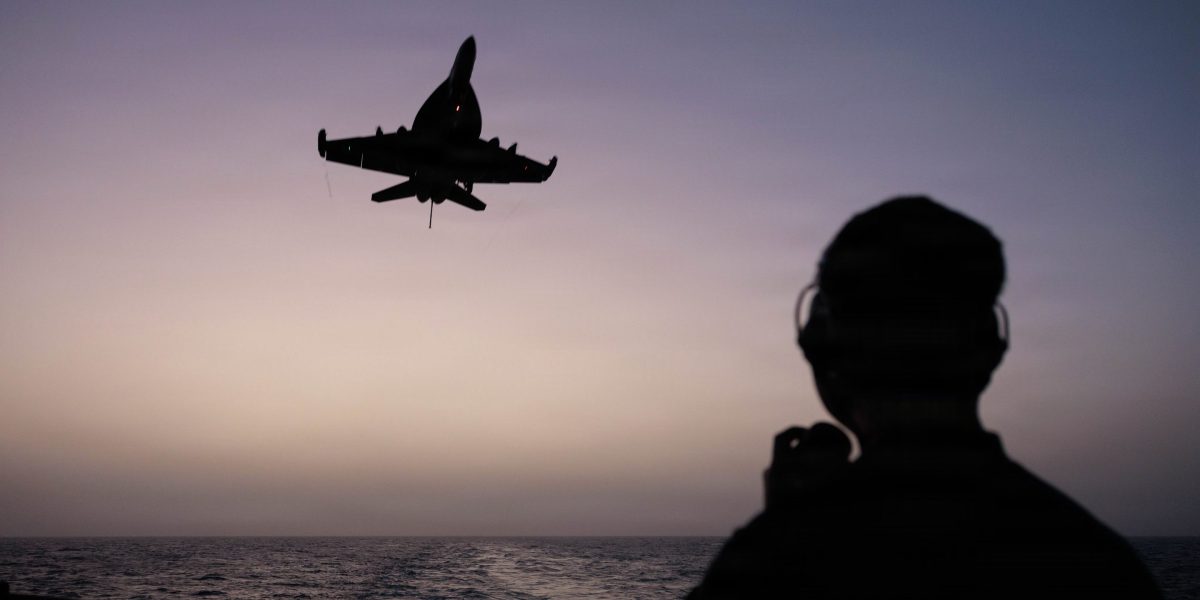
The United States is publicly highlighting a protected route for tankers through the Strait of Hormuz after Iran showed it could choke off the waterway, Fortune reported. The effort matters for oil markets because even limited traffic through the strait can slow the drawdown of inventories while Washington and Tehran remain locked in a military and diplomatic contest.
Fortune reported that U.S. officials began saying late last month that more ships were moving through the strait with American help along a route near Oman’s coast. Later reports described a stronger U.S. role, with naval protection for vessels facing the risk of Iranian attacks.
The revived traffic remains far below prewar levels, according to Fortune. Still, the outlet reported that the increase has given oil markets some relief before stockpiles reach more dangerous levels and has given U.S. negotiators more room in talks with Iran.
U.S. officials promote the route
Energy Secretary Chris Wright told Congress on Tuesday that traffic through the strait was increasing “very meaningfully” as part of a military operation that had not been openly disclosed, Fortune reported.
President Donald Trump said Wednesday that a “secret mission” had moved more than 100 million barrels of oil into the market, according to Fortune. Trump said that amount equaled roughly five days of shipments before the war began.
U.S. Central Command said Thursday on X that the Strait of Hormuz was open to transit, pointing to safe-passage routes, hundreds of completed crossings and forces positioned to defend ships from attack. “Iran does not control the Strait of Hormuz,” CENTCOM said, according to Fortune.
Interior Secretary Doug Burgum said Friday that more than 20 ships leave the Persian Gulf on some nights under cover of darkness with U.S. military help, Fortune reported. Defense Secretary Pete Hegseth told CBS News on Sunday that the U.S. naval blockage around Iran was “impenetrable” and that 125 million barrels of oil had left the Gulf, which he said showed the United States controls the strait.
Competing lanes keep conflict active
Iran has created its own channel through the strait along its coast, Fortune reported. Tehran is demanding tolls from vessels that use that passage and attacking ships that try to avoid it, according to the report.
Fortune reported that U.S. forces and Iran’s Islamic Revolutionary Guard Corps continue to trade fire as both sides maintain separate lanes. U.S. aircraft have struck Iranian missile sites and destroyed fast-attack boats, while the IRGC has launched drones at commercial vessels and downed an Apache attack helicopter, forcing its crew to be rescued from the water, according to Fortune.
Tankers protected by the U.S. military are moving from the Persian Gulf into the Gulf of Oman, where they transfer oil from ship to ship, Fortune reported. The outlet noted that the method resembles transfers used by Iranian and Russian shadow fleets to avoid Western sanctions.
Kuwait has benefited because it lacks a major oil export route other than Hormuz, Fortune reported. The country has begun reducing inventories that built up during the closure and on Tuesday started offering crude to Asian refiners for the first time since the war began, according to the report.
The United Arab Emirates, which has used a pipeline to move some oil around the strait, is also selling supplies from inside the Persian Gulf to Asian customers, Fortune reported. Kuwait’s shipments are more exposed because tankers must travel from deep inside the Gulf along much of Iran’s coast before reaching the strait.
This story draws on original reporting from Fortune.