
U.S.-Iran escalation puts energy, inflation and cyber risk back on CEOs’ desks
Fortune says business leaders face renewed pressure from oil prices, consumer anger, inflation and Iranian cyber threats after weekend strikes.
By Daniel Okafor · Business Editor
3 min read
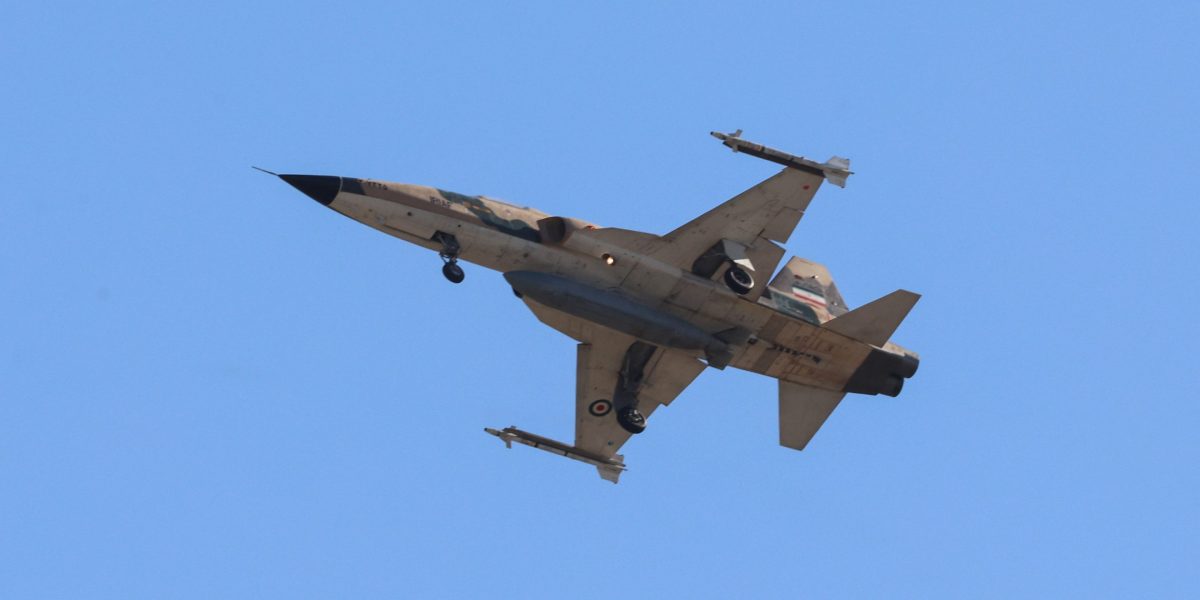
The U.S.-Iran conflict intensified over the weekend, pushing geopolitical risk back into corporate planning as crude prices reacted, according to Fortune. For executives, the renewed fighting threatens to raise costs, unsettle customers and increase cyber risk at the same time companies are already dealing with tariffs and inflation.
Fortune’s Diane Brady wrote in CEO Daily that leaders should watch energy markets first. Global oil demand has weakened, largely because of China and other Asian countries, Fortune reported, while U.S. consumption has risen even with gasoline prices about 50% above levels before the Iran war.
Shipping is another pressure point. Fortune reported that some routes through the Strait of Hormuz remain open, but said few vessels are likely to use them for now. Energy analysts told Fortune’s Jordan Blum that, with nearly 1 billion barrels of global petroleum reserves depleted and President Donald Trump saying the peace deal is over, prices are likely to settle nearer $90 a barrel and could reach $200.
The cost pressure is not limited to oil producers or transport-heavy companies. Fortune said Americans often link gasoline prices with wider energy costs, including electricity, natural gas and renewables, which can shape public opinion and policy debates.
Data centers are also part of that debate, according to Fortune, which cited their electricity use as one reason for consumer hostility toward AI. Fortune also pointed to an Energy and Policy Institute analysis that found 51 U.S. electric and gas utilities paid their CEOs a combined $626 million last year, up $100 million from 2024, as consumers face higher bills.
Inflation remains a second problem for companies. Fortune said U.S.-Israel attacks on Iran came as business leaders were already adjusting sourcing, supply chains and policies in response to tariffs and retaliatory trade measures.
The Federal Reserve is dissatisfied with the inflation trend, Fortune reported, citing Fed data. Companies have been raising prices in the hope that customers keep buying, while U.S. home prices have reached an all-time high despite falling prices on the West Coast, according to Fortune.
That leaves CEOs under pressure to find savings, including in labor, Fortune said. But the newsletter said AI remains too costly to replace people in most roles, limiting one option executives might otherwise consider as they try to hold down expenses.
Cybersecurity has become a more urgent concern as well. Fortune reported that Iran is threatening revenge against Trump and that the Islamic Revolutionary Guard Corps and other Iran-linked threat actors are targeting U.S. companies, especially in technology and critical infrastructure.
Fortune said business leaders must keep up with government warnings and ensure workers remain current on cybersecurity training. The Cybersecurity and Infrastructure Security Agency maintains advisories on Iranian advanced persistent threats, according to Fortune.
Markets showed signs of strain after the U.S. and Iran exchanged airstrikes, Fortune reported. The newsletter said S&P 500 futures were down 0.31%, Japan’s Nikkei 225 fell 1.92%, South Korea’s KOSPI dropped 8.95%, China’s CSI 300 declined 1.79%, and Bitcoin traded at about $63,000.
Fortune framed the moment as another reset for chief executives, who must account for energy shocks, political scrutiny, inflation, cyber threats and travel concerns without overreacting to fear. The newsletter said travel advisories have eased and much of the Middle East is returning to normal.
This story draws on original reporting from Fortune.