
U.S.-Iran deal could come within 24 hours, Pakistan leader says
Pakistan’s prime minister said an agreement is close as talks address Hormuz shipping, Iran’s nuclear program and sanctions relief.
By Hana Yoshida · Markets Reporter
3 min read
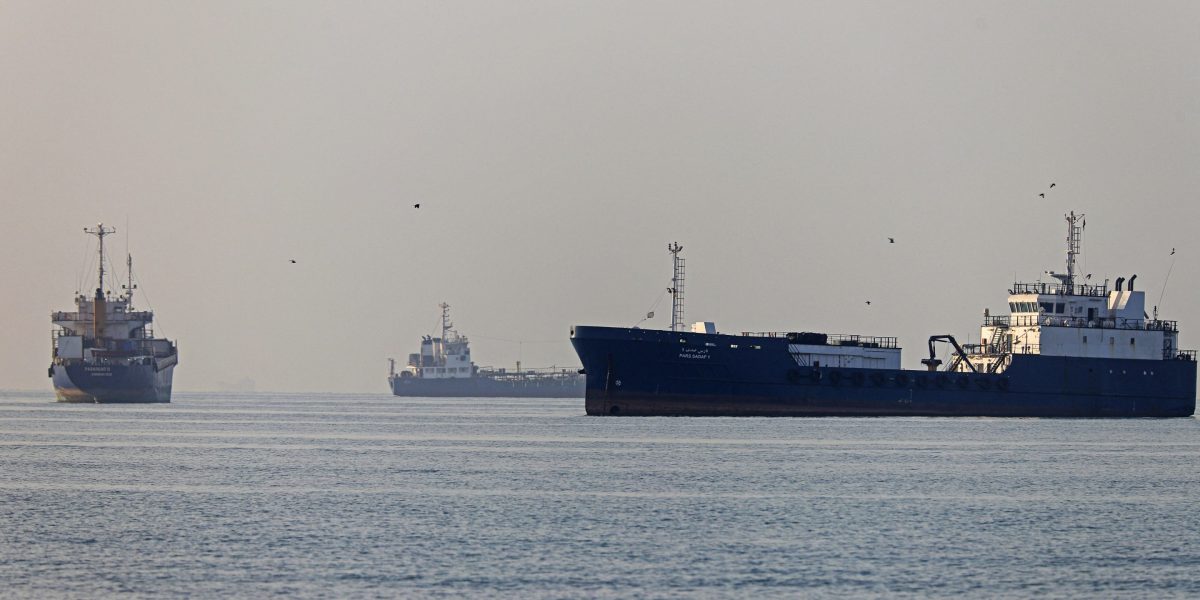
Pakistan's Prime Minister Shehbaz Sharif said Saturday that a U.S.-Iran agreement to end the Middle East war is closer than at any previous point and could be completed within 24 hours. The talks carry global energy stakes because a senior U.S. administration official said the emerging deal includes terms to reopen the Strait of Hormuz, a major route for oil and natural gas shipments.
Sharif said Pakistan is preparing for an electronic signing of the agreement, followed by technical-level discussions next week, according to the Associated Press. AP noted that earlier statements about an imminent breakthrough did not lead to a final deal.
The reported progress follows three days in which Iran exchanged fire with the United States and Israel, AP reported. U.S. Central Command said late Friday on social media that it had intercepted several Iranian attack drones aimed at commercial vessels in the Strait of Hormuz.
AP reported that the war began Feb. 28 with action by the United States and Israel, and that a fragile ceasefire has been in place since April 7. The conflict has shaken the region and sharply curtailed Persian Gulf oil and natural gas traffic, according to AP.
Nuclear terms left for follow-up talks
Iranian Foreign Minister Abbas Araghchi said Friday that the terms covering Iran's nuclear program would be settled during the 60 days after the initial agreement is signed. He said the parties could choose to extend that period, AP reported.
The nuclear issue has been central to the dispute. AP reported that U.S. and Israeli leaders have cited fears that Iran's program could lead to a nuclear weapon, while Tehran says its nuclear work is for peaceful purposes.
A senior U.S. administration official, speaking to reporters anonymously under White House ground rules, said the draft deal would start a process to destroy or remove Iran's highly enriched uranium. The official said the 60-day period would be used to settle technical questions about removing the uranium, but did not say who Washington expects would handle that work.
AP reported that the uranium is believed to be buried under three nuclear sites damaged by U.S. strikes last year.
Hormuz shipping fees remain a point of dispute
The same U.S. official said the agreement under discussion contains provisions to reopen the Strait of Hormuz. Araghchi said Iran wants any deal to permit Tehran to charge ships that pass through the strait “for services rendered.”
During the war, Iran has imposed a toll system in the waterway, AP reported. The United States and other countries say that system violates international law, according to AP.
Shipping disruptions in the Strait of Hormuz have tightened global energy supplies, raised fuel prices and contributed to higher costs for food and other essentials outside the Middle East, AP reported.
Sanctions relief and Lebanon questions
Three regional officials told AP that the emerging agreement is expected to include phased sanctions relief for Iran and the release of frozen Iranian assets. The officials spoke anonymously because of the sensitivity of the negotiations, and said they expected a signing ceremony in the coming days if Washington and Tehran approve the deal.
Iran has maintained that any agreement must also cover a ceasefire in Lebanon, where Israel has been fighting Hezbollah, AP reported. Israeli Defense Minister Israel Katz said Friday that Israel could still act independently toward Iran and would not withdraw from areas it occupies in Lebanon, Syria and Gaza, or from northern refugee camps in the Israeli-occupied West Bank.
AP reported that fighting continued in southern Lebanon on Saturday.
This story draws on original reporting from Fortune.