
U.S. charitable giving topped $600 billion for the first time in 2025
Giving USA reported $617 billion in U.S. donations, with bequests, foundations and education causes outpacing household-style giving.
By Sofia Marchetti · World Affairs Correspondent
3 min read
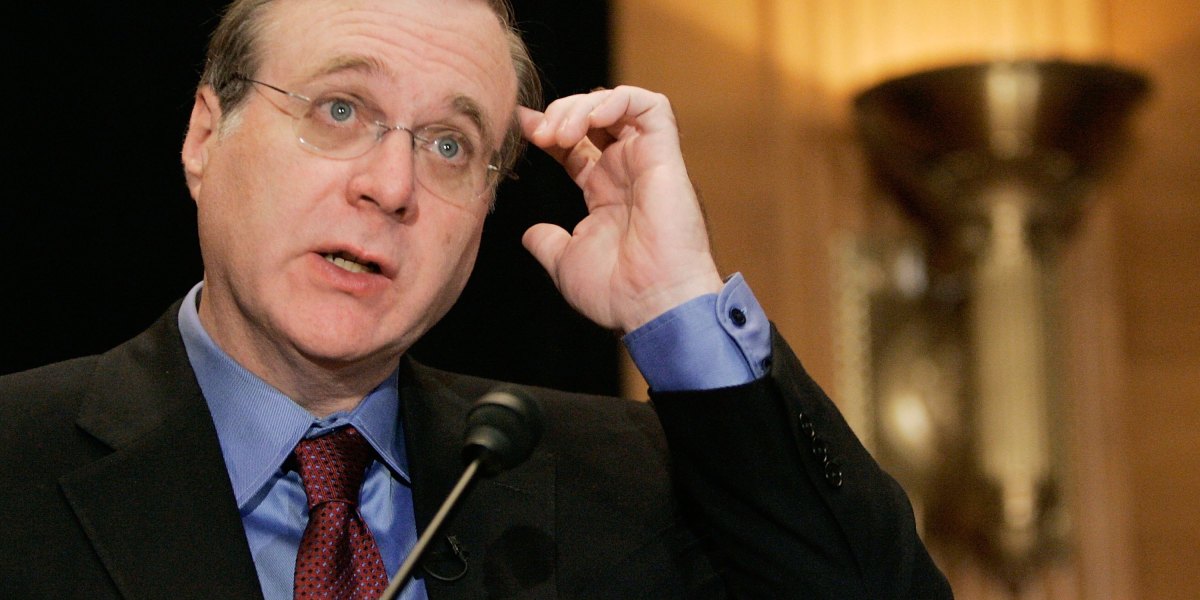
Americans donated $617 billion to charity in 2025, pushing annual giving above $600 billion for the first time, according to the Giving USA Foundation and the Indiana University Lilly Family School of Philanthropy. The report shows philanthropy growing in a way that increasingly reflects the choices of wealthy donors, including large estates and foundations.
The 3% inflation-adjusted increase made 2025 the second-strongest year on record for U.S. giving, behind 2021, when pandemic-era needs lifted donations to social service groups, according to the Giving USA report. Jon Bergdoll, interim director of data and research partnerships at the Lilly Family School of Philanthropy, wrote in The Conversation that the gain exceeded the long-run annual average of 2.7%.
Bergdoll said the broader economy helped, though conditions were mixed. He cited strong stock-market performance and rising personal income, while noting that consumer sentiment was very weak and inflation remained above the Federal Reserve’s 2% target.
Bequests and foundations drove gains
Charitable bequests rose faster than any other giving source in 2025, according to Giving USA. Gifts made through estates increased 16.6% to $62 billion and accounted for about 10% of all U.S. charitable giving, up from 9% a year earlier.
Bergdoll said estate giving can swing sharply from year to year because one large donor can shift national totals. Microsoft co-founder Paul Allen, who died in 2018, ranked among the largest donors of 2025 after his estate made a $3.1 billion bequest, according to data cited by The Conversation from the Chronicle of Philanthropy.
The Giving USA report also found that foundations gave $117 billion in 2025, up 3% and the highest inflation-adjusted total recorded for that category. Foundations supplied about one-fifth of all charitable dollars, and Bergdoll noted that private foundations generally must spend at least 5% of their assets for charitable purposes to maintain tax-exempt status.
Individual giving, still the largest source of donations, grew 1.4%, according to Giving USA. Its share of all giving fell to 64%, the second-lowest level ever recorded in the report. Corporate giving increased 0.5% to $44 billion, a record amount, and represented about 7% of donations.
Education and public-society groups advanced
Giving USA said seven of the nine charitable categories it tracks received more money in 2025. Religious giving slipped 0.2% after inflation, though congregations and religious institutions remained the largest destination with $152 billion, or 23% of all donations.
Gifts to foundations fell 18.3% to $79 billion after a strong 2024, according to the report. Social services groups, including food banks and homeless shelters, received almost $100 billion, up 2.6% and a record for that category.
Education giving rose 8.9% to $92 billion, the fastest increase among the tracked categories, Giving USA said. Public-society benefit organizations, a category that includes advocacy groups, independent research institutions and donor-advised funds, drew $72 billion, up 8.7%.
Several other areas also reached records, according to Giving USA: health-related organizations received $61 billion, arts groups received $27 billion, and environmental and animal-related nonprofits received $25 billion. Bergdoll wrote that categories often favored by wealthier donors — bequests, foundations, education and public-society benefit groups — performed better than gifts more closely tied to average households and religious giving.
Bergdoll also pointed to a policy change taking effect in 2026. A universal charitable deduction included in President Donald Trump’s tax and spending package, passed by Republican lawmakers in July 2025, is expected to give nearly all U.S. taxpayers some reason to donate, which he said should lift the number of people making modest charitable gifts.
This story draws on original reporting from Fortune.