
Forecasters see a smaller US auto market by 2040
Bain says demographics, affordability and new mobility options could cut U.S. auto sales by more than 2 million vehicles by 2040.
By Sofia Marchetti · World Affairs Correspondent
3 min read
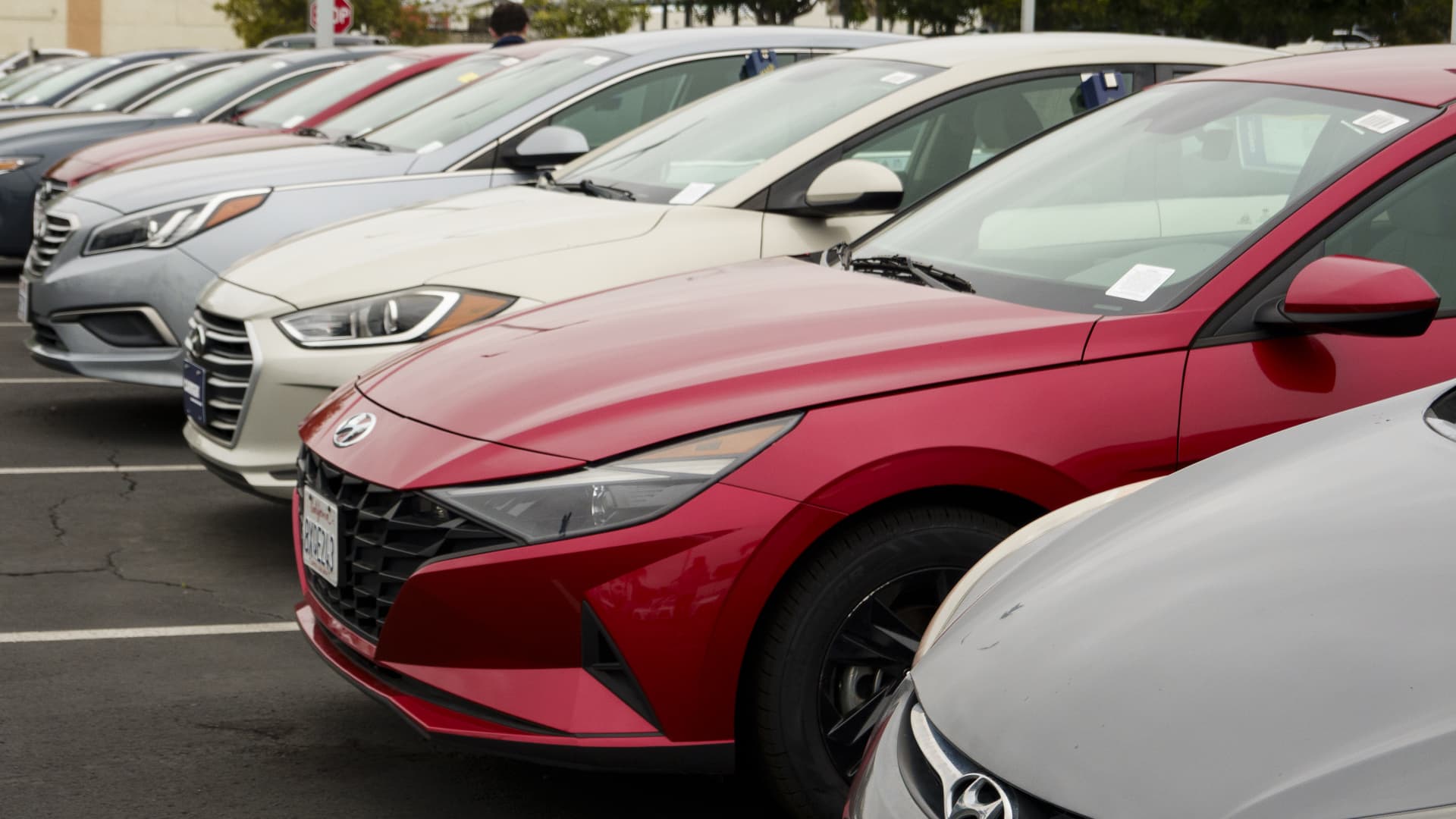
U.S. automakers may be heading toward a smaller market after years of building plans around steady population growth. Bain & Company told CNBC that lower birth rates, tighter immigration, high vehicle costs and alternatives to ownership could reduce annual sales by more than 2 million vehicles by 2040.
The warning comes after the industry’s 2015 peak, when 17.6 million cars, trucks and SUVs were sold in the United States, according to CNBC. Some forecasters now expect the market to remain well below that level, forcing brands to fight harder for fewer buyers.
Mark Gottfredson, a partner at Bain & Company, told CNBC the industry has long benefited from population growth of about 1% a year. He said that assumption is weakening as population growth slows in the U.S. and declines in parts of Europe and Asia.
The Centers for Disease Control put the U.S. fertility rate in 2025 at about 1.6 births per woman, below the 2.1 level generally associated with population replacement. Bain said immigration has helped offset that pressure in the U.S., but the firm expects more restrictive policies over the next 15 years to cut net migration from its 20-year historical level by roughly half.
Younger buyers are pulling back
Bain and other industry analysts told CNBC that behavior is changing alongside demographics. Gottfredson said about half of today’s 16-year-olds lack a driver’s license, compared with nearly 70% of 16-year-olds during the 1966-to-1984 period. Bain’s research still indicates most people obtain licenses by age 25, so the shift may reflect delay rather than a permanent break from driving.
New-vehicle registration data shows a similar tilt away from younger buyers. S&P Global Mobility said people ages 18 to 34 accounted for less than 10% of new registrations by mid-2025, down from 12% in the first quarter of 2021. Buyers 55 and older made up nearly half of new registrations and held the largest share for eight consecutive quarters, according to the firm.
Craig Daitch, founder and president of auto market research firm Telemetry, told CNBC affordability is driving much of the change. He said monthly payments on new vehicles have risen 30% over four years, and close to one in five new vehicles now has a monthly payment above $1,000.
AutoForecast Solutions expects U.S. new-vehicle sales to hover near 16 million through 2033, the last year covered in its forecasts. Sam Fiorani, the firm’s vice president of global vehicle forecasting, told CNBC that more young people are using services such as Uber and Lyft, while fewer can afford a new car even if they like driving.
Longer vehicle lives could weigh on sales
Bain also expects technology and vehicle longevity to affect demand. If robotaxis become broadly available and affordable within 15 years, Bain estimates the licensed share of the population could fall by 2 to 3 percentage points, to 85%, while vehicles per driver could decline from 1.2 to 1.1.
Gottfredson told CNBC he previously expected sales volumes to fall below 14 million by 2030, but revised that view because autonomous vehicles have taken longer than expected to spread. He said the demographic outlook is more certain because the number of people who will reach driving age over the next 16 years is already known.
The rate at which vehicles leave the road is another factor. Bain said deregistration, which includes vehicles scrapped or exported, was about 6% in 2000 and about 5% in 2025. Gottfredson said it could fall to 4.4% by 2040 as vehicles last longer.
S&P Global Mobility said the average vehicle on U.S. roads reached a record 12.8 years in 2025. Fiorani told CNBC that, with buyers paying tens of thousands of dollars for vehicles, the industry must keep them usable for more than a short ownership cycle.
If Bain’s forecast proves right, competition will intensify in a market already crowded with about 450 nameplates, according to CNBC. Gottfredson said the U.S. has too many automakers and brands chasing consumers, and that consolidation will be needed.
This story draws on original reporting from CNBC.